
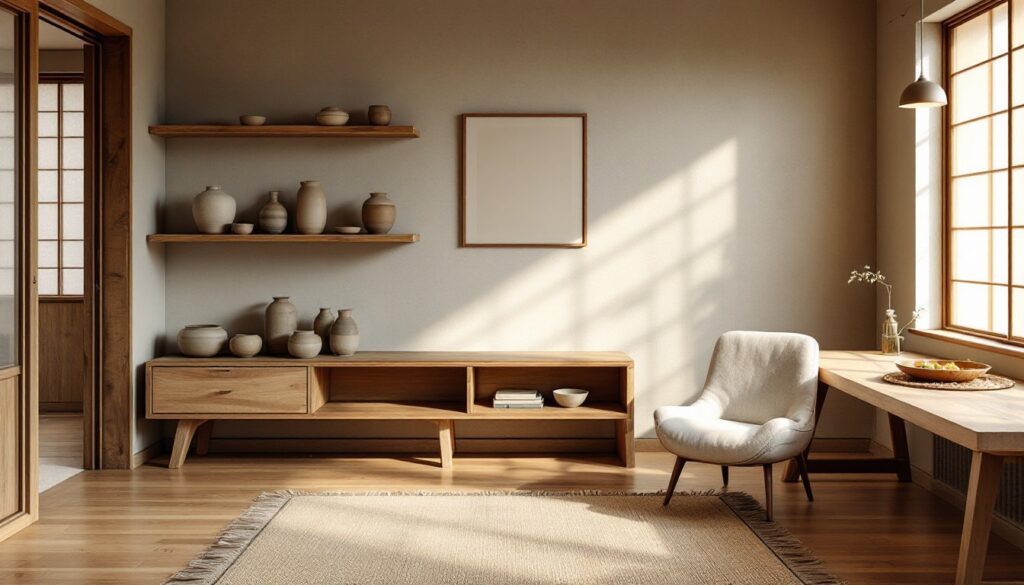
Wabi-sabi is a Japanese aesthetic philosophy centered on finding beauty in imperfection, impermanence, and simplicity. Unlike the sleek, polished interiors that dominate design magazines, wabi-sabi invites homeowners to celebrate worn edges, natural patina, and honest materials. It’s not about neglecting a space, it’s about recognizing that cracks, fading, and asymmetry tell a story and hold genuine appeal. For DIYers and home improvers, wabi-sabi offers a refreshing approach: you don’t need expensive finishes, flawless execution, or trendy decor to create a beautiful, livable home. Instead, you work with what time and use reveal, embrace authentic materials, and let imperfection guide your choices.
Key Takeaways
- Wabi-sabi interior design celebrates imperfection, aging, and natural materials—rejecting the perfectionism of polished, trendy decor in favor of authentic, lived-in spaces.
- Asymmetrical layouts and imperfect finishes (like brushstrokes, uneven glazes, and visible grain) create character and authenticity without requiring flawless execution or expensive materials.
- Ruthless editing and minimalism are core to wabi-sabi interiors; every object should serve a function or hold genuine meaning, with negative space valued as much as furnishings.
- Expose honest materials like raw wood, plaster, stone, and concrete with minimal finishing—these materials age beautifully and cost less than high-gloss or synthetic alternatives.
- Choose natural fiber textiles (linen, wool, cotton) and warm, soft lighting to create restful, intentional spaces that improve over time rather than requiring constant renovation.
- Wabi-sabi design is liberating for DIYers because it embraces visible flaws and aging—cracks, patina, and asymmetry tell your home’s story without demanding museum-quality craftsmanship.
What Is Wabi-Sabi Design?
Wabi-sabi is an ancient Japanese philosophy that finds profound beauty in impermanence, incompleteness, and the natural aging process. Rather than viewing cracks, discoloration, or worn finishes as flaws, wabi-sabi celebrates them as evidence of time and character. In interior design, this translates to spaces that feel authentic and lived-in rather than staged or artificial.
The term itself combines two concepts: wabi (solitude, understated beauty) and sabi (the patina of age, transience). Applied to your home, wabi-sabi design means choosing raw materials, avoiding excessive ornamentation, and allowing imperfections to remain visible. An exposed wooden beam with weathered grain, a ceramic bowl with an uneven glaze, or a plaster wall showing its layers all fit the aesthetic. This approach appeals to homeowners tired of constant renovation and endless shopping, it’s about working with what you have and letting functionality and time do the decorating.
Core Principles of Wabi-Sabi Interiors
Imperfection and Asymmetry
Wabi-sabi embraces the irregular and the incomplete. Instead of matching furniture sets or symmetrical layouts, asymmetrical arrangements feel more natural and dynamic. A single piece of art hung off-center, a bookshelf with uneven shelving heights, or a collection of mismatched ceramics displayed together all embody this principle. In practice, asymmetry means you’re not fighting the quirks of your space, that slightly angled corner or uneven wall becomes part of the design story rather than something to hide.
When tackling projects, don’t obsess over perfect execution. Hand-planed wood will show grain variation: hand-thrown pottery will have organic irregularities. These variations aren’t mistakes, they’re proof of human craft and authenticity. If you’re applying a finish, brushstrokes or subtle color shifts enhance rather than detract from the aesthetic.
Simplicity and Minimalism
Wabi-sabi interiors avoid clutter and unnecessary decoration. This doesn’t mean bare or sterile, it means every object serves a purpose or holds meaning. Negative space (empty walls, open shelves) is as important as the objects occupying it. A room with fewer, well-chosen pieces feels more restful than one packed with decorative items.
For DIY projects, simplicity translates to honest materials and restrained finishes. Unfinished wood, plain plaster, natural linen, and raw concrete all fit naturally. You’re not painting over character or covering imperfections with glossy coatings, you’re letting materials speak for themselves. This approach also keeps renovation budgets manageable: fewer items to buy and install means less expense overall.
Creating a Wabi-Sabi Space: Practical Design Elements
Start by editing your space ruthlessly. Remove items that don’t serve a function or bring genuine joy. This isn’t Marie Kondo minimalism, it’s about clarity and intentionality. What remains should feel necessary and authentic.
Next, expose authentic materials where possible. If you have plaster walls, consider patching only what’s damaged functionally, leaving visible patching compound or leaving cracks visible if they’re stable. Painted drywall can be sanded back in areas to reveal the gypsum underneath, creating an aged effect without artifice. Remove false finishes: strip wallpaper, sand through layers of old paint, expose brick if it’s underneath. Each layer you reveal is part of the home’s honest history.
Lighting should be warm and natural. Wabi-sabi spaces favor soft, diffused light over bright spotlighting. Large windows with simple curtains, paper screens, or no covering at all allow daylight in. For artificial light, use warm-toned 3000K or lower color temperature bulbs and avoid recessed cans in favor of simple fixtures, a single pendant, a table lamp, or wall sconces with minimal hardware.
Furniture selection matters. Choose pieces that show age gracefully: wood with visible joinery, upholstered items in natural fibers (linen, cotton, wool), ceramic or stone tables. Mismatched seating, a wooden bench next to an upholstered chair, different stool heights, feels authentic. Avoid upholstered pieces in synthetic materials or furniture with hidden construction: the beauty lies in seeing how things are made.
Floorings should feel genuine underfoot. Polished concrete, bare wood (or wood with natural wear), stone, or clay tiles all work. If refinishing existing hardwood, a matte finish reveals grain better than polyurethane gloss. Rugs in natural fibers (jute, wool, linen) ground spaces without feeling precious.
Common Materials and Finishes
Wabi-sabi materials share a common thread: authenticity and visible aging. Untreated or lightly sealed wood becomes softer and richer over time. Oak, walnut, and cedar are traditional choices: even construction-grade lumber gains character. Instead of high-gloss polyurethane, consider tung oil (natural, low sheen) or leave wood unsealed to patina naturally. Expect wood to darken and develop color variation, this is desirable, not damage.
Natural clay and ceramic pieces anchor wabi-sabi spaces. Handmade bowls, plates, and vessels in muted earth tones (ochre, tan, rust, charcoal) reflect the aesthetic perfectly. Glossy finishes feel too refined: matte or slightly rough surfaces are more appropriate. Cracks in ceramics can be repaired with traditional kintsugi (gold-filled cracks), turning breaks into focal points.
Raw and finished plaster brings textural depth. Venetian plaster with its troweled finish shows variation and movement. Raw plaster, untinted, simply sealed, feels earthy and alive. Paint color should be muted: off-whites, soft grays, pale greens, and warm browns rather than pure white or bold tones. Lime wash, a traditional finish made from calcium hydroxide, has a chalky, organic appearance that ages beautifully and allows walls to breathe.
Stone and concrete deserve showcasing. Exposed concrete floors or walls (sealed only for protection, not for shine) reveal aggregate and pour marks. Stone, whether marble, slate, or limestone, carries natural veining and variation. These materials require minimal finish: a clear sealer is often sufficient.
Natural fibers fill the textiles category: raw linen, undyed wool, cotton canvas. These materials soften and improve with age. Avoid synthetics: they don’t develop the patina that wabi-sabi celebrates. Neutral colors and visible weave patterns add visual interest without visual noise.
Conclusion
Wabi-sabi interior design challenges the perfectionism that often drives home renovation. By embracing imperfection, choosing honest materials, and editing ruthlessly, you create a space that feels authentic and restful. The beauty lies not in flawless execution but in allowing time, use, and natural processes to shape your home. For DIYers, this philosophy is liberating: you don’t need museum-quality craftsmanship or expensive finishes. You need intention, authentic materials, and permission to let things age beautifully.