
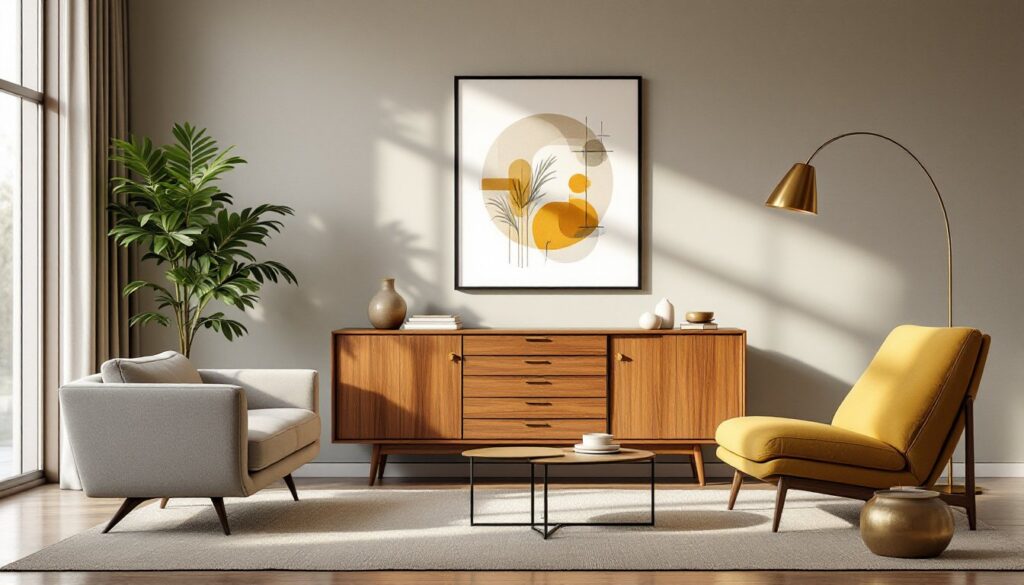
Vintage modern interior design has become one of the most popular aesthetic approaches for homeowners looking to create spaces that feel both lived-in and current. Rather than choosing between sleek minimalism or retro nostalgia, this hybrid style merges the best of both worlds, the craftsmanship and warmth of mid-century pieces with the clean lines and functionality of modern design. Whether someone is starting from scratch or refreshing a single room, understanding how to balance these two design philosophies creates homes that are genuinely comfortable to live in, not just Instagram-worthy. This guide walks through what vintage modern design actually means, which elements matter most, and practical ways to carry out the style without it feeling forced or mismatched.
Key Takeaways
- Vintage modern interior design combines mid-century craftsmanship and warmth with clean-lined modern functionality to create comfortable, intentional living spaces.
- Successful vintage modern design requires quality over quantity—source well-made pieces (whether original vintage or reissues) with recognizable silhouettes and honest material expression.
- Layer neutral color foundations with selective pops of vintage hues (mustard, teal, forest green) and mix textures like natural wood, leather, linen, and woven rugs to add depth and warmth.
- Start with a single statement piece such as a credenza or sofa to anchor the vintage modern aesthetic, then build around it with modern basics and complementary vintage accents.
- Balance eras intentionally in each room by mixing vintage furniture with contemporary elements—this prevents spaces from feeling frozen in time or overly eclectic.
- Budget for restoration costs when sourcing vintage pieces, prioritize modern infrastructure and function over aesthetics, and accessorize sparingly to maintain a curated, uncluttered look.
What Is Vintage Modern Design?
Vintage modern design, sometimes called mid-century modern or retro contemporary, blends furnishings and decor from past decades with the simplicity and function-first approach of current design. It’s not about filling a room with antiques or recreating a period home. Instead, it’s a deliberate curation of older pieces (typically from the 1940s through 1970s) alongside contemporary furniture, art, and accessories.
The core idea is that good design doesn’t have an expiration date. A well-made credenza from the 1960s with clean proportions and quality wood can sit comfortably next to a modern sofa without looking out of place, in fact, the contrast often highlights the strengths of both. Vintage pieces bring character, story, and often superior craftsmanship. Modern elements provide freshness, functionality, and adaptability to how people actually live today.
What separates vintage modern from mere “eclectic” decorating is intentionality. Every piece, whether old or new, should serve a purpose and fit within a cohesive visual framework. The style rewards restraint over maximalism and quality over quantity. Someone doesn’t need a showroom full of furniture: they need the right pieces in the right places.
Key Elements of Vintage Modern Style
Furniture and Pieces
Vintage modern furniture typically centers on mid-century modern classics and their contemporary reissues. Look for pieces with recognizable silhouettes: tapered wooden legs, minimal ornamentation, and honest material expression. Think clean-lined sofas (often in leather or linen), solid wood dining tables without excessive detailing, and storage units with function built into their form.
Original vintage pieces can be sourced from local estate sales, reputable antique dealers, or online platforms: but, quality and condition vary widely. Reissues and reproductions from contemporary furniture makers offer consistency and often include modern conveniences like better support in seating. The key is choosing furniture that looks intentional, a walnut side table with tapered legs or a teak dresser with brass pulls signals deliberate curation rather than random accumulation.
Mix scales and heights. A low-profile credenza paired with tall bookshelves creates visual rhythm. Pairing a statement mid-century lounge chair with a simple modern side table demonstrates how different eras can coexist. Avoid overstuffing: each major piece should breathe.
Color Palettes and Textures
Vintage modern color schemes typically feature neutral foundations, warm whites, soft grays, natural wood tones, and taupes, with selective pops of color. Many embrace the original palettes from the mid-century: mustard, burnt orange, teal, and forest green appear frequently but in moderation, often through accent walls, upholstered pieces, or art.
Texture is crucial because it prevents the space from feeling cold or sparse. Layer natural materials: solid wood, natural fiber rugs (jute, sisal, wool), linen textiles, and leather upholstery. Vintage pieces often arrive with patina and visible grain: modern finishes can be deliberately matte or tactile rather than high-gloss. The combination of smooth mid-century wood, a modern pendant light in brushed metal, and a hand-knotted rug creates depth and warmth that flatness alone cannot achieve.
Art and wall decor matter. Original abstract prints, geometric posters, or photographs in simple frames anchor the aesthetic. Vintage pieces, an old advertising poster or a framed textile, work alongside contemporary art prints without discord.
How to Incorporate Vintage Modern Design Into Your Home
Start with a statement piece. Rather than overhauling an entire room at once, begin with one quality vintage or vintage-inspired item, a sofa, credenza, or dining table. This anchors the aesthetic and guides subsequent choices. Everything else builds around it.
Layer in modern basics. Keep walls neutral and window treatments simple. Modern lighting (track lights, minimalist pendants, or contemporary floor lamps) pairs naturally with vintage furniture. A sleek sofa in a neutral fabric reads modern, but pairing it with a 1970s side table and vintage area rug tilts the room toward vintage modern without looking dated.
Source thoughtfully. Not every old object is worth keeping. Buy vintage pieces for their design quality and condition, not just novelty. A scratched, veneer-damaged dresser may look sad in a contemporary setting. A solid oak credenza with clean lines and functioning hardware integrates seamlessly. Estate sales, vintage furniture stores, and online marketplaces allow browsing by era and style: knowing what to look for, solid wood construction, functioning hardware, minimal water stains or structural damage, saves money and heartache.
Balance eras in each room. A bedroom might feature a modern bed frame, a 1960s nightstand, contemporary bedding, and vintage wall art. A living room could include a modern sectional, a mid-century credenza, current accent chairs, and a vintage-inspired rug. The rule is flexibility: no room should feel frozen in time.
Mind the practical details. Vintage pieces may need refinishing, reupholstering, or repair. Budget for these expenses upfront. A beautiful 1950s desk with a damaged finish can be stripped, sanded, and sealed relatively inexpensively: structural damage is costlier. Modern infrastructure, adequate electrical outlets, contemporary HVAC, current plumbing, should never be sacrificed for aesthetic: conceal wiring and systems behind vintage pieces when possible, but prioritize function.
Accessorize sparingly. Shelving, plants, books, and small objects should feel curated, not cluttered. A few carefully chosen vintage decorative items, ceramic vessels, mid-century glassware, a sculptural piece, anchor visual interest without overwhelming. Modern accessories keep the scheme contemporary: mixing eras prevents the space from feeling like a museum.
Conclusion
Vintage modern interior design works because it honors good craftsmanship while embracing how people live today. It’s not a rigid formula but a philosophy: choose quality pieces, old or new, that share honest proportions and functional design. The result is a home that feels collected rather than decorated, warm rather than cold, and timeless rather than trendy. Start with one piece, layer thoughtfully, and let the space evolve.