
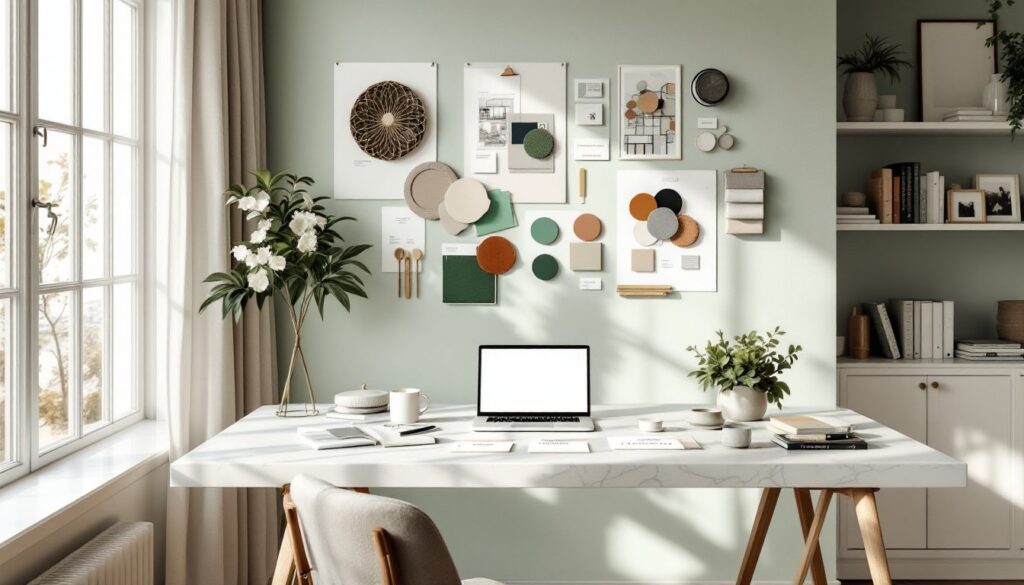
Choosing a name for an interior design company is one of the most critical decisions a designer will make when launching a firm. The right name instantly communicates expertise, style, and trustworthiness to potential clients, it’s the first impression before a single portfolio image is viewed. A strong interior design company name balances memorability with professionalism, sets the tone for brand identity, and helps the firm stand out in a competitive market. Whether a designer is starting a solo practice or building a full-service studio, the company name needs to resonate with the target clientele while remaining timeless enough to grow with the business.
Key Takeaways
- Your interior design company name is the foundation of brand recognition and client trust, serving as the first impression before clients view any portfolio work.
- Strong interior design company names balance memorability with professionalism by being easy to spell, pronounce, and reflective of the designer’s actual aesthetic and specialization.
- Test your company name against practical criteria including domain availability, social media handle accessibility, trademark conflicts, and long-term flexibility before finalizing your choice.
- Successful names often use alliteration, single-word descriptions, or founder names paired with descriptive terms—strategies that stick in clients’ minds and support word-of-mouth referrals.
- Avoid overly trendy, geographically specific, or niche interior design company names that may feel dated or limit business growth as your firm expands into new services or regions.
- Organize your naming strategy by design focus (minimalist, luxury, bohemian, sustainable, etc.) to ensure your company name authentically communicates your design philosophy to your target clientele.
Why Your Interior Design Company Name Matters
An interior design company name does far more than appear on a business card, it becomes the foundation of brand recognition and client trust. When potential clients search for design services, a clear, professional name helps ensure the firm appears in relevant search results and stands out among competitors. The name influences how clients perceive the designer’s style, values, and level of expertise before they even visit the website.
A well-chosen name also supports long-term business growth. If a solo designer eventually hires a team or expands into related services like home staging or renovation consulting, the company name should remain flexible and relevant. Conversely, a name that’s too trendy or niche can limit future opportunities or feel dated within a few years. The right name strikes a balance between current appeal and timeless professionalism.
Essential Characteristics of Strong Interior Design Names
Strong interior design company names share common traits that make them effective marketing assets. They’re typically easy to spell and pronounce, avoiding obscure references or complex wordplay that might confuse potential clients. They convey professionalism and style without sounding generic, and they often hint at the designer’s specialization or aesthetic.
Memorable and Pronounceable Options
Memorability is crucial in interior design, where word-of-mouth referrals and social media presence drive business. A name that’s too similar to competitors or difficult to spell makes it harder for clients to recommend the firm or find it online. Strong examples use alliteration (like “Palette & Plaster”), short, punchy combinations (like “Hearth Studio”), or founder names paired with descriptive terms (like “Clarke Interiors”). These approaches stick in people’s minds and are easy to share in conversation or search.
Names That Reflect Style and Sophistication
Many successful design firms choose names that hint at their aesthetic direction. Minimalist-focused designers might use clean, single-word names like “Ascent” or “Canvas.” Luxury and traditional design firms often incorporate words like “Atelier,” “Manor,” or “Heritage.” Eclectic or modern designers might explore names using contrasts, like “Brass & Bloom” or “Concrete & Velvet,” which signal a blend of styles. The key is ensuring the name genuinely reflects the designer’s actual work, not an imagined brand identity.
Interior Design Company Name Ideas by Style
Here are practical company name ideas organized by design focus. These examples demonstrate how different naming strategies appeal to different market segments.
Modern and Minimalist: Clean Studio, Grid & Grace, Neutral Ground, Form First, Negative Space Design, Linear Home Design, Essence Interiors
Luxury and High-End: Haute Habitat, Refined Spaces, Elegance Design Studio, Opulent Living, Bespoke Interiors, Signature Style, Crown & Lux
Eclectic and Bohemian: Curated Chaos, Wanderlust Interiors, Boho Bloom Design, Mosaic & Mood, Eclectic Eye, Artisan Living, Collected Spaces
Traditional and Classic: Heritage Design, Hearth & Home, Timeless Interiors, Crown Molding Studio, Georgian Interiors, Classic Comforts, Period Interiors
Sustainable and Eco-Conscious: Green Haven Design, Sustainable Style, Conscious Interiors, Reclaimed + Renewed, Eco Home Design, Nature’s Palette, Mindful Spaces
Transitional (Modern + Traditional Blend): Bridge Design, Harmony Home, Balance + Beauty, Transitional Touch, Modern Heritage, Fusion Interiors, Blend Studio
Industrial and Contemporary: Exposed Design, Steel & Serenity, Raw Studio, Loft Living Design, Concrete & Craft, Urban Palette, Warehouse Interiors
Maximalist and Color-Forward: Vibrant Vision, Bold & Bright, Prismatic Design, Colorful Canvas, Joy Interiors, Pattern House, Spectrum Design
Tips for Choosing the Right Name for Your Design Firm
Before settling on a company name, a designer should test it against several practical criteria. Say the name aloud multiple times and ask trusted colleagues if they understand it immediately. Search for the name online to ensure it’s not already claimed by a competitor or trademarked in the design industry.
Check domain availability for common extensions like .com or .studio. If the exact domain is taken, consider whether a variation still works for the brand or if a different name is a better fit. Social media handles matter too, if all the major platforms (Instagram, Facebook, LinkedIn) are unavailable for the chosen name, it creates unnecessary branding fragmentation.
Consider long-term flexibility. Will the name still work if the designer expands into commercial design, hospitality, or retail? Can it grow if they hire employees or create different service tiers? A name like “Sarah’s Interiors” works for a solo practice but may feel limiting if the business scales.
Avoid names that rely too heavily on trends, slang, or inside jokes. What feels current in 2026 might seem dated by 2030. Similarly, geographical names like “Brooklyn Interiors” can backfire if the designer relocates or wants to serve clients beyond that region.
Finally, consult with a trademark attorney if the business will operate nationally or internationally. Even a locally unique name might conflict with trademarks elsewhere, potentially requiring rebranding as the firm grows.
Conclusion
An interior design company name should reflect the designer’s expertise, aesthetic, and vision while remaining professional, memorable, and flexible for growth. Taking time to choose thoughtfully, testing names against practical criteria and ensuring legal availability, pays dividends in brand recognition and client trust. The right name becomes an asset that works for the business for years to come.