
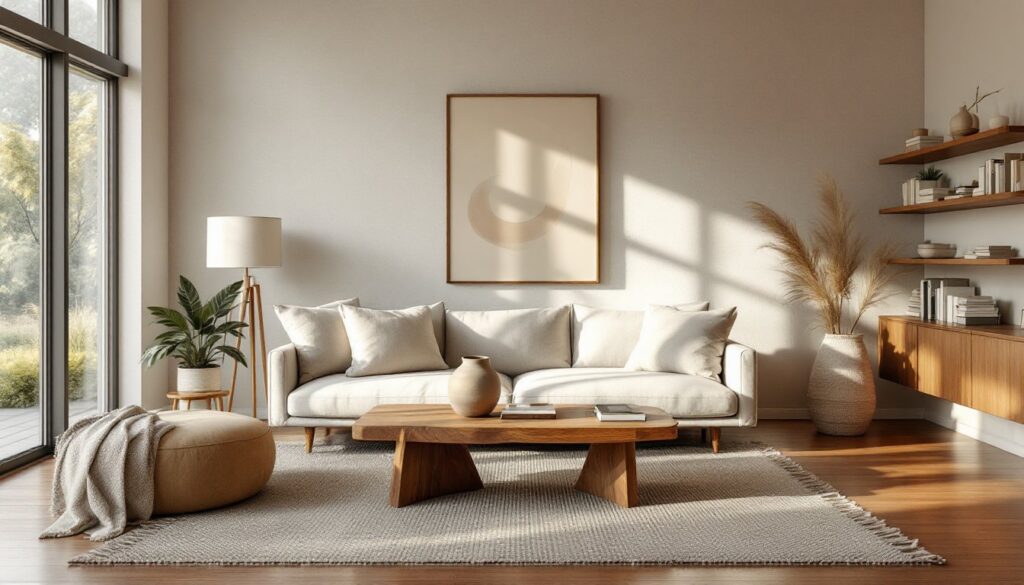
Boutique interior design has emerged as the antidote to one-size-fits-all decorating. Rather than following mass-market trends or pulling inspiration from Pinterest boards everyone’s already seen, boutique design prioritizes the client’s story, lifestyle, and vision. It’s the difference between filling a room with generic furniture and creating a curated space that feels unmistakably yours. In 2026, as homeowners grow weary of algorithmic aesthetics, the demand for personalized, high-touch design services continues to climb. This guide explores what boutique interior design truly means, how to find the right designer for your project, and practical steps to bring that elevated, bespoke approach into your own home.
Key Takeaways
- Boutique interior design prioritizes personalization and the client’s unique story over mass-market trends, creating spaces that feel unmistakably yours rather than generic.
- The demand for boutique design is climbing as homeowners reject algorithmic aesthetics and seek high-touch, consultative relationships with designers who understand their lifestyle deeply.
- Boutique designers specialize in bespoke sourcing, artisanal craftsmanship, and collaboration with local makers, spending substantial time on each project rather than managing dozens simultaneously.
- Quality over quantity is central to boutique design—investing in fewer, well-crafted pieces with superior materials and construction creates lasting spaces that align with sustainable values.
- You can apply boutique interior design principles yourself by starting with intentionality, curating a personal style reference library, and investing in anchor pieces that reflect your genuine aesthetic.
- When choosing a boutique designer, prioritize compatibility and shared values over credentials, review portfolios for lived-in spaces, and ask detailed questions about their process and fees during interviews.
What Defines Boutique Interior Design?
Boutique interior design isn’t a style, it’s a philosophy. Unlike large design firms that manage dozens of projects simultaneously or big-box retailers selling cookie-cutter room packages, boutique designers work with a limited client roster and dedicate substantial time to understanding each project deeply.
The boutique approach emphasizes artisanal craftsmanship, bespoke sourcing, and hands-on collaboration. A boutique designer might spend weeks hunting for the exact fabric, tile, or vintage piece that completes a vision. They’re comfortable working with local artisans, independent makers, and small manufacturers instead of relying exclusively on mainstream suppliers.
Another hallmark is the designer’s personal aesthetic. Boutique practices often develop a recognizable signature, whether that’s a minimalist Scandinavian sensibility, maximalist color and pattern mixing, or a specific regional or cultural influence. Clients hire them not just for problem-solving, but because they trust and align with the designer’s point of view. The relationship is consultative and collaborative rather than directive.
The Rising Demand for Personalized Design Solutions
The interior design landscape shifted dramatically after 2020. Remote work, extended time at home, and a cultural pivot away from disposable consumerism sparked renewed interest in spaces that actually reflect who people are. Social media fatigue, the exhaustion of seeing the same styled interiors across platforms, also drove demand for uniqueness.
Market data supports this trend. The global interior design services market is projected to grow, with boutique and independent designers capturing an expanding share as clients prioritize quality relationships and customization over volume and speed. Homeowners now expect designers to ask deep questions: How do you actually live? What brings you joy? What matters to your family? Rather than answering these with trend forecasts, boutique designers weave the answers into every selection.
This shift also reflects changing attitudes about investment. Many clients now see high-quality, personalized interiors as long-term assets, spaces they’ll live with and enjoy for years, not seasonal refreshes driven by trend cycles. That mindset aligns perfectly with boutique design’s emphasis on timeless quality and client-centered choices.
Key Principles of Boutique Interior Design
Customization and Personalization
Customization is the beating heart of boutique design. Rather than selecting from a predetermined palette or catalog, clients collaborate with the designer to develop a vision that’s entirely their own. This might mean commissioning a custom color blend from a paint mixer, sourcing fabrics from independent weavers, or creating built-in storage that solves a specific lifestyle challenge.
Personalization goes beyond aesthetics, too. A boutique designer considers the client’s daily rhythms, work-from-home needs, entertaining style, and even traffic patterns. A family with young children gets different solutions than a couple of empty-nesters, even if both want a contemporary aesthetic.
This level of tailoring requires upfront investment in discovery, interviews, site assessments, mood board development. But the payoff is a space that feels genuinely yours, not borrowed from a showroom or design magazine.
Quality Over Quantity
Boutique design champions substance over accumulation. Rather than filling every wall and surface, a curated space breathes. This often means selecting fewer pieces, but investing in materials, craftsmanship, and longevity. A single well-crafted sofa, solid wood dining table, or handmade rug anchors a room far better than multiple fast-furniture items.
Quality manifests in construction details, too: real wood versus veneers, natural fibers instead of synthetics, joinery that will endure versus glued-together particleboard. A boutique designer can justify these choices because they’re built on the client’s long-term satisfaction, not a quarterly sales target.
This principle also reduces waste. By choosing less and choosing well, boutique design aligns with sustainable living values that increasingly matter to clients.
How to Choose the Right Boutique Interior Designer
Start by clarifying your project scope and budget. Boutique designers typically have higher hourly rates or project fees than generalist firms, but their time is concentrated on your work. Know upfront whether you’re looking for full-service design, specific-room styling, or consultation-only guidance.
Research portfolios carefully. Look beyond pretty images to how the designer solves practical problems. Do their spaces feel lived-in or overly styled? Does their work align with your aesthetic? Check if they have experience with your home’s era or style, a designer specializing in minimalist urban apartments might not be the best fit for a Victorian renovation.
Interview prospective designers. Ask about their process: How do they gather your preferences? How often will you meet or communicate? What’s included in their fee structure? A good fit depends on compatibility and shared values, not just credentials. Pay attention to whether they listen more than they talk during the initial conversation.
Request references and speak to past clients. Ask how the designer handled changes, unexpected challenges, or budget adjustments. Ask if the space still works and feels right years later. This matters far more than accolades or social media followers. Finally, make sure you understand the full cost before signing any agreement, including designer fees, sourcing commissions, and any contingencies for custom work.
Bringing Boutique Design Into Your Home
You don’t need to hire a designer to apply boutique principles to your own space. Start with intentionality. Instead of browsing stores and adding items that catch your eye, define your vision first. Spend time in your home, notice what you naturally gravitate toward, what colors make you feel good, and what functional gaps frustrate you daily.
Curate a visual reference library. Collect images, color samples, and material swatches that resonate with you. Look for patterns in your selections: Do you gravitate toward warm or cool tones? Maximalist pattern or minimalist simplicity? Natural materials or modern metals? This personal style guide becomes your design direction.
Invest in anchor pieces. Choose one or two high-quality items, a statement sofa, dining table, or rug, that you genuinely love and that reflect your aesthetic. Build supporting elements around these anchors rather than scattering mediocre pieces throughout. This approach stretches budgets further while creating visual coherence.
Source thoughtfully. Visit local makers, antique shops, and independent online retailers alongside conventional furniture stores. Mixing scales, eras, and source creates character that mass-produced interiors can’t match. When you find something that works, whether vintage, handmade, or new, you’re supporting the maker and creating a space with genuine depth.
Finally, edit ruthlessly. Boutique spaces breathe because they’re not crowded. Before adding anything new, ask: Does this serve my life? Does it align with my vision? If the answer is no, leave it out. The boutique approach values empty wall space and uncrowded surfaces as much as the carefully chosen pieces that fill them.