
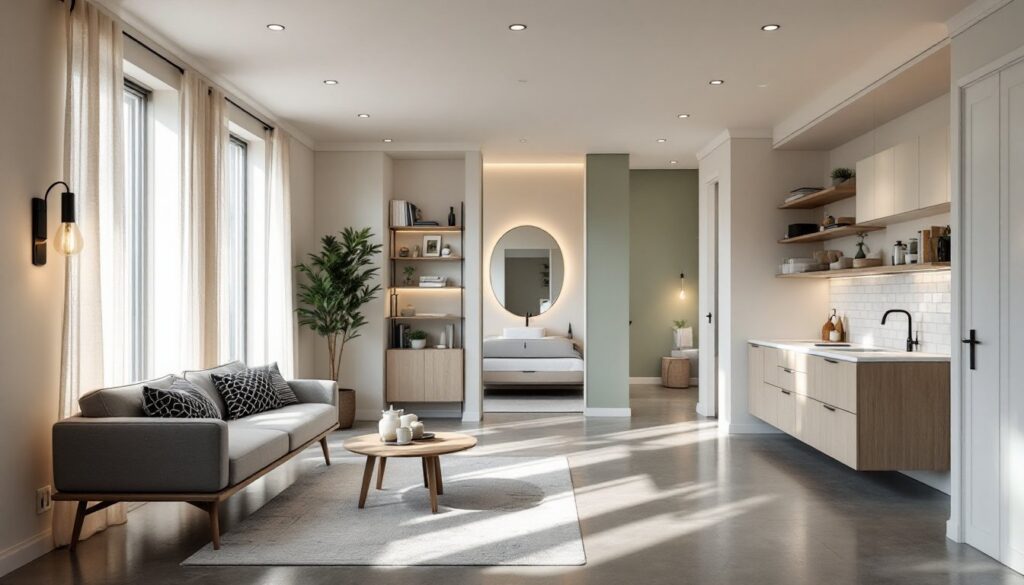
Accessory dwelling units (ADUs) have become a smart answer to rising housing costs and the desire for flexible living spaces. Whether renting out an ADU, using it as a guest suite, or living in one full-time, interior design decisions make the difference between a cramped box and a genuinely livable home. The good news: with strategic planning and smart choices, even a 400-square-foot ADU can feel spacious, functional, and stylish. This guide walks through practical design strategies that work within tight footprints, from furniture selection to lighting and layout tricks that actually deliver results.
Key Takeaways
- Successful ADU interior design starts with a solid floor plan that maps out fixed elements and defines functional zones to create visual boundaries without requiring structural changes.
- Multi-functional furniture and vertical storage solutions are essential in small spaces—choose pieces with built-in drawers, floating shelves, and wall-mounted organizers to maximize every square foot.
- Layered lighting combining ambient, task, and accent fixtures dramatically improves small space perception; add mirrors to bounce natural light and use warm LED bulbs to create a homey atmosphere.
- A cohesive color palette of light, neutral walls with strategic accent colors and textiles makes ADUs feel larger while hiding imperfections common in compact living areas.
- ADU kitchen and bathroom design delivers the highest return on investment through smart layouts, light-colored finishes, and vertical storage that improve daily functionality in high-use spaces.
- Clear traffic flow from entry through living areas to bedroom and bathroom prevents the ADU from feeling cramped, while floating furniture with exposed legs creates visual lightness and spaciousness.
Smart Space Planning For ADUs
The foundation of any successful small-space design is a solid floor plan. Before picking a single piece of furniture, measure your ADU carefully and note all fixed elements: doors, windows, closets, HVAC vents, and utility locations. A simple sketch on graph paper or a quick floor plan app (many are free) prevents costly mistakes down the road.
Start by zoning your space functionally. In a studio or one-bedroom ADU, define separate areas for sleeping, working, dining, and relaxation even if they’re in the same room. Use area rugs, partial walls, or strategic furniture placement to create visual boundaries without installing drywall. This psychological separation makes the space feel larger and more organized.
Clear sightlines matter tremendously in small spaces. Keep heavy furniture away from walls opposite the entry door and main windows. Floating furniture (nightstands on legs, sofas with exposed feet) instead of pieces that sit flat on the floor creates visual lightness and makes rooms feel taller. A 7-foot ceiling feels more spacious when you’re not staring at a solid wall of cabinetry.
Traffic flow is critical. Plan a clear path from the entry through living areas to the bedroom and bathroom. Avoid dead ends where furniture jams walkways. In kitchens especially, the classic work triangle (sink, stove, refrigerator) should remain unobstructed. Poor traffic flow frustrates daily living and makes the ADU feel significantly smaller than it actually is.
Multi-Functional Furniture And Storage Solutions
In an ADU, every piece of furniture needs to justify its footprint by doing more than one job. A sofa with drawers underneath provides extra seating and storage. An ottoman that opens reveals blanket storage. A wall-mounted desk folds up when not in use. These aren’t fancy tricks, they’re practical necessities.
Look for pieces with vertical storage capacity. Tall, narrow bookcases work better than wide, squat ones in small rooms because they pull the eye upward and use wall space efficiently. Ladder shelves, floating shelves above the toilet or sink, and wall-mounted organizers pull double duty by storing items and adding design interest without eating floor space.
For sleeping areas, consider a bed with built-in drawers or a platform with storage underneath. If you’re willing to DIY or hire out, this option saves thousands compared to separate dressers and nightstands. A queen platform bed with drawers takes up only slightly more space than a basic frame but eliminates the need for additional furniture.
One furniture-buying rule: measure your doorway before purchasing anything. A beautiful sectional does no good if it won’t fit through the entry. Narrow, modular pieces designed for apartments often cost more per piece but save hassle and regret.
Built-In Shelving And Hidden Storage
Built-in shelving maximizes wall space and feels custom without the custom price tag. Basic floating shelves installed above a desk, bed, or kitchen counter provide storage and display without taking up floor area. If you’re comfortable with drywall and stud-finding, installing shelves is a straightforward weekend project. Use metal brackets rated for the weight you’re storing, a shelf loaded with books or kitchen items needs sturdy support, typically 12-16 inches apart for 24-inch-deep shelves.
Hidden storage transforms an ADU’s functionality. Install shelving inside closet doors, use vacuum-seal bags under the bed, or add slim rolling cabinets that slide between appliances. Vertical space above doorways works for seasonal items in labeled bins. Kitchen open shelving looks great but requires discipline, closed cabinetry hides clutter and works better if your lifestyle involves visible mess.
Consider the type of storage before installing. Frequently used items should be at arm’s reach. Seasonal gear, archived documents, or backup supplies can occupy harder-to-access overhead or under-bed storage. A simple labeling system prevents forgotten items buried in the backs of closets.
Lighting And Color To Enhance Small Spaces
Lighting is the MVP of small-space design. A single overhead fixture creates shadows and makes rooms feel smaller and more institutional. Layer your lighting: ambient (general room light), task (desk, kitchen counters), and accent (lamps, wall sconces) to create depth and flexibility.
Swap a standard ceiling fixture for recessed can lights or flush-mount fixtures that don’t visually drop the ceiling. Add wall sconces on either side of a bed or desk for task lighting that frees up nightstand and desk space. A battery-powered LED strip under kitchen cabinets costs $15–30 and dramatically improves cooking visibility while adding visual interest. Dimmer switches ($10–20) on ambient lighting let you adjust mood without adding fixtures.
Windows are free light, don’t waste them. Use sheer, light-colored curtains or roller shades instead of heavy drapes that visually shrink windows. If privacy is a concern, sheer curtains during the day and blackout shades at night give you both light and sleep quality. Mirrors opposite windows bounce natural light around the room: a large mirror on one wall can make a narrow corridor feel half again as wide.
LED bulbs are non-negotiable in ADUs. They run cooler, last 15+ years, use 75% less energy than incandescent, and come in warm (2700K) or cool (3000K–5000K) tones. Warm light feels homey: cool light suits offices and kitchens.
Choosing The Right Color Palette
Small spaces benefit from light, unified color schemes. This doesn’t mean everything is white, neutral walls with strategic pops of color work beautifully. A soft greige, warm white, or pale gray walls create an open feeling without sterility. These colors also hide dust and minor scuffs better than pure white, which is important in a compact space where imperfections are noticeable.
Add personality with accent walls, textiles, and décor rather than painting every surface a bold color. A single accent wall in a muted jewel tone (sage green, dusty blue, warm terracotta) creates visual interest without overwhelming. Textiles, throw pillows, a patterned rug, curtains, introduce color easily and cost far less to change than paint if your taste shifts.
Color psychology matters in tight quarters. Warm neutrals feel welcoming: cool tones feel calm and spacious. If your ADU is a bedroom or guest space, warm whites and grays create coziness. If it’s an office or rental unit, soft grays and cool whites feel professional and versatile. Avoid stark white or very dark colors on all walls, which create a cave-like or sterile feeling. The goal is a balanced palette where the eye moves comfortably through the space without fatigue.
Modern ADU Kitchen And Bathroom Design
Kitchens and bathrooms are where ADU design delivers measurable return on investment. These rooms generate disproportionate impact in a small footprint because they’re used multiple times daily.
For kitchens, prioritize functionality over aesthetics. A small kitchen with smart layout beats a visually stunning inefficient one. Keep the sink near the entry for plumbing simplicity. Position the stove away from water sources (code requirement and practical sense). Refrigerator placement matters: avoid direct sunlight, which increases cooling load and wastes energy. Open shelving above counters looks modern but requires commitment to keeping items tidy: closed cabinetry maximizes usable storage.
Light-colored countertops and backsplashes (white, pale gray, natural stone) expand the visual kitchen. Glossy backsplash tile or acrylic sheeting reflects light and makes the space feel larger than matte finishes. Pull-out drawers, lazy Susans in corners, and vertical dividers for baking sheets maximize awkward cabinet space. A compact 24-inch-wide dishwasher or a high-capacity single-bowl sink saves space compared to a standard double bowl.
Bathrooms in ADUs are typically 35–50 square feet, bathroom design expert knowledge becomes critical. A walk-in shower takes less visual space than a tub (and saves water), though some tenants prefer a tub. Floating vanities with open space below feel less bulky than pedestal or cabinet sinks, and you can store cleaning supplies underneath. Wall-mounted toilets save floor space but require stud-reinforced framing and professional installation.
Vertical storage in bathrooms is essential. Tall, narrow cabinets beside the toilet, floating shelves above the sink, and over-the-door organizers store towels, toiletries, and cleaning supplies without eating floor space. Light colors and adequate ventilation (exhaust fan running during and 20 minutes after showers) prevent mold and mildew that compound cramped-space frustration.
Both kitchen and bathroom should have GFCI outlets (ground fault circuit interrupter) within 6 feet of water sources, code requirement in most jurisdictions. Adequate lighting over sinks and counters prevents shadows and makes these functional spaces safe and pleasant.
Conclusion
Designing an ADU doesn’t require magic, just honest assessment of what you need, intentional furniture choices, and smart use of light and color. A compact living space thrives on function-first thinking: storage that earns its place, layouts that flow naturally, and fixtures sized for the footprint. The result is a home that works hard and feels intentional rather than cramped. Start with a solid floor plan, add multi-functional pieces, layer your lighting, and choose a cohesive color palette, and suddenly that 400-square-foot ADU becomes a genuinely pleasant place to live or rent.