
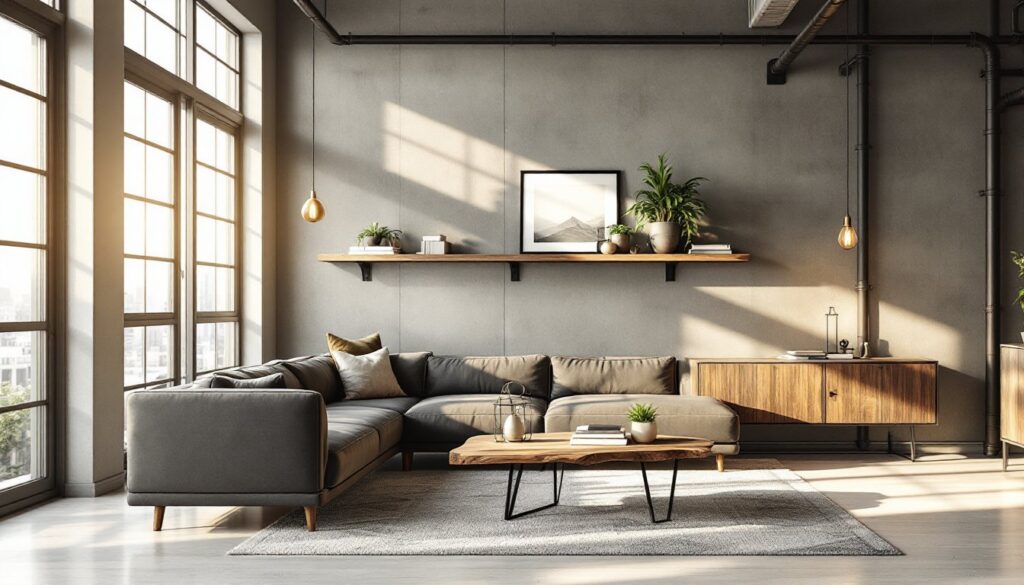
Industrial interior design has transitioned from warehouse chic to a refined, attainable aesthetic that works in everyday homes. Unlike the exposed-brick-and-bare-bulb trend of the early 2010s, today’s industrial living rooms blend raw materials with comfort and polish. Homeowners are drawing from factory and loft aesthetics, think steel beams, concrete, and reclaimed wood, but pairing them with inviting furniture and layered lighting. This style isn’t about recreating a manufacturing plant: it’s about capturing authenticity, durability, and visual interest. Whether a DIYer wants to retrofit an existing room or plan a full renovation, industrial design offers flexibility, often requiring more thoughtful material selection and finishing than expensive overhauls.
Key Takeaways
- Industrial interior design for living rooms balances raw materials like concrete, steel, and reclaimed wood with comfort and intentional softening through textiles and layered lighting.
- The core industrial trinity of metal, concrete, and reclaimed wood creates durability and visual interest: concrete polishing costs $8–$15 per square foot, while engineered reclaimed-look flooring ranges from $4–$12 per square foot.
- Neutral color palettes using a 60–30–10 ratio (60% neutral walls, 30% secondary neutral, 10% accent) with deep jewel tones or warm metallics prevent industrial spaces from feeling cold and austere.
- Furniture and layout should prioritize openness with fewer, statement-making pieces like steel-frame sectionals and live-edge wood tables paired with leather upholstery for durability.
- Layered lighting combining ambient, task, and accent lights—including pendant fixtures, track lighting, and Edison-style bulbs at warm color temperatures (2700K)—transforms industrial living rooms from warehouse-cold to inviting.
- Most industrial living room projects require thoughtful material selection and finishing rather than expensive renovations, making accent walls and strategic material swaps accessible for DIYers.
What Defines Industrial Interior Design
Industrial interior design pulls its DNA from early 20th-century factories and urban lofts. The core philosophy celebrates raw, honest materials, nothing masked or overly polished. Exposed structural elements like steel columns, exposed brick, or concrete walls form the backbone. Metal hardware, utilitarian fixtures, and visible mechanical systems (ducts, pipes, conduit) are embraced rather than hidden.
What separates this from cold, austere warehouse spaces is intentional softening. Textiles, layered lighting, and carefully chosen furnishings add warmth. A modern industrial living room isn’t hostile or uncomfortable: it’s strong and approachable. The aesthetic values function alongside form, every element should earn its place.
The practical appeal lies in durability and low maintenance. Concrete and steel age gracefully and resist wear. Reclaimed wood carries character without demanding pristine preservation. This makes industrial design both visually striking and genuinely livable for families and high-traffic spaces.
Key Materials and Textures for Industrial Living Rooms
Metal, Concrete, and Reclaimed Wood
These three materials form the industrial trinity. Metal comes in forms: steel shelving units, iron pipe frames for furniture, wrought-iron wall art, and copper or steel lighting fixtures. Brass accents add warmth without breaking character. Metal endures and develops a subtle patina over time.
Concrete is the workhorse. Polished concrete floors cost roughly $8–$15 per square foot (installed) and offer seamless durability. Concrete accent walls, either left raw or sealed with a matte finish, anchor a room visually. Pour-in-place or self-leveling concrete overlays refresh existing concrete without full replacement. For renters or temporary installations, concrete-look tile (porcelain, typically 12″×24″ format) mimics the aesthetic at lower cost and easier removal.
Reclaimed wood brings warmth and history. Genuine salvaged lumber from old barns or factories commands premium pricing, $5–$20+ per board foot, but every piece is unique. Engineered reclaimed-look flooring costs $4–$12 per square foot and replicates weathering without sourcing challenges. Rough-sawn wood shelving, dark stain or natural finish, pairs well with metal brackets. First-time DIYers installing floating shelves should locate wall studs (use a stud finder) and install heavy-duty L-brackets rated for 50+ pounds per shelf into the studs, never drywall alone.
Layering textures matters. Pair smooth concrete with rough brick or weathered wood. Add soft elements, wool area rugs, linen upholstery, to prevent the space from feeling stark.
Color Palettes That Work in Industrial Spaces
Industrial color schemes anchor on neutral, earthy tones. Grays (charcoal, dove, warm greige), blacks, deep browns, and whites form the foundation. Many industrial living rooms use a 60–30–10 ratio: 60% neutral walls/large surfaces, 30% secondary neutral (medium gray, warm tan), 10% accent.
Accents inject personality without clashing. Deep jewel tones, navy, forest green, rust red, work beautifully against concrete and steel. Warm metallics (copper, bronze) or cool silvers play off gray walls. Many DIYers paint accent walls a single bold color or use Shiplap (horizontal wooden planks, typically ½”–¾” thick) in dark stain as a focal point. Shiplap installation requires studs spaced 16″ on center, moisture-resistant shims, and fasteners rated for wood-to-stud application.
Brick, whether genuine or faux, dictates the palette. Original red or orange brick pairs with grays and blacks. If pointing (regrouting) mortar is part of renovation work, confirm mortar type matches existing material, improper matching stains or weakens joints over time. When in doubt, hire a mason.
Keep the overall feeling grounded. Industrial isn’t about color shock: it’s about depth and authenticity. Natural daylight changes how grays and earth tones read, so sample paint on the actual wall and view at different times of day.
Furniture and Layout Strategies
Industrial furniture embraces mixed materials: a steel-frame sectional with leather upholstery, a live-edge wood coffee table on metal legs, or pipe-frame shelving. Leather (genuine or high-quality faux) is durable and ages well. Upholstered pieces in canvas, linen, or wool blend add softness without competing visually.
Layout prioritizes openness and sight lines. Industrial living rooms typically use fewer, statement-making pieces rather than maximum coverage. A substantial leather sofa, a geometric area rug anchoring seating, and floating shelves create functional zones without clutter. Steel or wrought-iron side tables, preferably with wood or glass tops, work as end tables or accent pieces.
Reclaimed-wood shelving (mounted or freestanding) stores and displays books, plants, and objects. Open shelving demands organization, too many items read as chaotic, not intentional. Style with negative space: books, a potted plant, a framed photograph. Balance visual weight across shelves.
Don’t shy away from mixing vintage and new furniture. An authentic 1950s industrial stool alongside contemporary seating feels curated. Thrift stores and salvage yards offer genuine pieces often cheaper than reproductions. Scale matters, oversized furniture in a small living room overwhelms: lean toward proportion.
Lighting as a Design Statement
Lighting transforms industrial spaces from warehouse-cold to warm and inviting. Edison bulb fixtures, exposed filament bulbs in metal cages, wire guards, or minimalist sockets, became iconic in industrial design and work when used sparingly. But current trend favors varied, layered lighting: ambient, task, and accent.
Track lighting on ceilings or walls directs light where needed and adapts layout changes. Choose warm-color temperature bulbs (2700K) to avoid clinical fluorescent feel. Pendant lights with metal shades (steel, brass, copper) hung at varying heights add dimension. A pendant cluster above a side table or console looks intentional, not haphazard.
Vintage factory lights, industrial task lights with adjustable arms, often found at salvage yards for $20–$60 each, serve as bedside reading lights or accent fixtures. Genuine 1940s–1970s pieces are collectible: modern reproductions cost less and suit budgets.
Safety note: Rewiring or hard-wiring any fixture requires turning off power at the breaker, testing with a voltage detector to confirm power is off, and often a licensed electrician if structural changes occur. Most DIYers can install plug-in pendant swags (decorative ceiling hooks holding hanging lights with power cords) without rewiring.
Avoid overly bright, bare-bulb setups unless the room is massive. Dimmer switches give control. Layer ceiling lights, wall sconces, and floor/table lamps so the room adapts to time of day and mood.
Conclusion
Industrial living room design succeeds when it balances raw, honest materials with livability and comfort. Concrete and steel anchor the aesthetic: reclaimed wood and mixed textures prevent coldness. Thoughtful color, curated furniture, and layered lighting transform the raw into refined. Most projects don’t require major renovation, accent walls, new shelving, and strategic material swaps yield dramatic results. Start with one or two signature pieces, commit to a neutral base, and add elements intentionally. Done right, an industrial living room becomes a deeply personal, durable space that only improves with age.