
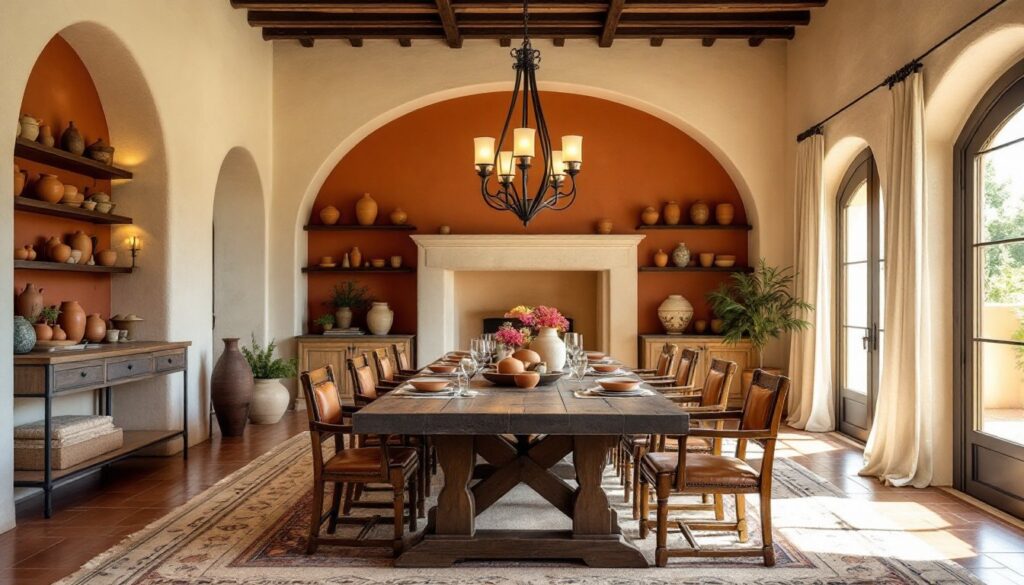
Hacienda interior design brings the charm and warmth of Spanish colonial architecture into modern homes. This style, rooted in traditional Mexican and Southwestern aesthetics, blends rustic textures, earthy tones, and handcrafted elements to create inviting, lived-in spaces. Hacienda design doesn’t require sprawling estates or extensive renovations, thoughtful color choices, authentic materials, and strategic decor selections can transform any room into a cozy retreat. Whether refinishing a single wall or planning a whole-home refresh, homeowners can achieve this aesthetic with manageable DIY projects and smart purchasing decisions. This guide walks through the core elements of hacienda style and practical steps to bring it into your living spaces.
Key Takeaways
- Hacienda interior design blends Spanish colonial and Mexican heritage with earthy tones, natural materials, and handcrafted elements to create warm, authentic living spaces.
- Essential hacienda color palettes center on terracotta, rust, soft creams, and deep browns, while avoiding cool grays and bright jewel tones that clash with the rustic foundation.
- Traditional flooring options like Saltillo tile and wide-plank wood in matte finishes provide authenticity, while textured stucco or faux finishes offer budget-friendly alternatives for walls.
- Hacienda furniture prioritizes solid, chunky wooden pieces with visible craftsmanship, leather or woven upholstery, and functional decor like hand-painted pottery over mass-produced items.
- Wrought iron lighting fixtures, dimmers, and natural fiber textiles like wool rugs and linen curtains are essential for balancing hacienda ambiance with functionality.
- Start with one room—such as a dining area or bedroom—to build confidence, then prioritize quality materials and visible handcrafted details over quick fixes to create a lived-in retreat.
What Defines Hacienda Style
Hacienda style draws from centuries of Spanish and Mexican heritage, emphasizing handmade quality and natural materials over mass production. Think thick stucco walls, clay tiles, and exposed wooden beams, textures that show age and wear honestly rather than hiding them. The aesthetic celebrates imperfection: slightly uneven plaster, variations in tile color, and visible wood grain all add character. Unlike polished contemporary design, hacienda interiors prioritize comfort and functionality. Rooms are built for gathering, with heavy wooden furniture, generous seating, and open floor plans that encourage movement and connection. Color palettes lean warm, terracottas, deep oranges, soft creams, and rich browns dominate. Ornamentation exists but remains restrained: hand-painted tiles, carved wooden accents, and wrought iron details appear selectively, drawing the eye without overwhelming the space. This is a style rooted in authenticity and purposefulness, not trends.
Essential Color Palettes for Hacienda Interiors
The hacienda color story revolves around earth tones and warm neutrals that complement natural light and aged materials. Terracotta and rust serve as anchor colors, warm, inviting, and reminiscent of fired clay. These pair beautifully with soft cream, ivory, and warm whites on larger wall surfaces, creating breathing room while maintaining warmth. Deep browns and chocolate tones work well for accent walls or woodwork and ground the space visually. Accent colors should remain earthy: burnt sienna, mustard yellow, deep teal, and rich olive green add personality without jarring the senses. Avoid cool grays, stark whites, or bright jewel tones, they clash with hacienda’s grounded, rustic foundation. When selecting paints, look for formulas with low sheen (flat or matte finishes better mimic aged plaster) and consider lime-based or specialty stucco paints if you’re pursuing authentic textures. Test paint samples on large swatches and observe them at different times of day: hacienda colors shift beautifully as light changes.
Flooring and Wall Treatments
Flooring is foundational to hacienda authenticity. Saltillo tile, a hand-fired clay tile from Mexico, is the traditional choice, offering warm, earthy tones and slight color variation that feels organic. Saltillo requires sealing and maintenance but ages gorgeously. For budget-conscious projects, look for porcelain tiles that mimic aged clay or consider terracotta-look ceramic tiles, which are durable and easier to maintain. Wide-plank wood in medium to dark stains also works, especially reclaimed or hand-scraped finishes that suggest age. Avoid high-gloss finishes: matte or slightly textured surfaces feel more authentic. Wall treatments go beyond paint. Stucco finishes, rough or smooth plaster applied thickly, remain the gold standard. If applying stucco yourself, expect a learning curve: consider hiring for large areas unless you’re comfortable with finish work. For a quicker alternative, textured paints or faux finishes can suggest stucco’s character. Accent walls benefit from hand-painted details: simple geometric borders, tile inserts, or mural elements add hacienda flair without requiring professional skill if kept simple. Wainscoting in dark wood or painted wood panels also suits the style, especially in dining or entry areas.
Furniture and Decor Selection
Hacienda furniture prioritizes solid, chunky pieces over delicate modern designs. Look for heavy wooden tables, oversized chairs with leather or woven fabric upholstery, and storage pieces like painted wooden chests or tall cabinets. Wood should feel substantial, think mortise-and-tenon joinery (strong, traditional joinery you can often see on quality pieces) rather than particleboard construction. Leather, whether tooled or plain, fits seamlessly: so do woven textiles like jute and linen in natural fibers. Ornamental details matter here: hand-painted ceramic hardware, wrought iron fittings, and carved wooden elements should be visible and appreciated. Decor includes hand-painted pottery, earthenware vessels, and clay sculptures, functional and decorative pieces that serve as focal points. Mirrors in heavy wooden or iron frames reflect light and add depth. Religious iconography, if it aligns with your taste, appears in hacienda homes: artwork typically leans figurative and historical. Avoid overstuffing rooms: hacienda style breathes. Each piece should justify its presence through material quality, handcrafted detail, or functional purpose. Shopping at local artisan markets, vintage shops, and specialty importers yields more authentic finds than mass-market furniture stores.
Lighting and Textiles
Lighting in hacienda interiors balances function and ambiance. Wrought iron fixtures, chandeliers, wall sconces, or pendant lights with frosted glass or metal shades, set the mood authentically. Candelabras, both functional and decorative, provide warm light and reinforce the rustic aesthetic. Lantern-style fixtures work indoors and out, echoing traditional hacienda architecture. Avoid recessed modern lighting or sleek fixtures: if your electrical box requires it, work around it with surface-mounted fixtures instead. Dimmers are essential, hacienda spaces should shift from bright (functional) to low and candlelit (intimate). Textiles soften the hard surfaces of clay, wood, and stone. Heavy woven rugs in natural fibers anchor seating areas: geometric patterns or subtle stripes fit the style. Blankets in wool or cotton drape over furniture, adding texture and warmth. Curtains and drapes in linen, canvas, or heavy cotton hang simply, avoid ruffles or ornate hardware: iron or wooden rods suit the aesthetic. Pillow covers in natural fabrics with woven, embroidered, or simply dyed finishes add comfort. Tapestries or woven wall hangings contribute visual interest and sound absorption, especially in rooms with hard surfaces.
Bringing Hacienda Style to Different Rooms
Kitchens benefit from open shelving (wood or painted) displaying pottery and dishware, terracotta tile backsplashes, and substantial wooden islands with room for seating. Paint cabinetry in warm cream or soft ochre: hardware should be wrought iron or ceramic. Dining areas anchor the home, invest in a solid wood table that seats many and can survive daily use. Tile accents, either as wainscoting or a feature wall, add authenticity. Pendant or hanging fixtures over the table create gathering warmth. Bedrooms stay serene with neutral walls, heavy wooden furniture, and textiles in cream, tan, or muted earth tones. A wrought iron bed frame or carved wooden headboard becomes a statement piece. Bathrooms shine with saltillo or ceramic tiles on floors and walls, a hand-painted tile border around mirrors, and wooden shelving for storage. Simple fixtures in bronze or wrought iron complete the look. Living rooms should feel expansive and inviting: low, substantial furniture arranged for conversation, area rugs defining zones, and minimal wall-to-wall ornamentation. Fireplaces with stucco or exposed brick surrounds become focal points. Consider how natural light enters each space and arrange accordingly, hacienda interiors glow in afternoon sun.
Conclusion
Hacienda interior design rewards intentionality and appreciation for natural materials. Success depends less on matching a mood board perfectly and more on choosing pieces and finishes that feel authentic to you while respecting the style’s roots. Start with one room, a dining area or bedroom, and build confidence before tackling larger projects like flooring or walls. Prioritize quality materials and visible craftsmanship: hacienda style celebrates handmade durability over quick, cheap fixes. Whether you’re refinishing walls, sourcing furniture, or layering textiles, each choice compounds to create a warm, grounded retreat that feels less like a designed space and more like a home that’s been lived in and loved for generations.