
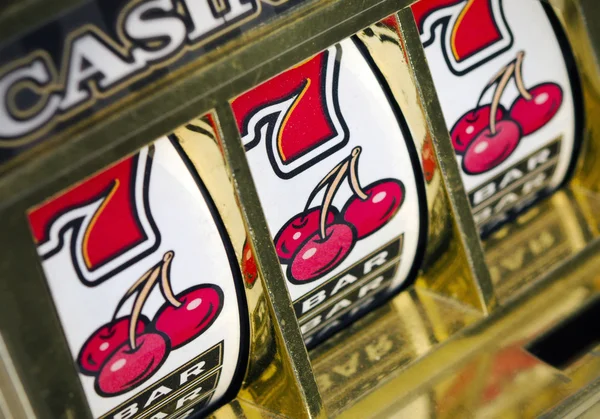
Have you ever opened an online slot and felt as though you were watching a tiny cartoon rather than spinning reels?
Moving characters, changing backgrounds, and playful sound effects can make a simple game feel surprisingly detailed. Much of that presentation comes from the game engine, the software that puts everything on your screen.
What Does a Game Engine Actually Do?
Think of an engine as the backstage crew. It draws symbols, handles taps, plays animations, and helps the game respond when something happens. Modern browser-based technology also allows many games to work across computers and phones without a separate app.
If a practice version is available, test it first. Can you find the spin button, mute the sounds, and read the paytable on your phone without zooming?
The Difference Between Looks and Results
An engine can show a dragon breathing fire when matching symbols appear, but the fire does not cause a payout. Game outcomes are determined by a random-number generator operating under the game’s rules. The animation simply presents the result in an entertaining way.
Knowing this distinction helps you avoid a common mistake: assuming that a long animation, near miss, or dramatic soundtrack signals that a win is coming.
How Engines Give Designers More Room to Experiment
Older-looking slots may have little more than fixed reels and basic sounds. Newer designs can change the scene, animate characters, or reveal story details as you play. The interesting part is how these creative choices shape the experience, not the odds.
Themes That Feel Like Small Stories
Imagine a space-themed slot where stars drift behind the reels and a spaceship appears during a bonus round. A food-themed game might use bouncing ingredients and kitchen sounds instead. Neither theme tells you whether the game has favorable odds; it only changes how the action is presented.
Developers can also adapt menus and instructions for different audiences. Someone browsing a section labeled สล็อต, the Thai term for slots, might encounter translated controls or locally familiar artwork. Clear instructions still matter more than decorative details.
Bonus Rounds with Clear Rules
Game engines can present free spins, multipliers, and interactive bonus scenes in visually different ways. A free-spin round might switch to a new background, while a multiplier could grow on screen when it takes effect.
Before playing, open the information or paytable screen. Check what triggers each feature, whether special symbols behave differently, and whether a jackpot has separate conditions. Do not assume a feature appears often just because it gets attention in a demo.
What Beginners Should Check First
A visually impressive game can still be confusing or financially risky. Spend a moment checking the rules and the platform itself before deciding whether to play for money.
Read the Numbers, Not Just the Artwork
Return to player, or RTP, describes the theoretical percentage returned over a very large number of plays. It does not predict what you will receive in one session. Volatility describes how uneven results may be: higher-volatility slots can have longer stretches without payouts.
Look for clearly stated rules, readable text on mobile, accessible account controls, and straightforward withdrawal conditions. Be cautious if a site hides terms, makes unrealistic winning claims, or asks for unnecessary personal information.
Keep Play in Perspective
Creative visuals can make time pass quickly, especially when spins run smoothly. That makes personal limits more useful, not less.
Set Boundaries Before Starting
- Choose a fixed entertainment budget you can afford to lose.
- Decide how long you will play, and use a timer.
- Never increase stakes to chase previous losses.
- Stop if the experience starts feeling stressful rather than fun.
Online slot gaming should be entertainment, not a way to earn income. An attractive game can be enjoyable to watch or try in demo mode, but no animation changes the uncertainty of each paid spin.