
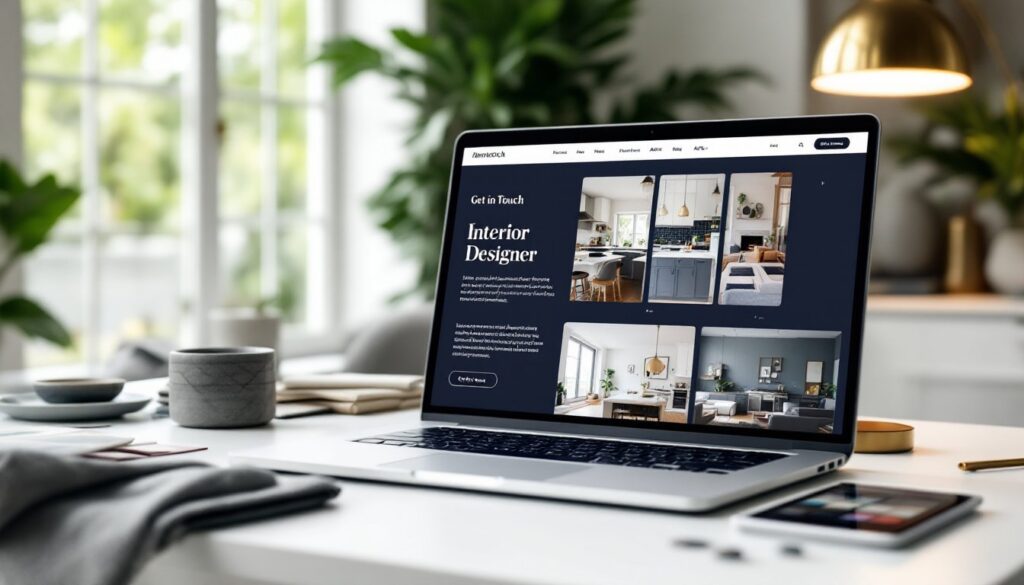
An interior designer’s website is their showroom, sales team, and portfolio all rolled into one. In 2026, a well-designed portfolio site doesn’t just display pretty rooms, it converts browsers into paying clients. The best interior design website examples share a common thread: clarity, visual impact, and a frictionless path from first impression to inquiry. Whether a designer specializes in residential spaces, commercial interiors, or niche markets like sustainable design, their website must communicate expertise, build trust, and make it easy for potential clients to reach out. This article explores what separates high-performing interior design websites from the rest, broken down by features, design principles, and real-world examples that actually drive conversions.
Key Takeaways
- Interior design website examples succeed by showcasing professional portfolio galleries with high-quality images, before/after comparisons, and video walkthroughs that demonstrate tangible transformation and build immediate visual credibility.
- Effective interior design websites reduce friction by prominently displaying simple contact forms, multiple clear calls-to-action, and free consultation offers that remove hesitation from potential clients.
- Trust signals such as client testimonials, credentials, transparent pricing, and social proof integration directly impact conversion rates and help designers stand out in a competitive market.
- Mobile responsiveness, whitespace, dark mode with sophisticated color schemes, and subtle animations create a polished, high-end perception that encourages longer browsing and increases inquiry volume.
- Portfolio categorization by room type, style, and project scope improves user experience and helps visitors quickly find relevant examples tailored to their specific design needs.
- SEO-optimized structure with clear heading hierarchy, descriptive alt text, and keyword-rich project descriptions ensures interior design websites rank for location-based and style-based searches, driving organic traffic and qualified leads.
What Makes an Effective Interior Design Website
An effective interior design website does three things simultaneously: it showcases the designer’s aesthetic and range, demonstrates their process and expertise, and removes friction from the client inquiry process. Visitors land on a designer’s site with a specific question in mind: “Can this person design a space I’d love?” The answer should be immediate and visual.
The best examples lead with portfolio work. Before a visitor reads a single word of bio or process explanation, they see striking images of completed projects. A cohesive visual identity matters too, typography, color palette, and imagery style should feel intentional and on-brand. A designer specializing in minimalist Scandinavian interiors shouldn’t have a website that looks maximalist and chaotic, even if the design is technically competent.
Trust signals are equally important. Client testimonials, clearly displayed credentials (ASID membership, years in business, featured press), and transparent pricing or service options all reduce buyer hesitation. Designers who hide their approach or make it hard to understand what they offer lose potential clients to competitors with clearer messaging.
Mobile responsiveness isn’t optional, it’s table stakes. Many clients browse design inspiration on phones while sitting in their living rooms, trying to imagine a renovation. A website that looks broken or slow on mobile leaves money on the table.
Essential Features Every Interior Design Website Needs
High-Quality Portfolio Galleries and Before/After Comparisons
A portfolio gallery is the anchor of any interior design website. The images should be professional-grade, fuzzy iPhone photos or poorly lit snapshots undermine credibility instantly. Each project should include 4–8 high-resolution images showing multiple angles, detail shots of material selections, and the full room context.
Before/after comparisons are conversion gold. They tell a story of transformation and make the designer’s impact tangible. A side-by-side gallery format works best, or a slider tool that lets visitors drag between before and after. This format quantifies the designer’s ability to improve a space in a way words never can.
Categorizing portfolio work by room type, style (modern, traditional, eclectic), or project scope helps visitors self-select and find relevant examples. A homeowner renovating a kitchen doesn’t need to scroll through 40 hospitality projects to find one relevant example. Filtering or clear sections save time and improve user experience.
Video walkthroughs are increasingly common and effective. A 60–90 second video of a completed project, with soft background music, creates emotional engagement that still photos alone can’t match. It’s worth the production investment.
Clear Contact Forms and Call-to-Action Elements
Every page should have a visible path to contact. A sticky “Get in Touch” button in the header or footer ensures visitors never have to hunt for how to reach the designer. The contact form itself should be simple, name, email, phone, a brief project description, and maybe timeline or budget range. Long forms with 15+ fields scare away casual inquiries.
Call-to-action (CTA) copy matters. “Submit” is generic: “Let’s Discuss Your Project” feels more welcoming. Placing a CTA button at the end of the portfolio section and on the “About” or “Process” pages creates multiple opportunities for conversion without feeling pushy.
Some designers offer a free consultation or initial phone call. This removes friction for hesitant clients who aren’t sure if they can afford professional design. Making that offer visible, “Schedule Your Free 30-Minute Consultation”, can increase inquiry volume significantly.
Email confirmation and follow-up automation matter too. When someone submits a form, an immediate confirmation email (“Thanks for reaching out, we’ll reply within 24 hours”) sets expectations and feels professional.
Design Trends That Convert Visitors Into Clients
In 2026, several design patterns are consistently performing well on high-converting interior design websites. Whitespace and breathing room remain critical. A cluttered, cramped layout makes a designer’s work seem chaotic by association, even if their actual designs are serene. Generous margins and clear visual hierarchy guide the eye and reduce cognitive load.
Dark mode and sophisticated color schemes are increasingly common. A deep charcoal or navy background with crisp white or soft gold typography creates premium, high-end perception. This works especially well for luxury or high-end residential design brands. It also reduces eye strain for visitors spending extended time browsing.
Typography-forward design is gaining ground. Bold, distinctive fonts paired with clean sans-serif body copy create personality without relying on flashy animations or stock photography. When a designer’s brand has a distinctive voice, their typography should reflect that.
Subtle animations and hover effects enhance interactivity without becoming distracting. A slow fade-in as images load, a gentle color shift on hover buttons, or a smooth scroll effect creates a polished, intentional feel. The key is subtlety, a designer’s website shouldn’t feel like a game or creative agency site.
SEO-smart structure matters more than many designers realize. Clear heading hierarchy (H1, H2, H3), descriptive image alt text, and keyword-rich project descriptions help the site rank for searches like “interior designer near [city]” or “modern kitchen design.” A beautiful site that no one finds is a beautiful waste of investment.
Social proof integration, embedded client reviews, Instagram feeds showing recent projects, or a press/media section, builds credibility. Potential clients want evidence that other real people have trusted this designer and been happy with the results. Third-party review platforms like Google Reviews deserve prominence if the designer has strong ratings.
Conclusion
The best interior design websites balance visual storytelling with functional clarity. They showcase beautiful work, remove barriers to inquiry, and build trust through transparency and social proof. In a competitive market, a site that does all three, and loads quickly, works on mobile, and ranks in search results, becomes a reliable lead generation tool, not just a digital business card. Designers investing in professional website design and regular updates to their portfolio see tangible returns in both inquiry volume and client quality.