
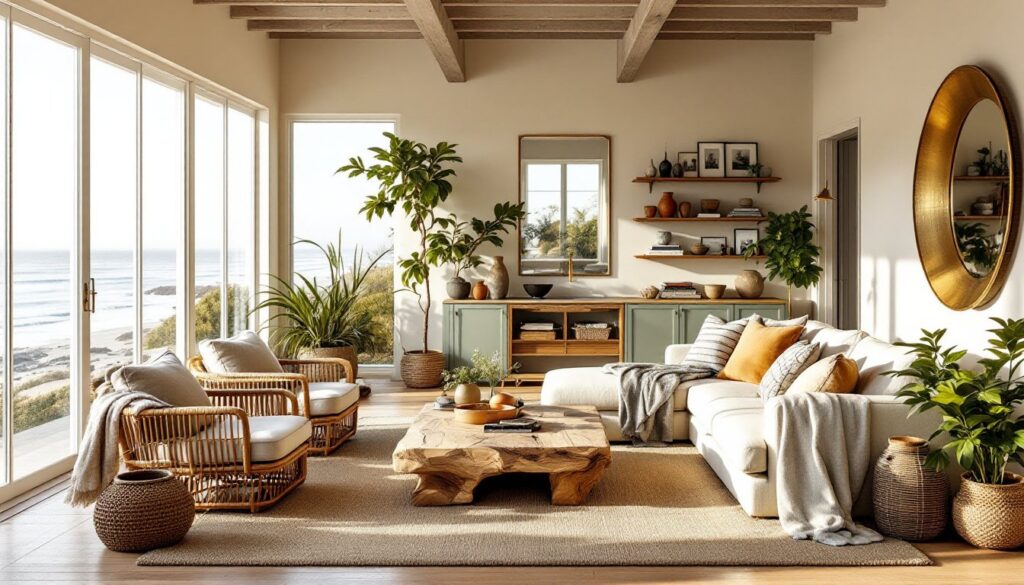
California coastal interior design captures the relaxed sophistication of seaside living without requiring oceanfront property. This design philosophy blends natural materials, soft color palettes, and functional furniture to create spaces that feel both airy and livable. Whether someone lives miles from the beach or just wants to escape into a calming aesthetic, coastal design offers an achievable way to refresh a home’s interior. The style emphasizes authenticity over trendy shortcuts, focusing on quality materials and timeless layouts that adapt to real family life. In 2026, homeowners are moving beyond clichéd beach decor toward more refined, sustainable approaches that honor the coastal landscape while maintaining practical, everyday functionality.
Key Takeaways
- California coastal interior design blends natural materials, soft color palettes, and functional furniture to create airy, livable spaces that bring seaside tranquility to any home, regardless of location.
- Authenticity and sustainability define modern coastal design through reclaimed wood, locally sourced materials, and timeless layouts that adapt to real family life rather than trendy shortcuts.
- Neutral color foundations paired with muted ocean-inspired tones—sage, seafoam, and dusty teal—create a grounded aesthetic that evokes the coast without clichéd beach theme elements.
- Natural textures from rattan, woven fibers, and layered materials add depth and character while maintaining the light, breathable feel essential to California coastal style.
- Coastal furniture prioritizes comfort and longevity through natural fabrics and open layouts with conversational groupings that enhance spaciousness and airiness.
- Curated decor featuring collected moments, local artisan ceramics, plants, and meaningful natural objects creates a personalized home that tells your story while maintaining calm, uncluttered surroundings.
Define California Coastal Style
California coastal style draws inspiration from the state’s Mediterranean climate, sandy shores, and laid-back culture. Unlike generic “beach house” aesthetics, it’s rooted in how actual California residents live, blending indoor and outdoor spaces, favoring natural light, and choosing materials that age gracefully. The foundation rests on simplicity: clean lines, uncluttered rooms, and an emphasis on what serves a purpose.
This design approach values sustainability and locality. Many coastal homes incorporate reclaimed wood, locally sourced stone, and low-water landscaping principles. The style avoids excessive ornamentation: instead, a single piece of driftwood or a well-chosen ceramic vessel becomes the focal point. Think weathered textures and soft edges rather than polished perfection.
Coastal design also prioritizes flow between spaces. Open floor plans, glass sliding doors, and minimal visual barriers blur the line between living areas and outdoor patios. This openness extends to storage, floating shelves and built-in niches replace bulky cabinets. The result is a home that feels larger, brighter, and less cluttered, which is particularly valuable for smaller residences or apartments.
Color Palettes That Capture Coastal Vibes
Neutral Foundations and Ocean-Inspired Tones
Coastal color schemes center on soft, muted tones pulled directly from nature. Sand, sea glass, weathered driftwood, and sun-bleached linen form the backbone of most interiors. Walls typically wear warm whites, soft beiges, or gentle grays, not stark or clinical, but creamy and inviting.
Neutral walls create the perfect canvas for accent colors. Muted blues and greens, think sage, seafoam, or dusty teal, appear in textiles, artwork, or a single feature wall. These aren’t bright, cartoon-like hues: instead, they’re grounded shades that evoke the ocean without screaming “beach theme.” A soft blue-green might appear in pillow covers, a linen curtain, or painted cabinetry in a kitchen or bathroom.
Warm metallics complement coastal palettes beautifully. Brushed gold, warm copper, and aged brass accents add subtle richness without formality. These metals appear in light fixtures, hardware, mirrors, and decor objects. Avoid chrome or polished silver, which feel too modern and cold for the style. Finally, incorporate natural wood tones, honey, light walnut, and whitewashed finishes, to ground the space and add warmth to all those soft neutrals and cool blues.
Materials and Textures for Authentic Coastal Living
Natural Wood, Rattan, and Woven Elements
Material authenticity defines California coastal design. Real wood, whether reclaimed, salvaged, or sustainably harvested, forms the backbone of furniture and architectural elements. Flooring often features light oak, whitewashed pine, or wide-plank hardwoods that mimic the weathered look of coastal homes. If hardwood isn’t feasible, light-colored tile or polished concrete can deliver the same visual softness.
Rattan and woven natural fibers soften hard lines and introduce organic texture. Rattan chairs, woven poufs, seagrass baskets, and jute rugs appear throughout coastal homes. These materials are durable, breathe with humidity changes typical of coastal climates, and age beautifully. A rattan bed frame, woven headboard, or basket-weave pendant light becomes a tactile focal point that adds character without fussiness.
Layered textures prevent coastal interiors from feeling flat or boring. Combine smooth linen with chunky wool, glossy ceramic with matte wood, and soft cotton with rough sisal. Throw blankets in natural fibers draped over sofas, textured throw pillows in varied weaves, and handwoven wall hangings create depth. Stone elements, travertine, limestone, or river rock, bring earthy solidity to bathrooms and entryways. The key is variety without chaos: each texture serves a purpose and feels intentional.
Furniture and Layout Principles
Coastal furniture prioritizes comfort and longevity over trendy silhouettes. Upholstered pieces feature natural fabrics, linen, cotton, and performance blends designed to withstand sun exposure and frequent use. Slipcovered sofas, common in coastal homes, allow easy washing and seasonal updates. Colors stay neutral: cream, taupe, soft gray, or natural linen tone.
Layout follows the principle of openness. Rather than pushing all furniture against walls, coastal design creates conversational groupings with breathing room. Low-profile pieces, sofas and coffee tables without bulky legs, maintain sightlines and enhance the feeling of airiness. Storage solutions disappear into walls via built-in shelving, window seats with hidden storage, or credenzas in natural wood finishes.
Mixing vintage, vintage-style, and new pieces adds authenticity. A well-worn wooden dining table paired with modern chairs, or an antique mirror beside contemporary lighting, creates visual interest and avoids the “matchy-matchy” trap. Many coastal homes incorporate repurposed or upcycled elements, old beach baskets as storage, vintage nautical maps as art, or a salvaged door as a headboard. Scale matters too: oversized pieces in small spaces overwhelm, while appropriately sized furniture maintains the light, breathable feel that defines the style.
Lighting and Decor to Enhance the Atmosphere
Lighting in coastal interiors mimics natural daylight as much as possible. Large windows with minimal window treatments, or sheer linen curtains that filter light, allow sun to flood spaces throughout the day. When artificial light is needed, warm-toned bulbs (2700K to 3000K color temperature) create an inviting, relaxed ambiance. Rattan, linen, and woven pendant lights soften harsh overhead fixtures while adding textural interest.
Layered lighting, combining overhead, task, and accent lights, lets residents adjust mood throughout the day. Dimmer switches give flexibility without adding visual clutter. Table lamps with natural fiber shades, wall sconces with brass fixtures, and simple floor lamps provide supplementary light while contributing to the overall aesthetic.
Decor in coastal homes celebrates collected moments rather than curated perfection. Shelves display ceramics from local artisans, books with worn spines, framed photos of meaningful places, and natural objects like driftwood, shells, and smooth stones. Art leans toward abstracts in soft colors, coastal landscapes, or black-and-white photography. Plants, both indoor potted varieties and those visible through windows, reinforce the connection to nature. A large mirror opposite a window bounces light and visually expands space. The goal is a home that tells its inhabitants’ story while maintaining calm, uncluttered surroundings. Every item should earn its place through beauty, function, or sentiment, never default filler.