
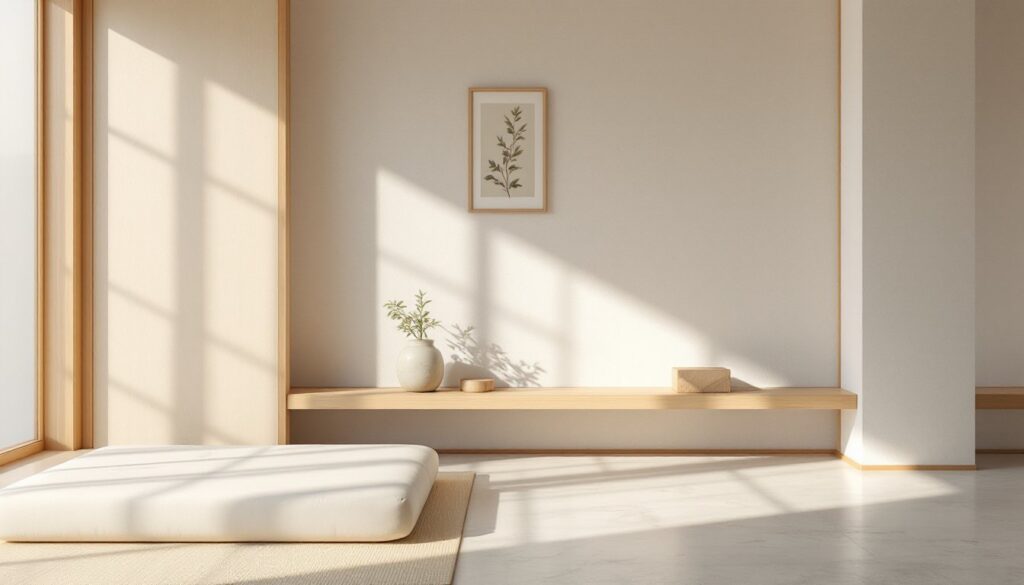
Japanese minimalist interior design isn’t about owning less stuff, it’s about designing with intention. Unlike the austere, cold minimalism sometimes seen in modern lofts, Japanese minimalism embraces warmth, natural materials, and the intentional use of empty space. Homeowners and designers are increasingly drawn to this approach because it creates environments that feel both serene and livable. Whether someone is redesigning a single room or reimagining their entire home, understanding the philosophy behind Japanese minimalism provides a practical roadmap for building spaces that reduce visual clutter, improve functionality, and promote calm. This guide covers the core principles, material choices, and hands-on strategies needed to bring authentic Japanese minimalist design into any home.
Key Takeaways
- Japanese minimalist interior design emphasizes intentional choices about objects, space, and function rather than simply owning fewer things, creating serene environments rooted in Zen Buddhism and natural harmony.
- The concept of ma (negative space) and wabi-sabi (beauty in imperfection) are the two core principles that guide every design decision, from furniture placement to material selection.
- A restrained, nature-inspired color palette of warm whites, soft grays, and muted neutrals paired with natural materials like wood, stone, and linen creates calm, functional spaces.
- Low-profile, multi-functional furniture arranged against walls with clear pathways maximizes spaciousness and allows visual flow, while built-in storage keeps belongings accessible but hidden.
- Transform any home by starting with one room: declutter ruthlessly, establish a neutral base, select essential furniture, introduce intentional empty space, and add natural materials gradually over weeks rather than rushing the process.
- Japanese minimalist design frees homeowners from the pressure of sterile perfection by celebrating natural aging, patina, and honest material character that develop beauty over time.
Understanding Japanese Minimalism and Its Core Philosophy
Japanese minimalism draws from centuries of cultural aesthetics rooted in Zen Buddhism, tea ceremony traditions, and the principle of living in harmony with nature. Unlike Western minimalism, which often focuses on reducing possessions to achieve simplicity, Japanese minimalism emphasizes the relationship between objects, space, and the person inhabiting the room. The philosophy doesn’t demand an empty white box: it asks: Does this object serve a purpose? Does it bring clarity or beauty? Does it respect the space around it?
This mindset shifts how people approach home design. Instead of following a formula, they make deliberate choices about what enters the home and how it’s arranged. A room might contain fewer items, but each piece, a wooden stool, a ceramic vessel, a single framed print, is selected and positioned to create balance and meaning. The goal is functional beauty: spaces that work seamlessly for daily life while feeling calm and uncluttered. This philosophy translates across cultures because it prioritizes wellbeing and intentionality over trends.
Essential Design Principles for Modern Japanese Interiors
Two core concepts underpin Japanese minimalist design and deserve detailed attention: ma and wabi-sabi. Understanding these principles shapes every decision, from wall color to furniture placement.
Ma: The Art of Negative Space
Ma (間) translates as “space” or “gap,” but it’s more nuanced than empty air. In Japanese design, ma is active, it’s the intentional void that gives meaning to objects around it. A room with too much furniture, too many colors, and no breathing room feels chaotic: when ma is respected, the eye rests and the mind follows. Practically speaking, this means resisting the urge to fill every corner. A wall might hold a single shoji screen (a traditional sliding door with translucent paper panels) or a small shelf with just three items. The emptiness isn’t lack: it’s composition. It allows the eye to move through the space and settle, making the room feel larger and more peaceful. When planning a room, identify focal points, a window, a low platform bed, a sitting area, and leave space around them to breathe.
Wabi-Sabi: Beauty in Imperfection
Wabi-sabi (侘寂) embraces the beauty of imperfection, aging, and incompleteness. A handmade ceramic bowl with an uneven glaze, a wooden beam showing its grain and knots, or a plaster wall with subtle texture, these aren’t flaws to hide but features to celebrate. This principle frees homeowners from the pressure to achieve sterile perfection. Real wood shows its age: natural materials wear and patina over time, and that’s exactly what makes them beautiful. In practice, wabi-sabi means choosing authentic, natural finishes over polished, uniform surfaces. A linen curtain with gentle wrinkles, a concrete floor with a slightly uneven finish, or a wooden table with visible growth rings all embody this aesthetic. This approach is also forgiving: imperfection is expected and valued, so the pressure to maintain pristine conditions eases.
Color Palettes and Natural Materials
Japanese minimalist spaces typically rely on a restrained, nature-inspired color palette. Neutral base colors, warm whites, soft grays, warm beiges, and muted blacks, dominate walls and large surfaces. These create calm backdrops that let natural light move through the room without distraction. Accent colors are minimal and pulled from nature: soft greens, warm browns, dusty blues, or charcoal. A single accent wall or a carefully chosen textile might introduce a second color, but the overall effect is harmonious rather than bold.
Natural materials are essential. Wood, especially lighter oak, ash, or unpainted cedar, appears in flooring, furniture, and trim. Stone, particularly slate or unpolished granite, grounds spaces. Textiles matter too: natural linen, cotton, wool, and bamboo fabrics create softness without pattern clutter. Tatami mats (traditional woven straw flooring) or light wood floors replace carpet in many rooms: they’re easier to maintain and feel more connected to the earth. Plaster, clay-based paint, or board-and-batten wall finishes add texture without glossy shine. Avoid high-gloss finishes, plastic materials, and anything that looks mass-produced or plastic. The goal is materials that age gracefully, develop patina, and feel honest. When selecting products, choose solid wood over veneer, natural fabrics over synthetics, and finishes that let material character show through.
Furniture and Layout Strategies
Japanese minimalist furniture prioritizes low-profile, multi-functional pieces. Low seating, floor cushions, low wooden benches, or platforms close to the ground, encourages sitting closer to eye level with the room, creating intimacy and reducing visual clutter. Beds are often low platforms rather than high frames: nightstands are minimal or absent. Storage is built-in or integrated: tansu chests (traditional Japanese wooden storage), wall-mounted shelves, or fitted cabinetry keep belongings hidden but accessible.
Layout follows the principle of creating clear pathways and focal points. Rather than floating furniture in the middle of a room, Japanese minimalist arrangements anchor pieces against walls, leaving open floor space in the center. This maximizes the sense of spaciousness and allows energy, both literal foot traffic and visual flow, to move freely. In a bedroom, the low bed becomes the focal point: in a living room, a window or a single piece of art might anchor attention. Furniture should be few and intentional: perhaps a low table, seating for one or two, and a single shelf. Dining tables are simple and often without chairs pushed underneath, they’re folded away or stored elsewhere when not in use. This flexibility is key: Japanese homes often use the same space for multiple purposes, so furniture must be movable and unobtrusive. Before placing a piece, ask whether it serves two or more purposes or whether it could be replaced by something with dual function.
Bringing Japanese Minimalism Into Your Home
Implementing Japanese minimalist design doesn’t require a complete renovation. Start small: choose one room, a bedroom or a home office works well, and apply these principles incrementally.
Step one: Declutter ruthlessly. Go through the room and remove everything that doesn’t serve a function or bring intentional beauty. Be honest: does that bookshelf full of decorative items or that set of matching throw pillows truly need to stay? Donate, sell, or store items elsewhere. The goal isn’t emptiness but clarity.
Step two: Choose a neutral base. Paint walls a warm white, soft gray, or warm beige. Choose light wood flooring or a natural fiber rug. These neutral bases cost little and instantly calm the visual environment. Avoid pattern or multiple colors.
Step three: Select essential furniture. Keep only pieces that serve a clear purpose. A low bed, a single shelving unit, and perhaps one chair, that’s often enough. Choose wood or natural materials. Avoid upholstered pieces with visible stitching or ornate details: look instead for clean lines and natural finishes.
Step four: Introduce ma. Position furniture to create clear open space. Leave at least one wall bare. If adding shelving, don’t fill every inch, leave gaps and keep items to single-digit counts. A shelf might hold three objects, not thirty.
Step five: Add natural materials and texture. Introduce a linen curtain, a wooden stool, a ceramic piece, or a stone element. Let materials show their age and character. A small potted plant (just one or two) introduces life without clutter. Soft natural light through sheer fabric works better than artificial accent lighting.
Timeline: This shift takes weeks, not days. Live in the space as you adjust it. Remove items you don’t miss after a month. Add pieces slowly, evaluating each addition against the philosophy. The most successful Japanese minimalist spaces evolve gradually, guided by intention rather than rushed completion.