
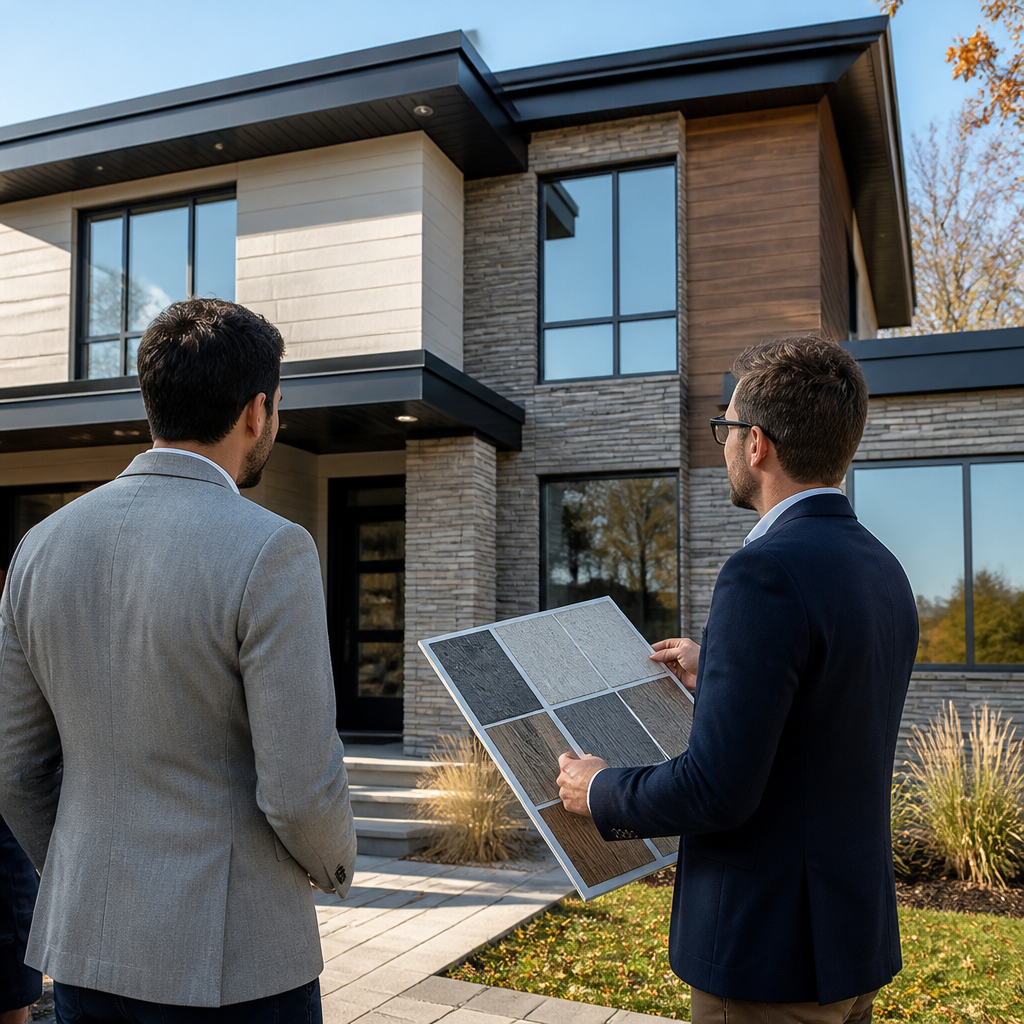
Choosing the right exterior materials for your home is one of the most significant decisions you'll make during construction or renovation. The materials you select not only define your home's aesthetic appeal but also determine its durability, energy efficiency, and long-term maintenance requirements. From siding and roofing to garage doors and trim work, every component plays a critical role in protecting your investment while creating the curb appeal you envision.
Understanding Material Performance in Different Climates
Climate considerations should drive your material selection process from the very beginning. Homes in coastal regions face salt air corrosion and high humidity, while properties in mountain areas must withstand freeze-thaw cycles and heavy snow loads. Desert climates present their own challenges with intense UV exposure and extreme temperature fluctuations. Each environment demands materials specifically suited to withstand local weather patterns without premature deterioration.
Wood products require particular attention to climate compatibility. Cedar, cypress, and redwood naturally resist moisture and insect damage, making them excellent choices for humid climates. However, proper installation and maintenance remain essential regardless of the wood species you choose. Understanding how different materials respond to your specific climate helps prevent costly repairs and premature replacement down the road.
Evaluating Long-Term Cost Versus Initial Investment
The sticker price of building materials tells only part of the story. A comprehensive cost analysis must account for installation expenses, expected lifespan, maintenance requirements, and energy efficiency contributions. Materials with higher upfront costs often deliver superior value over time through reduced maintenance needs and enhanced durability.
Consider fiber cement siding as an example. While it costs more initially than vinyl, it typically lasts fifty years or more with minimal maintenance, resists fire and insects, and holds paint exceptionally well. Similarly, investing in quality components for other exterior elements pays dividends through longevity and performance. When selecting major features like entry points to your home, choosing garage doors that complement your overall design while meeting functional requirements ensures cohesive aesthetics and reliable operation for decades.
The Art of Combining Materials for Maximum Impact
Modern home design frequently incorporates multiple exterior materials to create visual interest and architectural depth. Successful combinations balance texture, color, and scale while respecting the home's architectural style. A craftsman-style home might feature stone accents on the lower third, complemented by lap siding above and decorative timber elements at the gables. Contemporary designs often pair smooth stucco with natural wood elements and metal accents for a sophisticated look.
When combining materials, pay careful attention to transition points and flashing details. Water infiltration at material junctions represents one of the most common sources of exterior damage. Professional installation with proper weatherproofing at every seam and connection point protects your home's structural integrity while preserving its aesthetic appeal. If you're working with natural wood products, understanding proper techniques becomes even more critical. Learning effective methods for working with cedar lumber ensures clean cuts and proper fitting that minimize waste and maximize material performance.
Maintenance Requirements and Realistic Expectations
Every exterior material demands some level of maintenance, though requirements vary dramatically. Vinyl siding needs only occasional washing, while wood siding may require refinishing every few years depending on exposure and climate. Brick and stone veneer offer exceptional longevity with minimal care, though mortar joints eventually need repointing. Metal roofing can last fifty years or more with virtually no maintenance beyond occasional inspections.
Before making final material selections, honestly assess your willingness and ability to perform required maintenance. If you lack time or interest in regular upkeep, choose materials that align with low-maintenance lifestyles. Conversely, if you enjoy hands-on home care and appreciate the character that natural materials develop over time, wood and other traditional materials might suit you perfectly. Matching materials to your maintenance expectations prevents frustration and helps preserve your home's appearance and value.
Energy Efficiency and Environmental Considerations
Modern exterior materials contribute significantly to home energy efficiency through improved insulation values and reduced thermal bridging. Insulated siding products add measurable R-value to wall assemblies, while reflective roofing materials reduce cooling loads in hot climates. Even color selection impacts energy performance, with lighter shades reflecting more solar radiation and reducing heat absorption.
For homeowners exploring natural wood siding options, resources like a comprehensive cedar siding guide provide valuable insights into sustainable material choices that deliver both beauty and performance. Cedar's natural insulating properties, combined with its renewable status and biodegradability, make it an environmentally responsible choice. The material's cellular structure creates tiny air pockets that provide better thermal performance than many synthetic alternatives.
Sustainability extends beyond the materials themselves to include manufacturing processes, transportation distances, and end-of-life disposal considerations. Locally sourced materials reduce transportation emissions while supporting regional economies. Products manufactured with recycled content or through energy-efficient processes further reduce environmental impact. Some materials can be recycled at the end of their service life, while others contribute to landfill waste. Weighing these factors alongside performance and aesthetic considerations helps you make choices that align with your environmental values.
Liberty Cedar: Crafting Excellence in Natural Wood Solutions
For homeowners and builders who value authentic natural materials, Liberty Cedar has established itself as a premier source for premium cedar products. The company specializes in high-grade western red cedar siding, decking, and lumber products that showcase the distinctive beauty and performance characteristics that have made cedar a favored building material for generations. Their commitment to quality begins with careful timber selection and continues through precise milling and finishing processes that maximize each board's potential.
What distinguishes Liberty Cedar in the marketplace is their understanding that successful projects depend on more than just quality materials. They provide extensive technical support and educational resources that help customers make informed decisions about product selection, installation methods, and long-term care. This comprehensive approach ensures that projects utilizing their materials achieve the durability and aesthetic appeal that natural cedar promises when properly specified and installed.
Making Your Final Material Decisions
As you narrow down your exterior material choices, create a decision matrix that weights factors according to your priorities. Budget, maintenance tolerance, aesthetic preferences, climate suitability, and environmental impact all deserve consideration. Visit homes featuring materials you're considering, talk to contractors experienced with different products, and request samples to evaluate in your home's actual lighting conditions.
Remember that exterior materials significantly impact your home's character and value for decades. Taking time to thoroughly research options, understand installation requirements, and select products suited to your specific circumstances pays substantial dividends. Whether you choose traditional natural materials, modern engineered products, or a thoughtful combination of both, informed decisions based on comprehensive evaluation ensure results that satisfy your aesthetic vision while delivering the performance and durability your home deserves.
The exterior materials you select today will define your home's appearance and protect its structure for generations to come. By carefully considering all relevant factors and choosing products that align with your priorities, you create a home exterior that combines beauty, performance, and lasting value in equal measure.