
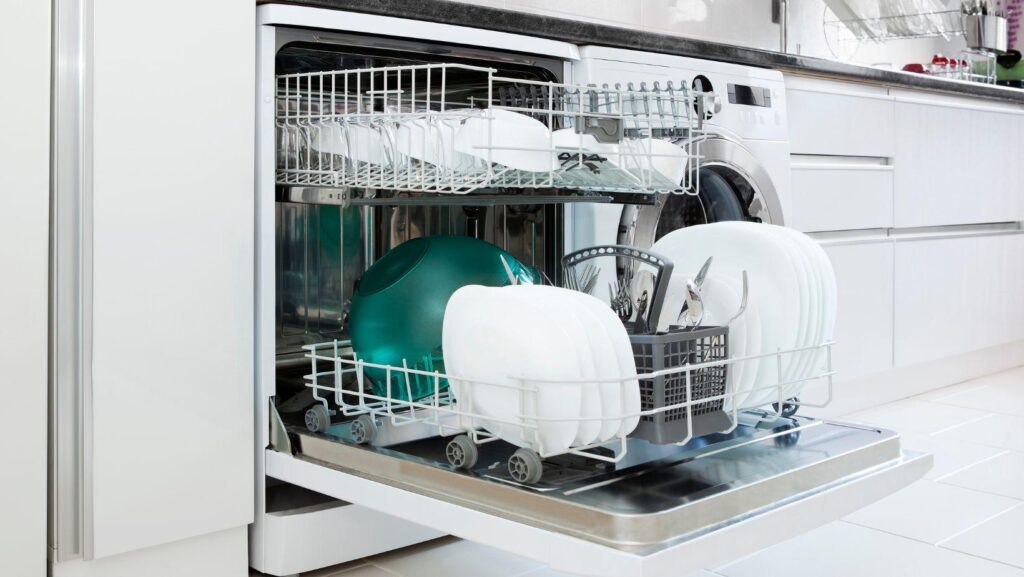
A dishwasher can handle daily kitchen chores without much attention until its performance starts to change. If searching for a dishwasher fixer near me, it is important to notice signs such as dirty dishes, standing water, strange noises, leaks, or interrupted cycles before a complete breakdown. These symptoms should not always be dismissed as minor inconveniences. Early attention can help prevent more expensive failures, water damage, and problems with nearby electrical components. When routine cleaning no longer solves the issue, professional dishwasher repair may be the more practical option.
Dishes Remain Dirty After a Full Cycle
When plates come out with food particles or greasy marks, the problem is not always the detergent. The dishwasher may simply fail to move enough water through the washing system.
The most common areas to check include:
- Spray arms: blocked openings can weaken water pressure and leave parts of the load untouched.
- Filter: accumulated food debris restricts circulation and can return residue to clean dishes.
- Water temperature: insufficient heating makes it harder to remove grease and dissolve detergent.
- Circulation pump: a worn or damaged pump may not create enough pressure for effective washing.
If cleaning the filter and spray arms makes little difference, the fault may be deeper inside the appliance. Running several more cycles rarely fixes a failing component.
Standing Water and Drainage Problems
Water covering the bottom of the dishwasher after a cycle usually indicates a drainage issue. A blocked filter, drain path, or hose may prevent wastewater from leaving the appliance correctly. Food debris, grease, mineral deposits, and foreign objects can all restrict drainage.
A failing drain pump can create the same symptom even when the filter is clean. A damaged impeller or weak motor may prevent the pump from moving water efficiently. Drain connections can also cause wastewater to flow back into the appliance.
Persistent water can lead to odours and residue while increasing the risk of leaks. If basic cleaning does not restore normal drainage, a technician can check the complete system and determine whether the problem involves a blockage, hose, installation, or failed pump.
Leaks and Unusual Sounds
Water around the dishwasher should never be dismissed as a harmless inconvenience. A worn door seal is one possible source, but leaks can also come from hoses, connections, valves, pumps or damaged internal seals.
Sound changes can offer another clue. A dishwasher will naturally make some noise, but grinding, squealing, rattling or persistent buzzing is worth investigating, especially when it appears suddenly.
Useful warning signs include:
- moisture around the door;
- water underneath the appliance;
- grinding during washing;
- buzzing while the dishwasher is not moving water;
- stronger vibration than usual.
A leak accompanied by unusual mechanical noise is a good reason to stop using the appliance until the source is identified.
Dishwasher Won’t Start or Finish a Cycle
A dishwasher that refuses to start or stops halfway through a programme may have a problem with its door latch, sensors, controls or electrical components.
The door switch must confirm that the door is properly closed before the appliance can operate. If the latch or switch fails, the dishwasher may appear completely unresponsive.
Other faults can involve:
- control boards;
- temperature or water-level sensors;
- wiring and electrical connections;
- water inlet valves;
- heating elements;
- circulation or drain pumps.
Error codes can narrow down the affected system, but they do not always identify the failed part. Proper testing is still needed before replacing expensive components.
Why Professional Diagnosis Can Save Time
Dishwasher symptoms often overlap. Poor cleaning, for example, may result from a blocked filter, weak circulation, low water temperature or a pump problem. Replacing one part without checking the rest can therefore waste both time and money.
A qualified technician can examine the appliance as a complete system, test electrical and mechanical components, inspect connections and determine what is actually causing the fault. This is especially useful when the dishwasher repeatedly develops the same problem.
For anyone searching for a dishwasher fixer near me, the quality of diagnosis matters as much as availability. A proper repair starts with finding the reason behind the malfunction rather than simply replacing the part that seems most obvious.
Dirty dishes, standing water, leaks, strange noises and interrupted cycles are more than minor inconveniences when they keep returning. Basic maintenance may resolve a blocked filter or spray arm, but persistent problems can involve pumps, heating elements, sensors, seals or electrical controls. Early attention can reduce the risk of a complete breakdown and help prevent water damage. When the fault involves internal components or continues after simple checks, professional dishwasher repair is a more reliable way to identify the cause and restore normal operation.