
You’ve probably experienced it before. You step into a home and, almost instantly, it feels right. You relax without knowing why. Nothing obvious jumps out, yet the space feels calm, welcoming, and comfortable. Other homes, even beautifully finished ones, can feel cold or slightly off by comparison.
That immediate sense of warmth isn’t accidental. It’s the result of a series of small, intentional choices that work together at a subconscious level. Light, layout, texture, and proportion all play a role — and when they’re balanced well, the space feels inviting before you’ve even had time to think about it.
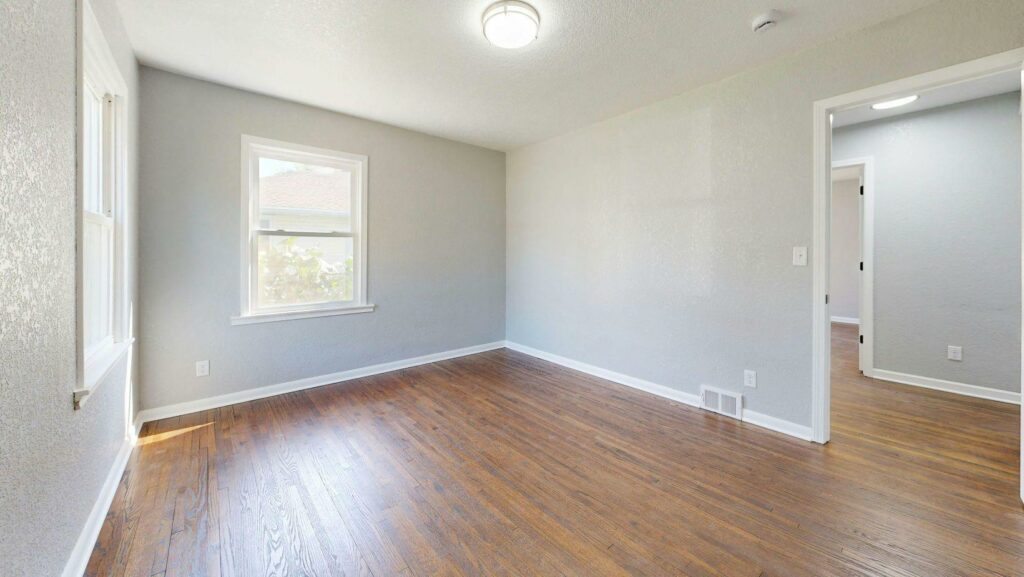
One of the most influential elements is what you feel underfoot. Natural materials, particularly timber, anchor a room emotionally. Finishes likefrench oak floors subtly signal warmth, durability, and authenticity, setting the tone for everything else around them without demanding attention.
Warmth Is More About Feeling Than Temperature
When people describe a home as “warm,” they’re rarely talking about heat. They’re describing how the space makes them feel. Emotional warmth comes from familiarity, balance, and comfort — not from turning the thermostat up.
Homes that feel inviting tend to:
This sense of ease allows people to settle in quickly. There’s no visual noise demanding constant attention.
Natural Light Sets the Emotional Baseline
Light is one of the first things your brain processes when you enter a room. Soft, well-distributed natural light instantly makes a space feel healthier and more welcoming.
Inviting homes usually:
Warmth increases when light enhances surfaces instead of flattening them. This is especially noticeable on natural materials, where grain, texture, and tone subtly shift throughout the day.
Texture Makes a Space Feel Lived-In
Perfectly smooth surfaces might photograph well, but they often feel sterile in real life. Texture introduces variation, which makes spaces feel human and approachable.
This can come from:
Texture doesn’t need to be dramatic. In fact, the best results usually come from restraint. When texture is layered quietly, the room feels comfortable rather than styled.
Colour Choices Influence Mood More Than Style
Warm, inviting homes tend to rely on a narrower, calmer colour palette. That doesn’t mean everything is beige — it means colours relate to one another.
Effective palettes often:
When colours flow naturally, the home feels cohesive. There’s no visual friction as you move from space to space, which creates a sense of calm continuity.
Proportion and Spacing Reduce Mental Clutter
A room doesn’t need to be large to feel inviting, but it does need to feel balanced. Overcrowding, oversized furniture, or awkward layouts subtly create tension.
Homes that feel welcoming usually:
Breathing room matters. When a space feels easy to navigate, your body relaxes without conscious effort.
Sound and Softness Play a Quiet Role
Acoustics are often overlooked, but they significantly affect how a home feels. Hard surfaces bounce sound around, making rooms feel sharper and more exposed.
Inviting spaces tend to include:
These elements don’t just affect noise — they create a sense of softness that reinforces emotional comfort.
Familiarity Creates Instant Ease
Homes that feel welcoming often use materials and layouts that feel recognisable, even if the design itself is modern. Familiarity reduces the mental effort required to understand a space.
This might show up as:
When a space doesn’t demand explanation, people feel more at ease within it.
Why Overdesign Can Have the Opposite Effect
It’s possible to do too much. Homes that chase trends aggressively or stack too many “statement” elements can feel impressive but uncomfortable.
Overdesigned spaces often:
Warmth comes from coherence, not spectacle. When everything is trying to stand out, nothing feels grounding.
Small Details Carry Emotional Weight
Often, it’s the smallest details that tip a home from pleasant to genuinely inviting. Door handles that feel solid, light switches placed intuitively, or finishes that respond well to touch all contribute to comfort.
These details:
When a home works effortlessly, people notice — even if they can’t articulate why.
The Common Thread: Intentional Simplicity
Homes that feel warm and inviting rarely rely on one standout feature. Instead, they succeed through a collection of thoughtful, restrained decisions that prioritise comfort over attention.
Warmth is created when materials feel honest, spaces feel balanced, and nothing fights for dominance. The result is a home that welcomes you quietly, does its job without fuss, and makes you want to stay a little longer — from the very first step inside.