
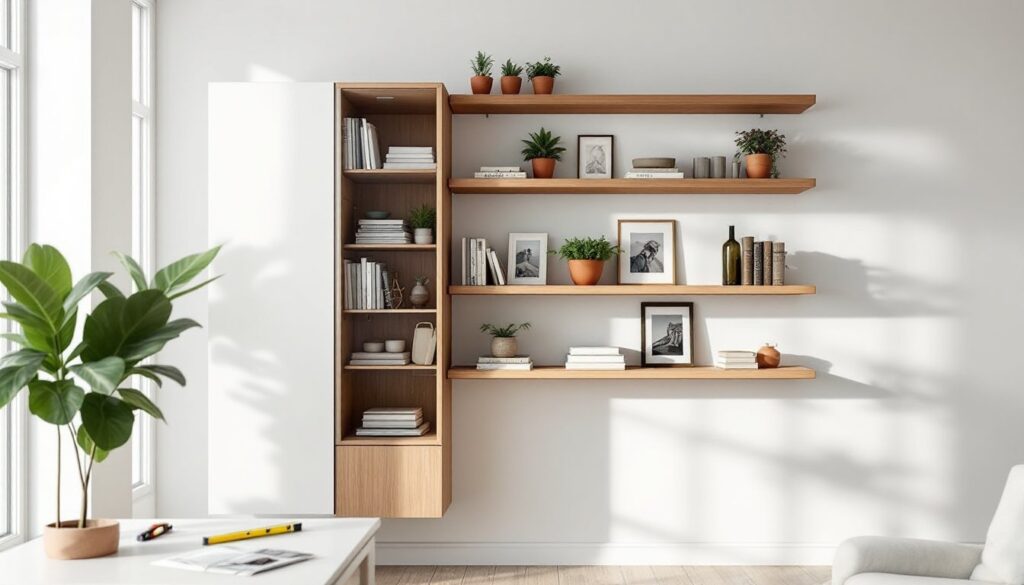
Clutter creeps in quietly. Before homeowners realize it, closets overflow, garages turn into storage units, and living spaces shrink. Vertical storage solutions fix this problem without requiring a bigger house. By using wall space and tall cabinets instead of floor real estate, anyone can reclaim a room’s usability while keeping everything within arm’s reach. Whether tackling a cramped bedroom, kitchen, garage, or home office, vertical storage systems offer practical ways to organize without eating into the square footage people actually live on. The right approach depends on the space, budget, and what needs storing, but the payoff is always the same: more room to breathe.
Key Takeaways
- Vertical storage solutions eliminate floor clutter by utilizing wall space, allowing homeowners to reclaim living room without expanding their home’s footprint.
- Wall-mounted shelves, tall cabinets, and pegboard systems each serve different needs—light floating shelves for décor, heavy-duty racks for tools, and closed cabinets to hide bulk items.
- Proper installation requires finding wall studs, using appropriate anchors for your wall type, and a level to ensure shelves are straight and safe for intended loads.
- Vertical storage improves workflow efficiency; kitchen utensils on pegboards and garage tools on racks stay organized and within arm’s reach versus buried in drawers.
- Choose your vertical storage system by measuring available wall space, assessing what you’re storing, considering wall construction, and matching your budget with installation complexity.
Why Vertical Storage Matters for Modern Spaces
Horizontal storage eats up floor space. A dresser takes up 20 square feet on the ground: a wall of shelves above a desk adds zero. That’s the math behind vertical storage. Modern homes are smaller, apartments tighter, and homeowners are tired of stepping around things. Vertical storage also improves workflow. Kitchen utensils hung on a pegboard are faster to grab than digging through a drawer. Garage tools on wall racks stay organized instead of rolling across the floor. Even in closets, tall shelving and hanging systems let people see and access everything without excavating buried piles. Beyond efficiency, vertical storage systems look intentional. A clean wall with organized shelves reads as purposeful design, not emergency overflow. This matters whether someone’s hosting guests or simply wanting to feel less cramped in their own home. Smart vertical storage also adapts as needs change, shelves adjust, hooks swap out, and systems expand without requiring a full overhaul.
Types of Vertical Storage Systems
Vertical storage isn’t one-size-fits-all. Different systems suit different spaces and loads. Understanding the options helps narrow down what actually works.
Wall-Mounted Shelving and Racks
Wall-mounted shelves are the backbone of vertical storage. They range from simple floating shelves to industrial-duty steel racks. Floating shelves look clean and minimalist: they hide the brackets inside the wall. They work best for light to medium loads, books, plants, decorative items, or small kitchen supplies. Heavy items (power tools, dense textbooks, cast-iron cookware) need stronger support. For those loads, open shelving systems with visible brackets or ladder-style frames handle the weight better. Steel or reinforced plywood shelves rated for 100+ pounds per shelf work well. Pegboards are affordable and flexible: hooks and baskets hang on them and can be rearranged anytime. They’re ideal for garages, workshops, and office walls. Wall-mounted racks come in styles: grid panels, tube racks, and basket systems. They’re good for items used frequently, tools, kitchen spices, or hobby supplies. Installation matters: shelves must anchor into wall studs or use heavy-duty wall anchors rated for the shelf’s weight. Drywall alone won’t support a 50-pound shelf for long.
Tall Cabinets and Closet Solutions
Cabinets maximize vertical space while hiding clutter. Tall pantry cabinets or narrow garage storage cabinets stand 6–8 feet high and take up minimal floor footprint. They work for kitchens, laundry rooms, garages, and bedrooms. Unlike open shelves, cabinets keep dust and moisture off stored items. Inside, adjustable shelves let homeowners customize spacing for different items. Closet rod systems with double-hang rods (one rod above the other) double hanging space for shorter items like shirts and jackets. Over-the-door organizers use dead space on closet or pantry doors. Shoe racks, clear pockets, and hooks hang dozens of items on a single door. Shelving units inside closets (wire, wood, or metal) stack items vertically without wasting the room’s footprint. Most closet systems mount to walls or the existing closet structure, so installation is straightforward for a second pair of hands.
How to Choose the Right Vertical Storage for Your Space
Choosing the right system requires honest assessment. First, measure the wall space, height, width, and depth available. A garage wall might have 8 feet of height and 12 feet of width: a bedroom closet is narrower and shallower. Second, weigh what’s being stored. Books are heavy: decorative items aren’t. Kitchen items need easy access: seasonal decor can stay tucked away. Third, consider the wall type. Studs in a standard wall sit 16 inches on center (check with a stud finder if unsure). Plaster, tile, or concrete require different anchors than drywall. Load-bearing considerations matter: a wall of 100 shelves holding heavy items puts real stress on the structure. Most walls handle it fine, but excessive weight above doorways or in older homes may warrant a look from a structural pro. Fourth, think about aesthetics. Exposed shelving looks intentional if styled well but requires neat, attractive items. Cabinets hide mess but take up visual weight. Some homeowners mix both: closed storage for bulk items, open shelves for display. Finally, check the budget and installation complexity. Simple floating shelves cost less but need precision drilling. Cabinet systems cost more but install faster with clear instructions. Pegboards sit in between: cheap, flexible, and moderately involved to install.
Installation and Maintenance Tips
Installation is where most vertical storage projects succeed or stumble. Prep work is non-negotiable. Use a level (a 2-foot or 4-foot model works well) to ensure shelves sit straight. Crooked shelves look sloppy and items roll or slide. Mark stud locations with a pencil: drill pilot holes to prevent the wall from cracking. For shelves hitting studs, use wood screws (3-inch screws into studs hold heavy loads). For drywall between studs, use heavy-duty anchors rated for the load. A single cheap plastic anchor won’t cut it: choose toggle bolts, molly bolts, or expansion anchors that match the shelf weight. Measure twice, drill once, miscalculations mean patching holes later. For cabinet installation, assemble units fully before mounting, especially tall pieces. A 7-foot cabinet is awkward to wrench into position solo: recruit a helper. Shim the base and top to ensure it’s plumb (perfectly vertical) before securing. Use a level constantly during assembly. For closet systems, follow manufacturer instructions exactly. Wire shelving clips and bracket positioning matter more than they seem. Maintenance keeps vertical storage functional. Dust shelves monthly, dust buildup looks dingy and attracts pests in some cases. Check anchors yearly, especially in high-moisture areas like bathrooms or laundries. Humidity causes wood to swell slightly: shelves may shift. Tighten screws if they’ve worked loose. Reorganize stored items seasonally: getting them out and reshelving prevents inventory stagnation and catches any damage. If items settle or lean, adjust shelf brackets or redistribute weight. Simple fixes now prevent avalanches later.
Conclusion
Vertical storage transforms cramped spaces into organized, functional rooms without requiring renovation or permits. The key is matching the system to the space, load, and use, no guessing. Proper installation and honest prep work separate successful projects from frustrating ones. Start small if unsure: a single wall-mounted shelf or pegboard proves the concept before committing to full-wall systems. With the right approach, unused wall space becomes the most valuable real estate in the home.