
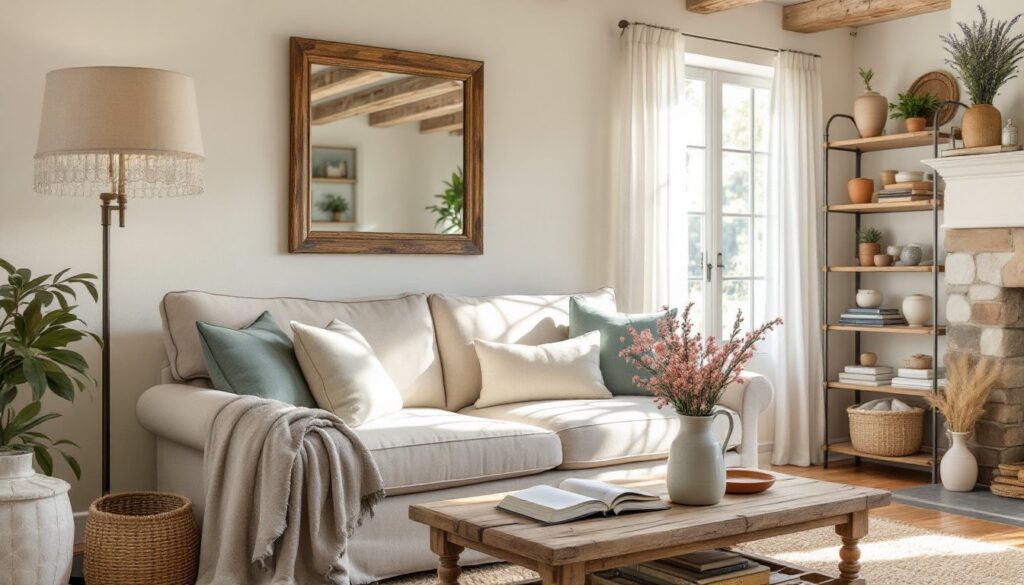
Cottage interior design is rooted in warmth, authenticity, and lived-in comfort. Unlike trendy styles that date quickly, the cottage aesthetic stands the test of time by prioritizing genuine coziness over flashy décor. Whether someone is building a cottage from scratch or transforming their current home into a cozy retreat, the design approach remains consistent: layer soft textures, choose materials that age beautifully, and create spaces that feel welcoming. This guide walks through seven practical cottage interior design ideas that anyone can carry out, from color selection to furniture choices, without requiring professional help or breaking the budget.
Key Takeaways
- Cottage interior design prioritizes warmth and authenticity by combining soft neutral color palettes (warm whites, creams, soft grays) with natural materials that age gracefully, creating timeless spaces over trendy décor.
- Natural textures and materials—exposed wood, reclaimed flooring, jute rugs, and woven baskets—are foundational to cottage aesthetics and can be incorporated gradually without major renovations or large budgets.
- Vintage and antique furnishings add character and history to cottage interiors; shopping secondhand aligns with the style’s sustainability values while allowing you to mix aged pieces with new furniture for balance.
- Layered, warm lighting from multiple sources (table lamps, wall sconces, dimmer switches, and candles) creates inviting ambiance essential to cottage design without relying on modern overhead fixtures.
- Floral patterns and botanical elements work best when restrained and cohesive, using soft colors and fresh or dried flowers to enhance coziness without overwhelming the space.
- Functional storage solutions like open shelving, vintage armoires, woven baskets, and labeled jars celebrate organization as both practical and beautiful, preventing clutter while maintaining cottage charm.
Embrace Soft, Neutral Color Palettes
The foundation of cottage design rests on a soft, muted color scheme. Walls should anchor the space with warm whites, cream, soft grays, or pale taupe, colors that reflect natural light and create a calm backdrop for layered furnishings. These neutral base tones aren’t boring: they’re intentional. They let textures, patterns, and aged wood become the focal points instead of fighting for attention with bold wall colors.
When selecting paint, consider the room’s natural light exposure. A north-facing bedroom might benefit from a warmer white (adding slight yellow or tan undertones), while a bright south-facing living room can handle cooler, creamier whites without feeling cold. Stick with matte or eggshell finishes, they diffuse light more gently than glossy finishes and hide surface imperfections better, which fits the cottage aesthetic of relaxed authenticity.
Accents should remain muted too. Instead of bright primary colors, introduce soft sage green, dusty blue, or warm terracotta in textiles and accessories. These deeper neutrals add visual interest while maintaining the calm, cohesive feel cottage design demands. The color palette should whisper, not shout.
Incorporate Natural Materials and Textures
Cottage interiors thrive on natural, tactile materials that show age gracefully. Exposed wood beams, reclaimed wood flooring, and whitewashed shiplap are signatures of the style, but anyone can work with what they have. If replacing flooring isn’t feasible, add texture through area rugs in jute, sisal, or wool, materials that age well and add warmth underfoot.
Wood furniture and accents should be the backbone of the cottage home. Look for solid wood tables, chunky shelving, and wooden frames rather than veneers or particleboard. The imperfections, knots, color variations, signs of wear, are features, not flaws. Paint or stain options should lean toward soft whites, warm grays, or natural finishes that let the wood grain show through.
Layered textures complete the picture. Mix linen, cotton, and wool in soft furnishings: incorporate woven baskets for storage: add wool throws over seating. Stone accents like a fireplace surround, slate flooring, or pebble-filled mason jars introduce earthy elements without requiring major renovation. The goal is to create surfaces that feel good to touch and look like they’ve been collected over time, not purchased as a matching set.
Choose Vintage and Antique Furnishings
Cottage design celebrates history and character, making vintage and antique pieces essential rather than optional. These don’t need to be expensive or museum-quality: a thrifted wooden dresser, a vintage metal sign, or an old ladder repurposed as decor tells a story that new furniture cannot.
Shopping secondhand, at estate sales, antique markets, thrift stores, or online resale platforms, aligns perfectly with cottage values of sustainability and authenticity. Look for solid wood construction, original hardware, and pieces with honest patina. A piece doesn’t need to be pristine: slight wear, chipped paint, or a wobbly leg can be charm if the bones are sound.
Mix vintage pieces with new furniture to avoid a cluttered or museum-like feel. A vintage wooden table pairs well with newer simple chairs: an antique mirror hangs above a contemporary dresser. The key is balancing aged character with functional comfort. If a thrifted sofa needs reupholstering, consider it an investment in durability and personalization, choosing natural linen or wool fabric in soft tones keeps it cottage-appropriate while making it practical for daily use.
Layer Soft Lighting for Ambiance
Cottage interiors depend on layered, warm lighting that feels inviting rather than clinical. Overhead fixtures should be soft and diffused, consider warm-white LED bulbs (2700K color temperature) rather than bright daylight tones. Avoid exposed bright ceiling lights: instead, choose fixtures with fabric shades, frosted glass, or brass details that warm the light and soften shadows.
Layering means combining multiple light sources at different heights. Table lamps on side tables, floor lamps in corners, wall sconces flanking a mirror, and pendant lights over a kitchen island create depth and allow flexible illumination for different times of day. Dimmer switches on key fixtures let inhabitants adjust mood without installing new hardware.
Incorporate ambient lighting through candles, real or high-quality flameless, and string lights in bedroom corners or on screened porches. These touches add nostalgia and coziness that perfectly complement cottage design. Avoid recessed downlighting common in modern homes: instead, focus on fixtures that sit on surfaces or mount to walls where light can be controlled and softened.
Add Floral Patterns and Botanical Elements
Floral motifs are intrinsic to cottage design, but they work best when restrained and cohesive. Rather than mixing every floral print available, choose a limited palette of patterns, perhaps one larger-scale floral for curtains or an upholstered headboard, paired with a smaller-scale print in pillows or a rug. Stick to soft colors: dusty pinks, sage greens, cream, or soft blues that match the neutral base palette.
Botanical elements extend beyond fabric patterns. Fresh flowers in simple glass jars or ceramic pitchers brighten tables and windowsills without requiring elaborate arrangements. Dried flowers, lavender bundles, or pressed botanicals in simple frames add permanence and texture. Potted herbs on kitchen windowsills serve dual purposes, they’re functional and decorative.
Wallpaper can work in cottage design if chosen carefully. Small-scale florals or delicate damask patterns in soft colors, applied to a single accent wall or even just the ceiling, add character without overwhelming. If using wallpaper, pair it with plain painted walls elsewhere to avoid visual chaos. The floral element should enhance the space’s coziness, not dominate it.
Create Functional Storage Solutions
Cottage design celebrates organization that’s both practical and beautiful. Open shelving displays everyday items, dinnerware, linens, books, in an intentional, curated way rather than cramming everything behind closed doors. A wooden bookshelf filled with books, small plants, and vintage objects becomes a focal point when styled thoughtfully.
Closed storage matters too. Vintage armoires, cupboards, and dressers hide clutter while adding character. Woven baskets tucked under tables or inside shelving conceal blankets, toys, or household supplies: they’re functional and texture-rich. Pegboards painted soft white or cream can organize kitchen tools, craft supplies, or entryway necessities with a charming, farmhouse feel.
Labeled glass jars in a pantry, a wooden ladder in a blanket corner, or vintage trunks at the foot of a bed integrate storage seamlessly into design. The cottage aesthetic doesn’t hide function: it celebrates it. Proper storage prevents the cluttered, chaotic look that undermines the cozy, organized feel cottage design aims for. Everything should have a place, and that place should be accessible and visible.
Conclusion
Creating a cottage interior doesn’t require expensive renovations or starting from scratch. By embracing neutral colors, natural materials, vintage finds, soft lighting, botanical touches, and thoughtful storage, anyone can transform their space into a warm, inviting retreat. The beauty of cottage design is its flexibility, each element can be introduced gradually, gathered intentionally, and personalized to reflect the inhabitant’s life and story. Start with one room, one principle, and let the cozy aesthetic grow naturally.