
Texture Interior Design: Enhancing Spaces with Depth and Character
When we think of interior design, we often picture colors, layouts, and furniture. But let’s not forget the marvelous world of texture. It’s that magical ingredient that gives our spaces personality and warmth. Picture walking into a room that feels like an embrace, where the walls, cushions, and accents invite us in with their rich feel. In this text, we’re diving into the enticing realm of texture in interior design, exploring how it can elevate our homes from ordinary to extraordinary. So grab your design hat and let’s weave some texture into our lives.
Understanding Texture in Interior Design
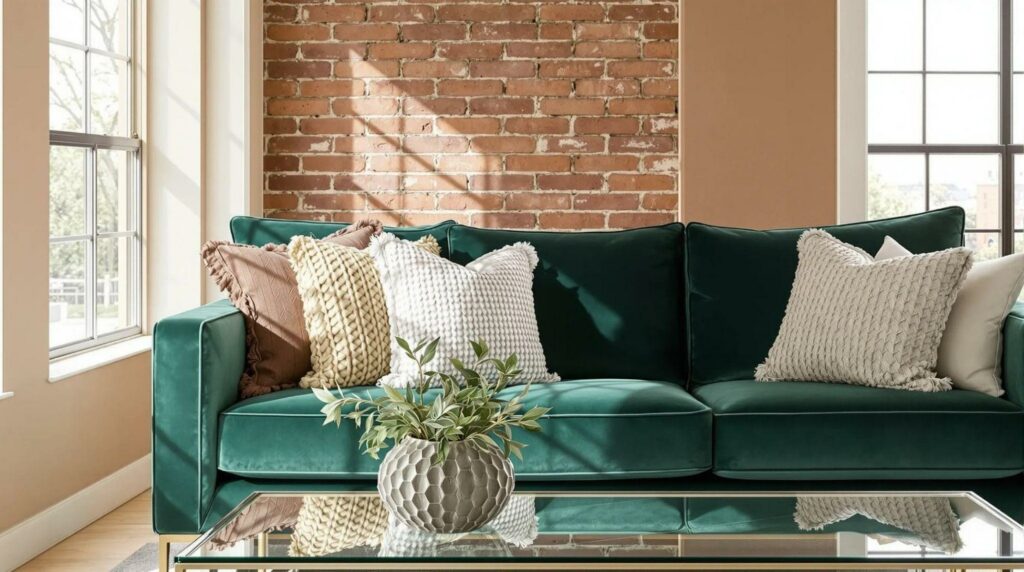
Texture is more than just a surface trait: it’s a crucial component that influences how we perceive a space. It refers to the feel or appearance of a surface, which can be tactile or visual. We flirt with different textures every day, from the soft pillow that cradles our head to the rough brick wall in our living room. If we think about it, every element we incorporate brings not only design but also emotion into our environment. Textures can evoke comfort, luxury, or even playfulness. Eventually, they are essential for creating depth and interest in our interiors.
Types of Textures in Interior Design
Understanding the various types of textures helps us create spaces that resonate with our desires. Here are some main categories:
1. Tactile Textures
These are the textures we can touch. Think of that plush velvet sofa or the sleek coolness of a marble countertop. Tactile textures add a sensory layer, enhancing our physical experience in a space.
2. Visual Textures
Even if we can’t touch it, visual textures still have a big impact on how a room feels. Wallpaper with intricate patterns or painted walls that mimic natural textures, such as wood or stone, can change the perception of a space dramatically.
3. Natural Textures
Materials like wood, stone, and plants provide an organic touch. Bringing the outdoors inside encourages warmth and harmony, creating an inviting atmosphere.
4. Artificial Textures
Synthetic materials like vinyl and certain textiles can emulate natural textures while offering durability. They’re often used where maintenance is key without sacrificing style.
Exploring these textures opens a world of design possibilities.
The Role of Texture in Creating Ambiance
Let’s chat about how texture works its magic in creating ambiance. Imagine entering a space that feels like a cozy hug, perhaps that’s thanks to soft fabrics and warm wood finishes. On the flip side, a sleek, modern room adorned with metal and glass can evoke a completely different vibe, making it feel airy or even futuristic.
Textures influence light reflection as well. Matte finishes absorb light, while glossy surfaces reflect it. By manipulating textures, we guide the mood of the room, soft for serenity or bold for drama. As we layer various textures, we create a dialogue among elements that results in a richer experience.
Incorporating Texture into Your Interiors
Now that we’ve grasped the concepts, how do we incorporate texture into our own spaces? Here are some practical tips:
Layering: Just like an outfit, layering textures can create depth. Start with a foundational texture, like a woven rug, then add different materials: silky curtains, a chunky knit throw, or a smooth coffee table.
Contrasting Textures: Pairing different textures can create a dynamic look. Consider mixing a rough wood table with sleek metal chairs to achieve a balanced feel.
Accent Pieces: Not ready for a full overhaul? Start small with textured accessories. Unique cushions, textured vases, or a statement art piece can instantly elevate a room.
Texture in Decor: Wall art, framed fabrics, or even textured paint can serve as focal points, bringing intrigue to our walls without overwhelming them.
Common Mistakes to Avoid with Texture
While we want to embrace the beauty of texture, it’s crucial to avoid common pitfalls. Here are a few missteps to watch out for:
Overloading on Textures: Too many textures can create chaos. Instead, aim for a harmonious balance that feels curated rather than cluttered.
Ignoring Scale: Consider the scale of your textures in relation to the room. Large-textured pieces in a tiny space can overpower it, while small textures in a grand room may get lost.
Choosing Passé Textures: Trends come and go. While it’s okay to experiment, sticking with timeless textures ensures longevity and classic appeal.
Neglecting Functionality: Don’t forget about practicality. Too much fluffiness in high-traffic areas may invite chaos rather than comfort.