
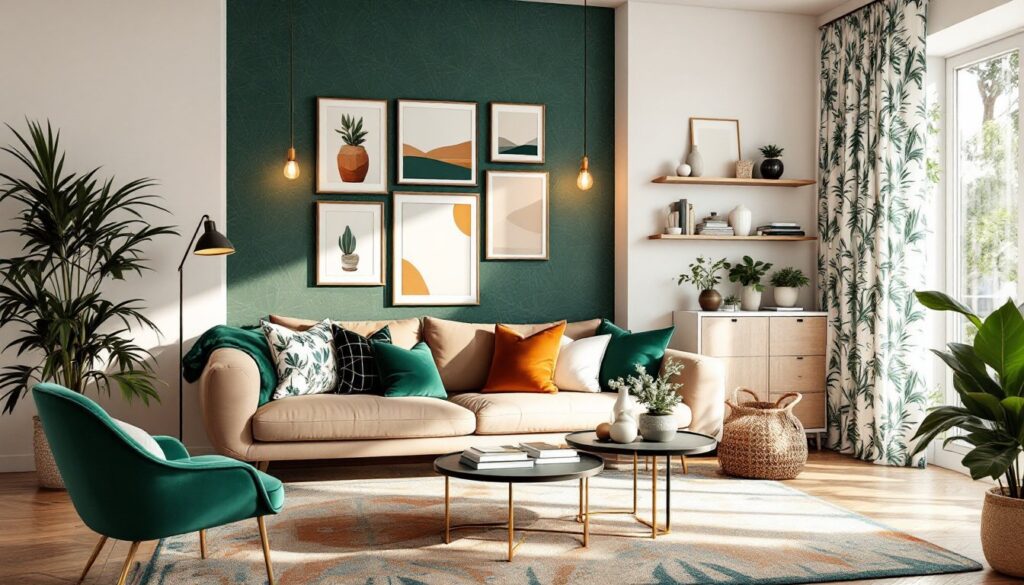
Modern maximalism is having a major moment in 2026, and it’s nothing like the sterile, minimal aesthetic that dominated the last decade. This design approach celebrates abundance, color, pattern, and personality, but with intention and restraint. It’s maximalism with an edit button, where homeowners curate bold collections and layered textures without descending into visual overwhelm. For DIYers ready to move beyond bland neutrals, modern maximalism offers a refreshing framework: fill your space with what you love, but do it strategically. This guide walks through the core principles, practical balance techniques, and actual design elements homeowners can carry out right now.
Key Takeaways
- Modern maximalist interior design celebrates curated abundance and bold color choices with intentional restraint, allowing homeowners to display meaningful collections without visual overwhelm.
- Anchor a maximalist space with one or two large pieces—such as a gallery wall, statement wallpaper, or bold-colored furniture—then layer patterns and colors strategically around it for cohesion.
- Create visual breathing room by designating at least one rest wall in solid color, incorporating neutral furniture pieces, and using height variation to prevent crowded rooms from feeling cramped.
- Start your modern maximalism transformation with low-commitment projects like removable wallpaper, paint in jewel tones or warm terracottas, layered textiles, and gallery walls to build personality without overwhelm.
- Balance pattern scale and color zones by grounding the room with warm accent lighting (2700K bulbs), grouping related items into defined zones, and alternating between visually dense and sparse displays.
- Modern maximalist design works best for DIYers who combine personality-driven collections with intentional editing, making every piece—from inherited art to sculptural lighting—serve a clear narrative.
What Is Modern Maximalist Interior Design?
Modern maximalism strips away the “more is more, excess for excess sake” vibe of 1980s postmodernism and replaces it with curated abundance. Think: layered, intentional, and unapologetically colorful, but with a clear narrative. Where traditional minimalism says “less is more,” modern maximalism says “more is better when it means something.”
The difference between modern maximalism and chaotic clutter is purpose. A maximalist space tells a story. Every color choice, pattern, and collected piece exists because the inhabitant values it, whether that’s inherited art, vintage finds, sculptural lighting, or bold wallpaper. The space feels full without feeling suffocating because the abundance is thoughtfully arranged, not haphazard.
This approach works particularly well for DIYers who’ve been stuck between “I like my stuff” and “interior design rules say I shouldn’t display it.” Modern maximalism gives permission to break the matchy-matchy, minimal-accent rule and instead celebrate eclectic taste.
Key Principles of Modern Maximalism
Modern maximalism rests on a few non-negotiable rules that prevent it from tipping into visual chaos.
First: intentional restraint within abundance. Choose a primary color palette, say, jewel tones with gold accents, or warm terracottas with deep greens, and layer within it rather than adding random colors. This creates cohesion even when the room is visually busy.
Second: anchor the space with one or two large pieces. A gallery wall of art, a bold patterned area rug, a statement wallpaper feature wall, or upholstered furniture in a strong color serves as the visual backbone. Everything else builds around it.
Third: balance pattern scale. If the wallpaper is small-scale geometric, pair it with larger botanical prints. Large patterns need smaller accent patterns to breathe.
Fourth: proportion matters. A small bedroom with floor-to-ceiling wallpaper and layered textiles works. A 12-by-12-foot room packed with furniture, shelving, art, and heavy window treatments becomes oppressive. Vertical space and negative (empty) wall space are still important, they let the eye rest.
Color and Pattern Play
Color in modern maximalism is the anchor. Rather than playing it safe with one accent wall, maximalists commit: they wallpaper multiple walls, paint trim in contrasting colors, or choose bold upholstery as the foundation. A popular 2026 approach is color-blocking, distinct zones of solid, saturated color (a jewel-tone emerald green wall meets a marigold yellow wall with a clear edge) that creates structure within abundance.
Pattern layering follows the same logic. A patterned rug anchors the room. Add a patterned throw pillow or two on solid-colored furniture. Then introduce a subtle geometric or botanical element through curtains or artwork. The key is hierarchy, the rug pattern dominates, pillow patterns are secondary, and curtain patterns are accents.
For DIYers, start with removable wallpaper or paint. Neither requires a permit, and both create dramatic impact with low commitment risk. High-quality peel-and-stick wallpaper has improved significantly: brands like Spoonflower and Chasing Paper offer custom and designer options that stick cleanly and remove without damage. Alternatively, a coat of high-quality latex paint (eggshell or satin finish for washability) in a bold color is a weekend project.
Curating Art and Collections
Modern maximalism is built on the curator’s mindset. A gallery wall of 9 to 16 pieces, drawings, photographs, framed textiles, 3D objects, displayed salon-style (salon wall), clustered, or in a grid creates visual weight and tells a story. The unifying factor might be a shared frame color, theme, or simply the curator’s taste.
Beyond walls, collections shine in maximalist spaces. Open shelving displays books, ceramics, plants, and objects. A bookcase isn’t just for books: it’s a stage. Group items by color, alternate spines-out and spines-in books, and tuck small sculptures or candlesticks between volumes. Collections signal identity and make the space feel lived-in rather than decorated.
For renters or those avoiding permanent installation, lean artwork and prints against walls on ledges, windowsills, or shelving. Propped frames feel intentional in maximalist design: they read as temporary curation rather than haphazard clutter. Wall-mounted shelving (which requires anchors into studs, verify stud location with a stud finder and use appropriate wall anchors for load capacity) displays collections without committing to dedicated wall space.
Creating Balance in a Maximalist Space
The secret to modern maximalism that works is visual breathing room. Maximalism fails when every surface is covered, every wall is patterned, and there’s nowhere for the eye to rest.
Start by designating at least one wall as a rest wall, solid color, minimal decor, or blank space. This anchor quiets the room visually. Similarly, one piece of large-scale furniture in a neutral or solid color (a beige sofa, a black media console, or natural wood shelving) provides grounding when everything else sings.
Height variation is equally critical. If all furniture is low and all art is eye-level, the space feels flat. Layer by height: tall floor plants in corners, wall art at varying heights, floating shelves, and varied furniture legs (some furniture sits low, some sits on legs creating visual lightness). This creates dimension and makes crowded rooms feel less cramped.
Lighting also plays a huge role. A maximalist room with harsh overhead lighting and no layered lighting feels garish. Add warm accent lighting: brass or warm-white LED bulbs in table lamps, wall sconces, or pendant lights. Warm light softens saturated colors and makes pattern-heavy spaces feel intimate rather than overwhelming.
Finally, group related items and establish zones. A reading nook with clustered furniture and a defined color scheme reads as intentional: random placement of eclectic pieces reads as chaotic. Rugs define zones, furniture groupings establish destinations, and color clustering (all warm tones in one corner, cool tones in another) creates logic in abundance.
Modern Maximalist Design Elements to Get Started
For DIYers ready to experiment, here are actionable starting points:
Wallpaper or Paint: Choose one feature wall in a bold color or pattern. A jewel-tone wallpaper, geometric print, or rich paint color is the visual anchor. Pair it with solid-colored walls elsewhere to avoid sensory overload.
Layered Textiles: Introduce multiple textures through curtains, rugs, throws, and pillows. A patterned area rug (8×10 is typical for living rooms), paired with solid-color upholstery and patterned throw pillows, creates depth without chaos. Mix textures: linen, velvet, wool, and cotton coexist comfortably.
Gallery Wall or Lean Art: Assemble 9 to 12 pieces, prints, framed photos, artwork, and either arrange and hang them or prop them temporarily. This becomes the room’s focal point.
Open Shelving Display: Install floating shelves (use sturdy wall anchors rated for the weight you’re displaying) or repurpose an existing bookcase as a styled display zone. Organize by color, alternate display densities (full shelf, then sparse shelf), and mix books, objects, and plants.
Statement Lighting: Swap standard pendant lights or ceiling fixtures for bold brass, sculptural, or colored fixtures. Warm bulb temperature (2700K) is crucial for making bold colors feel inviting.
Accent Furniture: A velvet armchair in emerald, a patterned ottoman, or upholstered headboard in a statement fabric becomes a conversation piece and anchors the maximalist aesthetic without requiring renovation.
Conclusion
Modern maximalism in 2026 proves that you don’t have to choose between personality and restraint. By anchoring a space with intentional color and pattern, curating meaningful collections, and maintaining pockets of visual quiet, homeowners create rooms that feel both bold and balanced. Start small, one feature wall, one gallery wall, one layered textile moment, and build from there. The beauty of this approach is that it’s forgiving: every piece serves the larger narrative, and editing is always possible.