
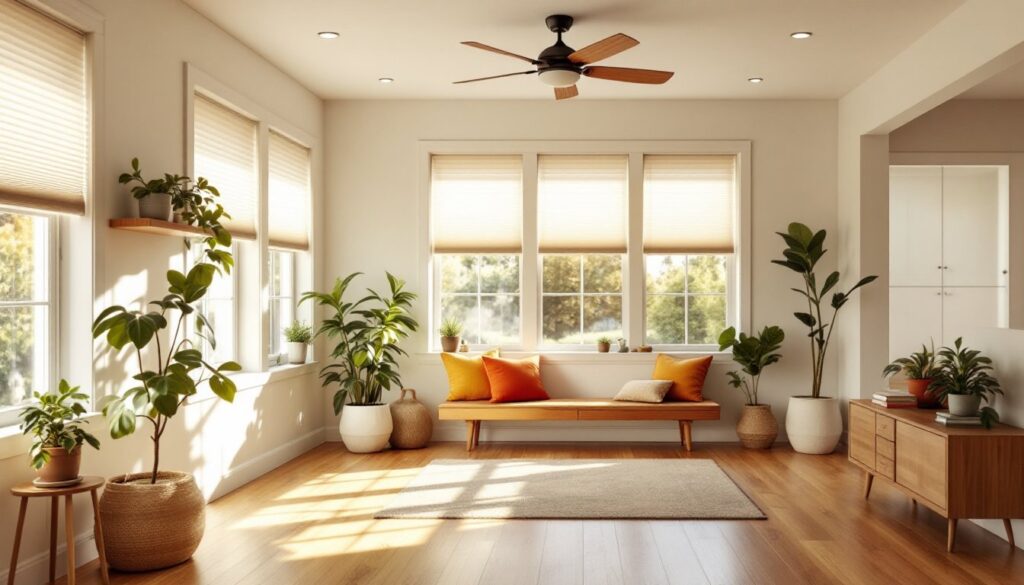
Homeowners are waking up to a simple truth: the spaces we live in directly impact both our wallets and the planet. Eco-friendly interior design isn’t a niche trend anymore, it’s become a practical choice that delivers real benefits. The good news? Building a sustainable home doesn’t mean settling for drab, utilitarian spaces or overhauling everything at once. Modern green materials, energy-efficient solutions, and thoughtful design choices let homeowners craft beautiful, comfortable interiors that align with environmental values. Whether tackling a single room or a full renovation, the strategies covered here show how to prioritize sustainability without very costly or your design vision.
Key Takeaways
- Eco-friendly interior design reduces household energy consumption by 20–40% annually while improving air quality and long-term property values without sacrificing style or comfort.
- Sustainable material choices like FSC-certified hardwood, bamboo, cork, and low-VOC paints form the foundation of eco-conscious interiors, with reclaimed wood and natural finishes offering durability that pays dividends over decades.
- LED lighting uses 75–80% less energy than incandescent bulbs, while programmable thermostats, ceiling fans, and weatherstripping provide climate control savings of 10–50% annually with minimal installation costs.
- Start with one room using durable, long-lasting materials prioritized by lifespan—flooring over paint, paint over decor—to build momentum and avoid wasteful full-house overhauls.
- Buying secondhand furniture, choosing multifunction pieces, and DIY-ing accessible projects like painting and caulking stretch budgets while maximizing environmental impact.
Why Eco-Friendly Interior Design Matters Now
Indoor environments consume roughly 30% of global energy and generate significant waste through renovations, furniture disposal, and daily resource use. The connection between interior choices and environmental impact is tangible: toxic paint off-gassing harms indoor air quality, non-renewable flooring depletes resources, and energy-hungry lighting inflates utility bills year after year.
Beyond the environmental case, homeowners see immediate personal wins. Non-toxic materials improve air quality and reduce respiratory issues. Energy-efficient lighting and HVAC solutions cut utility costs by 20–40% annually in many climates. Sustainable furniture and finishes often last longer, meaning fewer replacements and less clutter over time. In 2026, green building standards like LEED and Living Building Challenge have become mainstream metrics that increasingly influence property values and resale appeal.
The mindset shift matters most: eco-friendly interior design means choosing intentionally, measuring twice, picking durable materials, and avoiding impulse purchases that end up in landfills. It’s not about perfection: it’s about progress.
Sustainable Materials That Transform Your Space
Material selection is the foundation of sustainable interior design. Unlike cosmetic upgrades, flooring, wall treatments, and finishes stay in place for decades, so getting them right pays long-term dividends.
Natural Flooring and Wood Alternatives
Hard flooring carries the largest environmental footprint in any interior project. Reclaimed hardwood salvaged from old barns or industrial buildings offers authentic character while keeping usable materials out of landfills. Expect to pay 30–50% more than new hardwood, but the durability and unique grain patterns often justify the premium.
Sustainably harvested engineered hardwood uses FSC (Forest Stewardship Council) certified timber with plywood or hardwood base layers, reducing solid wood consumption while maintaining authentic appearance. It’s more dimensionally stable than solid wood in humid climates, making it practical for kitchens and bathrooms.
Bamboo flooring grows back in 3–5 years (versus 20–30 for hardwoods) and provides comparable hardness to oak when strand-woven. Strand-woven bamboo is denser and more durable than traditional bamboo, though all bamboo can amplify sound, area rugs or underlayment help. Pricing sits between standard hardwood and premium options.
Cork and linoleum are underrated alternatives. Cork is naturally antimicrobial, warm underfoot, and comes from tree bark that regenerates. Natural linoleum (linseed oil, cork dust, wood flour on jute backing) resists stains and holds up well in high-traffic areas, don’t confuse it with vinyl, which is petroleum-based and not eco-friendly. Both cost $2–6 per square foot installed.
Stay clear of materials like virgin vinyl, laminate with formaldehyde binders, or hardwoods from unmanaged forests. Check documentation: sellers should provide FSC certification or salvage provenance.
Non-Toxic Paints and Finishes
Interior paint releases volatile organic compounds (VOCs) for months after application, degrading air quality and causing headaches, respiratory irritation, and other issues. Low-VOC or zero-VOC paints meet strict standards (< 50 g/L VOCs) and perform identically to conventional paints at similar prices ($30–50 per gallon).
Brands like Sherwin-Williams Harmony, Benjamin Moore Natura, and Behr Premium Plus Zero deliver excellent coverage and durability. A primer rated for low-VOC is essential: it seals stains and improves adhesion just like conventional primer but without the chemical off-gassing.
For wood stains and polyurethane finishes, water-based formulations (polyurethane or polycrylic) cure faster, smell less, and contain fewer solvents than oil-based counterparts. They’re slightly more expensive but worth it for nurseries, bedrooms, and occupied spaces. Application technique is the same: sand between coats, apply thin layers, and allow proper cure time.
Natural wax finishes (beeswax or plant-based oils) work beautifully on trim and raw wood but require more frequent maintenance than poly. Choose based on the room’s wear profile and your willingness to renew finishes every 1–2 years.
Energy-Efficient Lighting and Climate Control Solutions
Lighting and HVAC are the heaviest energy consumers in most homes. Strategic upgrades cut both consumption and costs without requiring major construction.
LED lighting now dominates for good reason: it uses 75–80% less energy than incandescent bulbs, lasts 15,000–50,000 hours, and comes in warm color temperatures that feel just as inviting as old-style bulbs. Retrofit costs are minimal, a basic LED bulb costs $1–3 and pays for itself within months. Smart switches and motion sensors in low-traffic areas (closets, garages) add another 10–15% savings.
Daylighting design reduces electrical lighting needs during daylight hours. Large south-facing windows with light shelves bounce natural light deeper into rooms. Interior paint in light colors amplifies natural light without artificial brightening. Skylights work in upper floors but require proper flashing to avoid leaks, this is a job for a roofer.
Climate control accounts for 40–50% of residential energy use. Programmable or smart thermostats automatically adjust temperature when nobody’s home or sleeping, saving 10–15% annually with zero lifestyle impact. Ceiling fans reduce cooling loads by circulating air, allowing thermostats to stay 2–4 degrees higher without discomfort. Window treatments, cellular shades or heavy thermal curtains, buffer heat loss in winter and solar gain in summer.
Weatherstripping and caulking seal air leaks around windows, doors, and baseboards: leaks squander heating and cooling faster than any other single factor. Expect $100–300 in materials and 1–2 days of DIY work for a typical home.
Upgrades like new HVAC units, insulation, or heat pumps are capital projects requiring professional installation and potential permitting. Consult an energy auditor (often available free through local utilities) to prioritize which upgrades deliver the fastest payback.
Building an Eco-Conscious Interior on Any Budget
Sustainability doesn’t demand deep pockets. Small intentional choices compound into meaningful environmental and financial gains.
Start with one room. Tackling a full house overhaul at once is overwhelming and wasteful. Pick a single bedroom, bathroom, or living space, invest in durable, low-impact materials, and let that success fund the next phase. One well-executed sustainable kitchen beats five half-finished rooms.
Prioritize materials with the longest lifespans. Flooring outlasts paint, paint outlasts furnishings. Money spent on quality hardwood or tile pays back over 20–30 years: splurging on trendy throw pillows doesn’t. Resist the impulse to refresh entire rooms seasonally.
Buy secondhand where it matters. Furniture, lighting fixtures, and decorative pieces from thrift stores, estate sales, or online marketplaces are already manufactured, no new production impact. Refinishing vintage wood furniture with non-toxic stain costs $50–150 and gives older pieces new life. Avoid secondhand upholstered items if you’re unsure about their history or flame-retardant chemicals.
Choose multifunction pieces. A bench with hidden storage replaces a bench plus a cabinet. Built-in shelving combines storage and visual interest more efficiently than modular furniture that eventually gets discarded. Measure carefully before purchasing anything: returns are wasteful.
DIY what you can, hire professionals for code-dependent work. Painting, staining, caulking, and weatherstripping are accessible to most homeowners with basic tools. Plumbing, electrical, load-bearing wall removal, and structural changes require licensed contractors and permits. Cutting corners on regulated work is neither safe nor sustainable.
Invest in quality basics over quantity of decor. Five well-chosen, durable pieces beat twenty items bought impulsively. Neutral base colors (whites, grays, warm earth tones) stay timeless and adapt as your preferences evolve, reducing the urge to redecorate constantly.
Conclusion
Eco-friendly interior design translates to spaces that feel better to live in while respecting the planet and protecting your long-term finances. It’s built on honest material choices, energy-smart solutions, and the discipline to buy less but choose better. Progress over perfection: every sustainable swap, a low-VOC paint job, bamboo flooring, LED lighting, moves the needle. Start small, plan thoughtfully, and let one successful project fuel the next.