
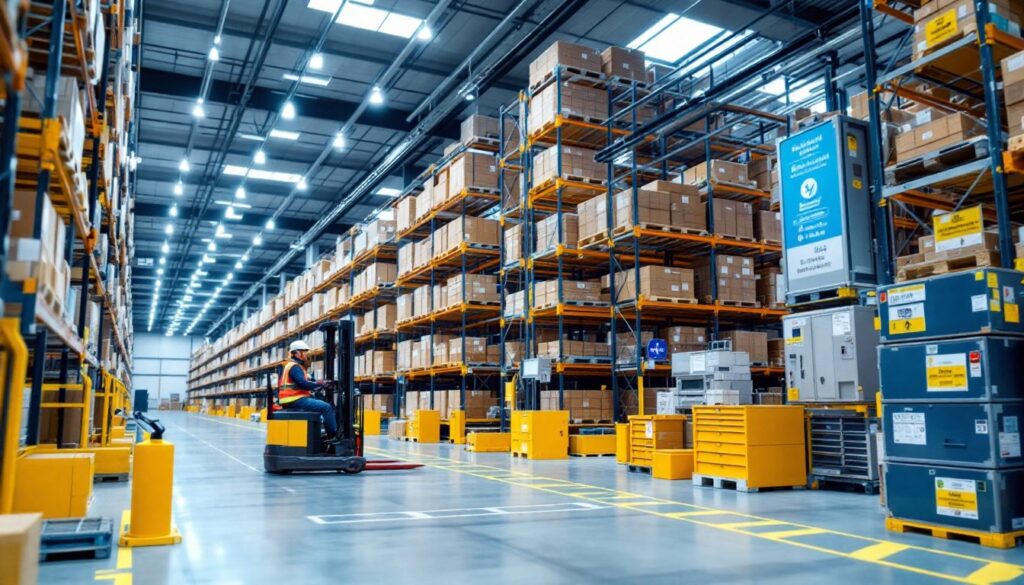
Running a business means managing inventory, supplies, and materials efficiently. Whether you’re operating a small workshop, retail shop, or warehouse, bulk storage solutions have become essential to staying competitive and keeping operations running smoothly. The right storage system doesn’t just save space, it cuts down on search time, reduces waste, improves safety, and makes your team more productive. In 2026, storage technology and organization strategies have evolved significantly, offering DIYers and business owners more options than ever. This guide walks through what bulk storage actually means, the main system types available, and how to pick the solution that fits your specific needs and budget.
Key Takeaways
- Bulk storage solutions maximize vertical space and inventory access while cutting search time and improving team productivity across workshops, warehouses, and retail operations.
- Warehouse pallet racking, container bin systems, and industrial metal shelving each serve different inventory types—choose based on item size, weight, access frequency, and available ceiling height.
- Implementing proper bulk storage delivers measurable benefits including improved inventory accuracy, reduced waste, enhanced safety compliance, and scalability as your business grows.
- Successful storage system selection requires auditing your inventory volume, measuring floor and ceiling space (minimum 12-foot ceiling height for pallet racking), and confirming local permits and fire codes before purchase.
- Plan a 20–30% capacity buffer for growth while maintaining realistic budgets ($150–$500 for shelving, $1,500–$3,000+ per pallet racking bay) and factoring in ongoing inspection and maintenance.
What Are Bulk Storage Solutions?
Bulk storage solutions are organized systems designed to hold, protect, and provide access to large quantities of inventory, materials, or supplies in a compact, efficient manner. Unlike casual stacking or cramped shelving, these systems are intentional infrastructure investments that maximize vertical and horizontal space while keeping items retrievable and safe.
At their core, bulk storage solutions serve three purposes: space optimization, inventory control, and workflow efficiency. A small manufacturer storing 50 pallets of raw material needs a different approach than a retail shop stocking seasonal overstock. The goal is matching the system to your volume, frequency of access, and available floor space.
Bulk storage isn’t just for warehouses anymore. Home workshops, garages converted to side businesses, retail backrooms, and service departments all benefit from dedicated storage infrastructure. The key difference between casual storage and a proper bulk system is intentional layout, standardized dimensions, and the ability to scale up or down as your business grows.
Types of Bulk Storage Systems
Warehouse Racking and Shelving
Warehouse racking is the backbone of large-scale storage. These heavy-duty systems hold pallets, cases, and bulk items vertically, freeing up floor space for workflow and movement. Standard pallet racking comes in adjustable bays, typically 36 to 48 inches wide per bay, with horizontal beams (called load beams) that support the weight.
The most common type is selective pallet racking, which allows access to every pallet without moving others. Each pallet sits on load beams at adjustable heights, usually spaced 12 inches apart. It’s straightforward and widely available, though less space-efficient than some alternatives.
Drive-in racking is tighter. Forklifts or pallet jacks drive into the structure, stacking pallets deeper than selective racking. This squeezes more inventory into the same footprint but means only accessing the nearest or farthest pallet per lane. It works well when you rotate stock predictably (FIFO, first in, first out, or seasonal rotation).
For smaller operations, industrial metal shelving units are affordable and simple. These are fixed or adjustable-height shelves (usually 18 to 48 inches wide, 12 to 24 inches deep) that hold smaller cases, bins, or boxes. They’re lower capacity than pallet racking but perfect for a garage workshop or retail stockroom.
Safety matters here: ensure racking is bolted to the floor if required by your local fire code and building regulations. Check weight limits on load beams, exceeding them causes catastrophic failure. Always use a level when installing, and inspect bolts and welds regularly.
Container and Bin Systems
If your inventory is smaller items, fasteners, parts, tools, craft supplies, dedicated bin systems make more sense than racking. Plastic storage bins range from small stackable units (6 × 4 × 4 inches) to large rolling bins (20 × 16 × 12 inches). They’re affordable, moveable, and label-friendly.
Tote bags and fabric containers are lighter and often collapsible, great for rotating seasonal stock. They stack efficiently and fit on wire shelving without damaging items underneath.
Open-front bin walls are popular in workshops and retail. These are wall-mounted or stand-alone metal frames with shallow plastic bins facing forward. You grab what you need without moving others. Standard bin walls hold 20 to 30 bins per panel, ideal for fasteners, office supplies, or small parts.
Drawer cabinets suit high-value or frequently accessed items. Metal or plastic drawers (numbered and labeled) keep things organized and dust-free. They cost more per cubic foot than open bins but protect contents and look professional.
Choose bins based on item size, weight, frequency of access, and how long items sit in storage. Fragile goods need cushioned or individual compartments. Heavy items need reinforced bottoms. Items accessed daily should sit at elbow height to avoid repetitive strain.
Key Benefits of Implementing Bulk Storage
A proper bulk storage system transforms operations in measurable ways. Time savings tops the list. When everything has a designated spot, labeling is consistent, and the layout is logical, staff find items in seconds instead of minutes. Over weeks and months, that compounds into hours of recovered productivity.
Space efficiency is equally critical. Vertical racking uses floor-to-ceiling height efficiently, often doubling or tripling storage capacity in the same footprint. This keeps your facility from expanding unnecessarily, cutting rent and utility costs.
Inventory accuracy improves dramatically. Organized systems make counting and auditing straightforward. You spot missing items, avoid re-ordering duplicates, and catch expired stock before it’s wasted.
Safety and compliance matter more than they seem. Bulky items stacked chaotically create tripping hazards and collapse risks. Organized racking distributes loads properly, secures tall stacks, and leaves clear pathways. Fire inspectors and OSHA auditors expect organized, compliant facilities.
Reduced waste and shrinkage follow naturally. When inventory is visible and logged, theft and accidental disposal drop. You rotate stock properly, use older items first, and waste less to spoilage.
Scalability is often overlooked. A modular racking system grows with your business. Add bays when demand increases: remove them if you downsize. This beats retrofitting a cramped space or outgrowing your facility every few years.
Choosing the Right Solution for Your Needs
Start by auditing your inventory. What’s the total volume? Pallet racking assumes you’re storing 40 × 48 inch pallets (standard US dimension), each weighing up to 1,500 pounds. If your goods don’t fit this profile, bins or shelving may be smarter. Are items bulky and heavy, or small and light? Do you access daily, monthly, or seasonally?
Next, measure your space. Warehouse racking needs a minimum ceiling height of 12 feet to be worthwhile: 16 to 20 feet is ideal. Floor space should accommodate aisles wide enough for your equipment, a standard forklift requires 9-foot aisles minimum. A 2,000-square-foot room doesn’t have the footprint for multi-level pallet racking.
Budget realistically. A basic metal shelving unit costs $150 to $500 depending on size and capacity. Mid-range pallet racking runs $1,500 to $3,000 per bay. Heavy-duty or specialized systems (drive-in, automated) cost more. Factor in installation, leveling, and any site prep. Get quotes from local suppliers, shipping heavy racking nationwide is expensive.
Consider growth projections. If you’re expanding, buy 20–30% more capacity than today’s needs: retrofitting is costly. Conversely, don’t overinvest in infrastructure you’ll never use. Many businesses rent off-site storage cheaper than maintaining excess on-site capacity.
Permits and codes vary locally. Structural changes, reinforcing floors or walls to support racking, require permits and engineer approval. Fire codes affect aisle widths, heights, and materials. Call your local building department before purchasing. It’s not glamorous, but it prevents costly surprises and citations.
Finally, think maintenance. Racking requires periodic inspection and bolt-tightening. Plastic bins wear and need replacing. Choose systems you can actually maintain or have serviced. A neglected storage system becomes a liability, not an asset.
Conclusion
Bulk storage solutions aren’t one-size-fits-all, but investing in the right system pays dividends in space, time, safety, and peace of mind. Whether you choose warehouse racking, shelving, or bin systems depends on your inventory type, facility size, and budget. Start with an honest assessment of what you’re storing, how often you access it, and how much space you have. Then match that profile to a system you can install, maintain, and scale. A well-organized storage area isn’t just efficient, it makes your entire operation run smoother.