
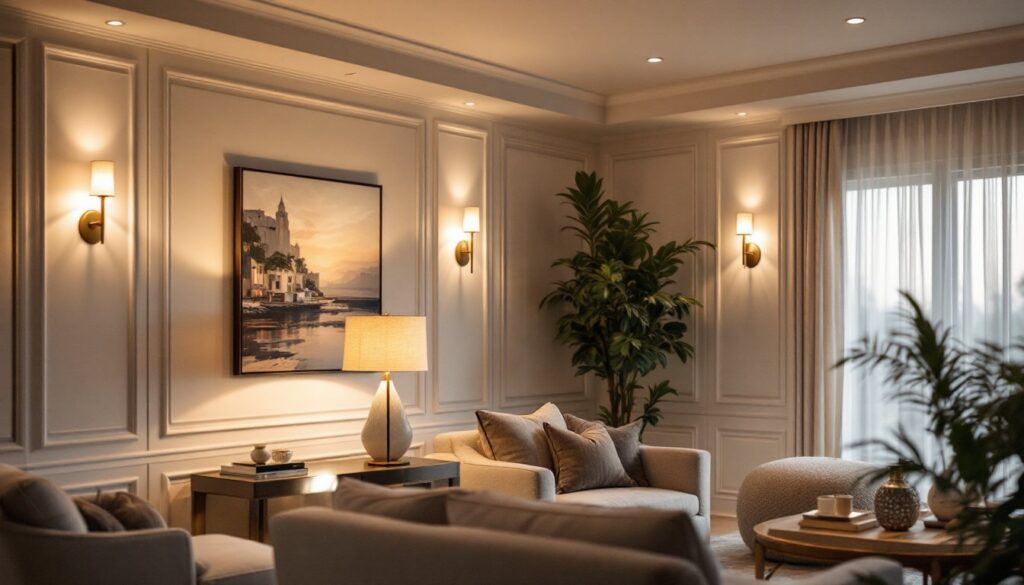
Lighting is one of the most overlooked elements in interior design, yet it shapes how a room looks and feels more than almost anything else. A well-lit space feels larger, warmer, and more inviting, while poor lighting can make even a beautifully decorated room feel dull or unwelcoming. Whether someone is tackling a full home renovation or just refreshing a single room, understanding the fundamentals of lighting interior design is essential. The right fixtures, layering, and color temperature can transform a space from ordinary to exceptional. This guide walks through practical strategies for choosing and positioning lighting to achieve the exact ambiance needed in any room.
Key Takeaways
- Lighting interior design shapes how a room looks and feels more than almost any other element, influencing mood, visual comfort, and the perception of space.
- The three essential types of interior lighting—ambient, task, and accent—work best when layered together to provide flexibility and intentional design throughout the day.
- Warm white light (2700K–3000K) creates cozy, intimate spaces ideal for bedrooms and living areas, while cool or neutral white suits kitchens and offices where focus matters.
- Always plan lighting early in your design process, not as an afterthought, because it influences furniture placement, color selection, and how spacious or inviting a room feels.
- Dimmable, quality fixtures allow you to adjust brightness and mood without harsh transitions, preventing common mistakes like relying solely on one bright overhead light.
The Role of Lighting in Interior Design
Lighting isn’t just functional, it’s a design tool that affects mood, visual comfort, and how colors appear throughout a space. Poor lighting can hide architectural details, make walls look dingy, and strain the eyes. Good lighting highlights what matters, sets the tone, and creates a sense of flow from one area to another.
When planning any room’s design, lighting should be considered early, not as an afterthought. It influences furniture arrangement, wall color selection, and even how large or cozy a space feels. A room with bright overhead fixtures feels institutional: the same room with layered lighting, including softer ambient light and accent fixtures, feels intentional and lived-in.
The key is balance. Rooms need enough light to function safely and comfortably, but not so much that they feel harsh or overstimulating. This balance comes from understanding lighting types and how to combine them effectively throughout a space.
Types of Interior Lighting You Need to Know
Interior lighting interior design relies on three main categories: ambient, task, and accent. Most successful rooms combine all three in layers, allowing flexibility and control based on the time of day and activity.
Ambient Lighting
Ambient lighting is the baseline illumination that makes a room usable and safe. It’s often ceiling-mounted, think recessed lights, flush mounts, or a chandelier, and provides general brightness without shadows. Ambient lighting should be dim-able whenever possible, allowing users to adjust brightness throughout the day. Recessed lights are popular in modern homes because they’re clean and adjustable, but they can feel cold without layering. A standard guideline is 1–2 watts per square foot of room area for ambient light: a 12 x 14 foot bedroom, for example, might need 170–340 total watts.
Many DIYers make the mistake of installing one bright overhead fixture and calling it done. That approach works for utility spaces like bathrooms or laundry rooms, but in living areas, kitchens, and bedrooms, ambient light alone feels flat. Pair it with softer sources at different heights to avoid the “interrogation room” effect.
Task and Accent Lighting
Task lighting provides concentrated brightness for specific activities: reading, cooking, grooming, or working at a desk. Under-cabinet lighting in kitchens, vanity lights above bathroom sinks, and desk lamps are classic task fixtures. The key is positioning them to eliminate shadows where work happens, which is why a single overhead light over a kitchen counter is rarely enough.
Accent lighting highlights architectural features, artwork, or design elements. Wall-mounted picture lights, recessed spotlights aimed at shelving, and uplighting on plants or textured walls add depth and visual interest. Accent lighting typically uses 1–3 times the brightness of ambient light in a small, focused area. This layering creates dimension and draws the eye where you want it, making a space feel more intentionally designed than a room lit uniformly from above.
Color Temperature and Mood Setting
Color temperature, measured in Kelvin (K), affects how warm or cool light feels and dramatically influences mood. Understanding this simple metric transforms design choices.
Warm white light (2700K–3000K) has a yellowish tone and feels cozy, intimate, and relaxing. It’s ideal for bedrooms, living rooms, dining areas, and any space where comfort is the priority. Warm light is also forgiving for skin tones, which is why bathrooms and bedrooms benefit from it.
Neutral white light (3500K–4100K) is balanced and energizing without being harsh. It works well in kitchens, home offices, and workspaces where clarity and focus matter. Many people find it’s the “Goldilocks” option, not too cold, not too warm.
Cool white or daylight (5000K and above) mimics natural sunlight and feels bright and clinical. It’s useful in garages, workshops, laundries, and utility areas but can feel sterile in living spaces. Avoid placing cool-white fixtures in bedrooms or relaxation zones, they suppress melatonin production and make unwinding harder.
A practical tip: choose dimmable LED bulbs in a consistent color temperature for each room. This gives flexibility to adjust brightness without shifting the room’s warmth. Mixing color temperatures in one space confuses the eye and muddies the design. A warm living room with a cool-white kitchen directly beside it creates a jarring transition.
Lighting Design for Different Rooms
Different rooms serve different purposes, so their lighting needs vary. Here’s how to layer lighting effectively in key spaces:
Bedrooms should feel like a sanctuary. Pair dimmable warm-white ambient light (recessed or flush-mount fixtures) with bedside task lamps or wall sconces for reading. Add a touch of accent lighting, perhaps cove lighting along crown molding or wall-mounted uplights, for visual softness. Avoid anything overhead that creates harsh shadows on the bed.
Kitchens and dining areas need robust task lighting. Under-cabinet strips or spotlights illuminate countertops where meal prep happens: a pendant or chandelier over the table or island provides both ambient and focal lighting. Dimmable options let users dial brightness up for cooking and down for casual dinner. Warm white (2700K–3000K) feels hospitable in this social space.
Living rooms benefit from layering more than any other room. Combine dimmable overhead or recessed ambient lighting, table lamps on end tables, wall sconces flanking a TV or art, and possibly uplighting in corners. This flexibility lets occupants adjust the mood for movie nights (dimmed), conversations (medium), or afternoon reading (brighter).
Home offices require bright, flicker-free task lighting to reduce eye strain. A desk lamp with adjustable brightness, paired with ambient light to avoid screen glare, is essential. Cool-white or neutral-white light (4000K–4100K) keeps focus sharp during work hours.
Bathrooms need both task and accent options. Vanity lights should flank or sit above the mirror (never just overhead, it creates unflattering shadows). A dimmable overhead fixture or recessed lights add flexibility. Warm white flatters skin and feels spa-like: a dimmed bathroom is more pleasant for nighttime visits than a bright one.
Conclusion
Lighting interior design isn’t complicated, but it does require intentional planning. Start by understanding the three lighting types, ambient, task, and accent, and layer them in each room. Choose warm white light for comfort zones and cooler tones for functional spaces. Invest in dimmable, quality fixtures rather than one-size-fits-all solutions. When done well, lighting becomes invisible, occupants simply feel that a room is perfectly comfortable and beautiful. That’s the mark of thoughtful design.