
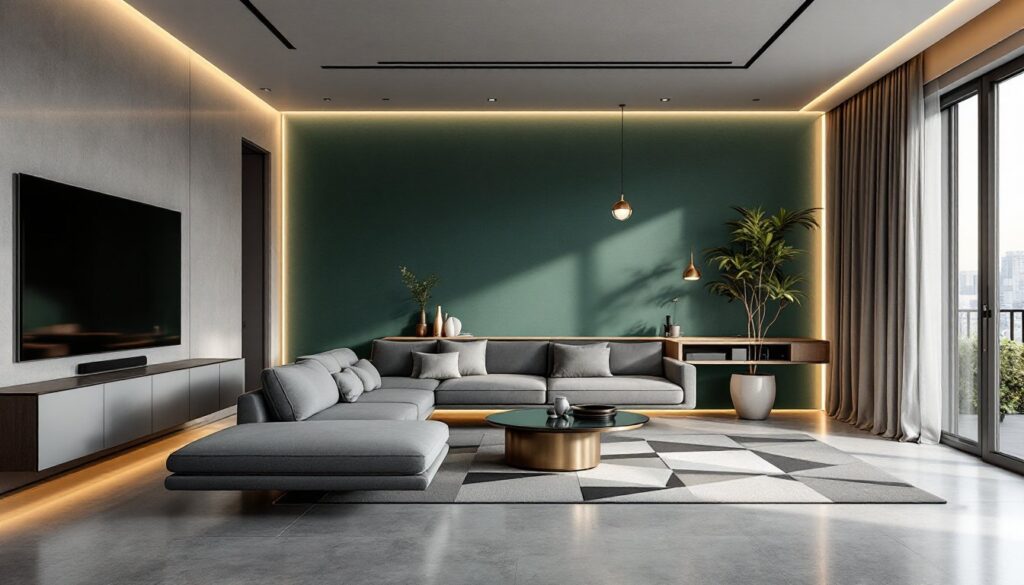
Futuristic interior design isn’t just sci-fi daydreaming anymore, it’s practical, achievable, and increasingly the standard for homeowners who want spaces that work as hard as they do. The year 2026 brings a blend of smart technology, sustainable materials, and sleek aesthetics that can transform any room from dated to forward-thinking. Whether someone’s updating a single bedroom or overhauling their entire home, understanding futuristic interior design means learning how to balance cutting-edge functionality with livable comfort. This guide walks through what defines modern futurism, how to weave in smart tech without overwhelming the space, and which materials and colors actually stand the test of time, not just trends.
Key Takeaways
- Futuristic interior design combines minimalism, clean lines, and smart technology to create spaces that are both functional and livable, balancing high-tech aesthetics with practical comfort.
- Hidden or seamlessly integrated smart home tech—including recessed LED lighting, voice assistants, and smartphone-controlled systems—defines modern futuristic spaces without visible clutter.
- Durable, high-quality materials like polished concrete, large-format tiles, handleless cabinetry, and FSC-certified wood provide the foundation for futuristic design that ages gracefully while supporting sustainability goals.
- A restrained color palette of neutrals with sparingly used jewel-tone or muted accents prevents futuristic interiors from feeling cold or dated, while layered, dimmable lighting sets intentional mood.
- Start small with a single room to test colors and layouts before committing to expensive finishes, and prioritize good bones like quality lighting infrastructure and HVAC systems over cosmetic updates.
- Sustainable choices—energy-efficient appliances, LED lighting, low-VOC paints, and low-flow fixtures—align futuristic design with environmental responsibility and reduce long-term costs.
What Defines Futuristic Interior Design
Core Principles and Aesthetic Elements
Futuristic design boils down to a few core ideas: minimalism meets functionality, clean lines dominate, and every piece serves a purpose. Unlike retro-futurism, which leans on chrome and kitsch, genuine futuristic design is grounded in what actually works and lasts.
The aesthetic centers on open spaces, uncluttered surfaces, and geometric forms. Think frameless shelving, floating furniture, and wall-mounted storage that keeps floors clear. Materials feel high-tech but touchable: polished concrete, brushed steel, matte black metals, and warm neutrals balance out cool industrial elements.
Futuristic spaces also embrace asymmetry and bold angles. A sloped ceiling, angled wall feature, or sculptural furniture piece creates visual interest without fussy decoration. The goal isn’t sterile, it’s intelligent. Every design choice supports how people actually live: quick morning routines, entertaining guests, working from home, or simply relaxing without visual noise.
Color restraint matters too. Neutral backdrops (whites, grays, blacks, warm beiges) serve as a canvas, with bold accents used sparingly. A single jewel-tone wall, one statement art piece, or a pop of neon green in accessories prevents the space from feeling cold or corporate.
Smart Technology Integration
Smart home tech is the backbone of futuristic design, but it only works when hidden or seamlessly blended into the space. Nobody wants visible cables or a dashboard of glowing lights dominating a living room.
Start with infrastructure: in-wall wiring for outlets, USB ports, and low-voltage systems should be planned before drywall goes up. If walls are already closed, surface-mounted conduit (metal or plastic channels) keeps cables organized and looks intentional rather than accidental. Retrofit solutions like flat power strips or wireless charging pads built into desks and nightstands reduce clutter.
Lighting sets the mood and defines futuristic spaces. Install dimmable LED recessed lighting controlled by a smart app or voice command. Avoid visible bulbs and fixtures, aim for clean, integrated sources. Strip lighting behind floating shelves or inside built-in cabinetry adds depth and a polished feel.
Voice assistants (Amazon Alexa, Google Home) work best when a speaker blends into décor. Smaller, minimalist designs fit better than chunky pods. Consider ceiling-mounted or built-in options for cleaner aesthetics.
Smartphones become the remote for everything: thermostats, door locks, window blinds, and media systems. The payoff is both functional and visual, fewer physical buttons and remotes cluttering side tables and shelves.
Materials and Finishes of Tomorrow
Futuristic interiors lean on materials that look refined and age gracefully. Polished concrete floors work for open-plan living: they’re durable, easy to clean, and feel industrial-chic. Alternatively, large-format porcelain tiles (12×24 inches or larger) minimize grout lines and create seamless visual flow.
Wall finishes should emphasize texture without clutter. Consider feature walls in matte black, warm concrete, or 3D-textured panels (think ribbed or geometric embossed finishes). Avoid glossy paint in living areas, matte and eggshell finishes feel more contemporary and hide dust better.
Cabinetry defines the futuristic kitchen and bath. Handleless cabinets with push-open mechanisms eliminate hardware clutter. Pair them with white, black, or natural oak veneer finishes. Waterfall edges (where the material wraps the corner of an island or vanity) add a sculptural touch.
Flooring in secondary spaces benefits from luxury vinyl plank (LVP) or engineered wood. Both offer warmth, durability, and the ability to mimic natural materials without high maintenance. Avoid laminate, it reads as budget-conscious, not future-forward.
Metals should be intentional. Brushed stainless steel, matte black steel, or brass accents in light fixtures, hardware, and trim create visual interest. Mix metals sparingly: one primary finish (say, matte black) with accent metals (warm brass) feels sophisticated. Avoid mixing too many, it reads as confused, not curated.
Color Palettes and Lighting Design
A futuristic color scheme is intentional and restrained. The base palette typically runs monochromatic: whites, light grays, warm beiges, charcoal, or true black. These neutrals serve as a backdrop for accent colors introduced sparingly.
Accent colors in 2026 trend toward jewel tones and muted deep shades. Deep emerald green, navy blue, terracotta, or charcoal gray work as an accent wall, in upholstery, or in large art pieces. Bold neons (electric blue, bright green) appear in small doses: a throw pillow, a desk lamp, or wall art. The restraint prevents spaces from feeling dated.
Lighting design is equally critical. Layered lighting creates depth and controls the mood. Task lighting at desks and vanities must be bright and flicker-free (important for eye health and productivity). Ambient lighting sets tone, warm 3000K color temperature LEDs feel inviting in bedrooms and living rooms, while 4000K works better in kitchens and home offices for clarity.
Install dimmable lights wherever possible. A living room at full brightness reads institutional: dimmed to 50% feels warm and intentional. Accent lighting (strips behind shelves, under floating cabinets) adds visual interest and guides the eye.
Avoid ceiling fans with visible blades in futuristic spaces, they date a room quickly. If airflow is needed, choose bladeless fans or integrate ventilation into HVAC design. Wall-mounted or recessed units keep sightlines clean.
Sustainable Futurism: Eco-Friendly Innovation
True futuristic design embraces sustainability. It’s not trendy, it’s logical. Durable, high-quality materials last decades, reducing replacement waste. Repainting every five years or swapping disposable furniture creates visual and environmental clutter.
Choose FSC-certified wood for cabinets, flooring, and built-ins. Specify low-VOC paints and finishes (volatile organic compounds) for better indoor air quality and a faster off-gassing timeline. Many high-end paints now claim zero VOC, they’re worth the premium.
Energy-efficient appliances reduce long-term costs and align with futuristic values. ENERGY STAR–rated refrigerators, ovens, and dishwashers consume 10–30% less energy than baseline models. Smart thermostats like Nest or Ecobee learn schedules and save money over time.
Lighting is an easy sustainability win. LED bulbs use 75% less energy than incandescent and last 25,000+ hours. Over a decade, the savings compound. Install smart switches that automatically turn lights off in unused rooms.
Water conservation matters in bathrooms. Low-flow faucets and dual-flush toilets reduce usage without sacrificing performance. A greywater-ready shower system (simple in design, future-proof for upgrades) aligns with forward-thinking values.
Renewable materials like bamboo flooring and recycled-content tiles offer aesthetic and environmental benefits. They’re durable, modern-looking, and have lower embodied carbon than virgin materials.
Practical Tips for Implementing Futuristic Design
Start small. Updating an entire home at once is expensive and overwhelming. Pick one room, a bedroom, home office, or bathroom, and refine the concept. Success in one space builds confidence for the next.
Plan for future flexibility. Install extra outlets, USB ports, and data runs while walls are open. Overestimate by 20%, what seems excessive now feels smart in three years. Use modular furniture and removable wall treatments (peel-and-stick wallpaper, magnetic paint) so adjustments don’t require major renovations.
Prioritize good bones. A well-designed floor plan, quality lighting infrastructure, and solid HVAC systems are the foundation. Cosmetic finishes can be updated: structural issues are expensive. If structural work is needed, hire a licensed professional or engineer, don’t guess on load-bearing walls or electrical capacity.
Live with it first. Before committing to expensive finishes, test colors and layouts. Paint accent walls in tape and step back. Place furniture before ordering permanent pieces. Lighting changes feel dramatic, mock up a recessed light grid before installation.
Keep a mood board. Collect images of spaces that resonate, materials, and color combinations. Look for patterns in what appeals, minimalist, tech-forward, geometric, etc. Use Pinterest, design blogs, or magazines. This prevents decision paralysis and ensures cohesion.
Don’t skip ventilation and acoustics. Futuristic spaces feel cold if hard surfaces bounce sound and create echoes. Add soft furnishings (rugs, curtains, upholstered pieces) to absorb sound. Proper kitchen ventilation and bathroom exhaust fans prevent moisture and odors from undermining the aesthetic.
Budget reality: futuristic design’s clean aesthetic masks high-quality fundamentals. Expect to invest in good lighting, durable flooring, and custom cabinetry. Budget-cutting on these core systems will show and age poorly.