
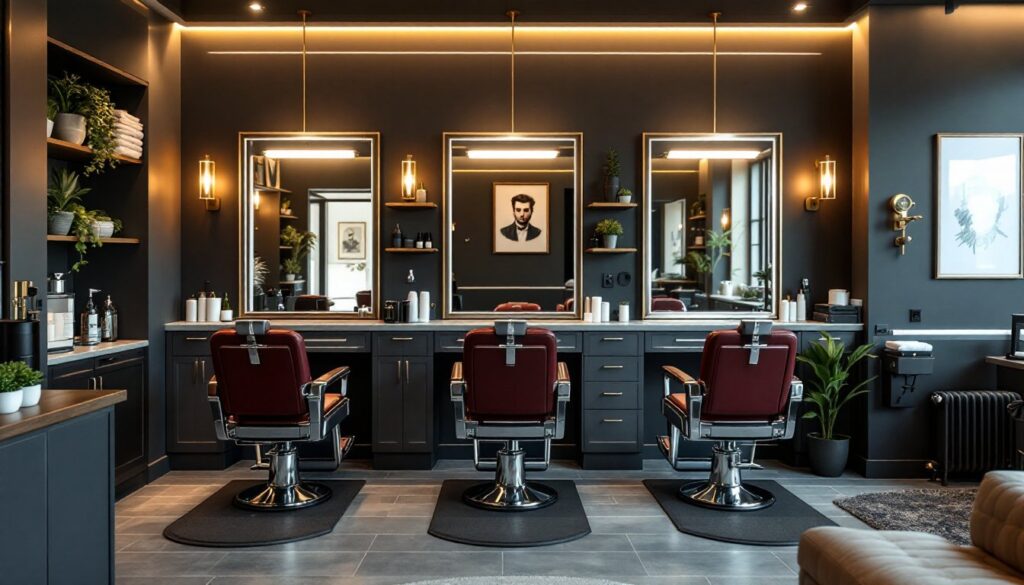
A barber shop isn’t just a place to get a haircut, it’s a sanctuary where clients escape daily pressures and connect with skilled professionals they trust. The interior design of a barber shop plays a crucial role in shaping that experience, influencing everything from how long clients wait to whether they return. In 2026, successful barber shops blend timeless design principles with modern functionality, creating spaces that feel both professional and welcoming. The right design strategy transforms a utilitarian workspace into a destination, boosting client retention and building a loyal community. This guide walks through the essential design elements that turn a barber shop into a space clients genuinely want to visit.
Key Takeaways
- Barber shop interior design directly impacts client experience, retention, and perceived value of services by creating spaces that communicate professionalism and comfort.
- Optimize your floor plan with clear traffic flow (entry → check-in → waiting → stations → checkout) and maintain 6-by-8-foot minimum spacing per station to avoid a cramped, cheap feeling.
- Invest in task lighting (2,500–3,000 lumens, 5,000K color temperature) and timeless color palettes of deep neutrals with one accent color rather than trendy pastels or primary colors that age poorly.
- Quality barber chairs ($800–$3,000) and large, well-lit mirrors ($300–$700) are visual anchors that signal professionalism instantly and justify their cost over the long term.
- Create acoustic comfort through soft furnishings and fabric elements that absorb sound and make conversations feel private, and enhance atmosphere with curated music, subtle scent, and thoughtful ambient touches like plants and quality soap dispensers.
The Psychology of Barber Shop Design and Its Impact on Client Experience
Design isn’t superficial, it shapes how clients feel the moment they walk through the door. A well-designed barber shop communicates professionalism, competence, and respect for the client’s time and money. The environment influences mood, relaxation, and perceived value of services. Clients in a thoughtfully designed space tend to feel their experience is worth the investment and are more likely to return.
Psychological comfort comes from several design layers: visual clarity (knowing where to check in, where to sit, where services happen), acoustic control (managing noise so conversations feel private), and spatial flow (no bottlenecks or awkward waiting areas). When these elements work together, clients relax rather than feel rushed or cramped. They’re also more forgiving of wait times if the space is pleasant and engaging. Barber shops that neglect these principles often struggle with client retention, even if the haircuts are excellent. The design must support and amplify the quality of the work, not undermine it.
Essential Elements: Layout, Lighting, and Color Schemes That Work
Optimizing Floor Plan and Station Placement
Layout dictates how a barber shop functions and feels. A cluttered or poorly organized floor plan frustrates both barbers and clients. Start by mapping traffic flow: entry → check-in → waiting area → cutting stations → checkout/payment. This sequence should feel natural and unforced, with no cross-traffic or bottlenecks.
Station spacing is critical. Barber chairs typically require a minimum 6-by-8-foot floor space per station to allow the barber room to work and clients comfortable sightlines to the mirror. Crowding stations to fit more chairs reduces quality and comfort. A smaller, well-laid-out shop feels premium: a cramped one feels cheap.
Waiting areas should be visibly separated from active cutting stations but close enough for barbers to call clients when ready. Good shops use architectural elements (a half-wall, a slight level change, or strategic furniture placement) rather than literal barriers. This maintains openness while creating zones.
Choosing the Right Lighting and Color Palette
Lighting affects both function and mood. Task lighting over stations must be bright (2,500–3,000 lumens per chair) and color-accurate (5,000K color temperature mimics daylight) so barbers see hair color and texture clearly. Ambient lighting in waiting and transition areas can be warmer (3,000K) to feel inviting without creating harsh shadows.
Avoid fluorescent tube lights, they’re cheap-looking and create unflattering skin tones. LED panels or quality track lighting cost more upfront but justify the expense through better light quality and lower electricity costs. Dim, shadowy shops read as unprofessional: overly bright ones feel clinical.
Color palettes should be timeless and cohesive. Classic barber shop palettes include deep neutrals (charcoal, navy, warm gray) paired with one accent color (forest green, burgundy, gold, or navy). These colors age well and feel professional rather than trendy. Whites and light neutrals work but can feel sterile without careful material selection. Avoid primary colors or trendy pastels, they date fast and feel gimmicky in a service business. The color scheme should reinforce that clients are somewhere worth their money.
Furniture, Fixtures, and Styling for a Polished Aesthetic
Barber chairs and stations are functional art and the visual anchor of the space. A quality barber chair costs $800–$3,000 but lasts 10+ years and signals professionalism instantly. Chrome or matte-black finishes pair well with upholstered frames in black or burgundy leather, durable, easy to sanitize, and timeless. Budget chairs feel uncomfortable and wear poorly: they undermine the entire design.
Mirrors should be large, well-lit, and properly installed at standard height (54–60 inches from floor to center). Frameless mirrors feel modern and spacious: framed mirrors (brushed metal or wood) add character. Mirror quality matters, cheap mirrors distort or discolor over time. A good mirror costs $300–$700 installed but affects every station.
Shelving and product display should be minimal and functional. Open shelving for styling products, clean towels, or grooming supplies looks intentional: haphazard product piles look cluttered. A small retail display case (if offering products) should be positioned at checkout and organized, not crammed. Less is more, clarity and order feel expensive.
Flooring should be durable and easy to sanitize. Vinyl composite, polished concrete, or quality ceramic tile withstands daily sweeping, frequent mopping, and chemical cleaners without looking worn. Avoid light colors that stain easily. Dark or mid-tone finishes stay visually clean and feel more sophisticated than white or light gray. Comfort mats behind stations reduce fatigue for standing barbers and add a subtle design touch.
Small touches matter: framed artwork or barber heritage pieces, a clean reception desk, organized towel storage, and live plants in corners all contribute to a cohesive, intentional aesthetic.
Building Atmosphere Through Music, Scent, and Ambiance
A well-designed space also sounds and smells right. Music shapes mood and masks awkward silence. Most successful barber shops use curated playlists (indie, hip-hop, classic rock, or smooth jazz, matched to clientele) at moderate volume (around 60–65 decibels). Avoid overly trendy or explicit content: the goal is a welcoming backdrop, not a club vibe.
Acoustic treatment matters more than most designers realize. Hard surfaces (tile, concrete, chrome) reflect sound and create echo: soft materials (upholstered walls, quality area rugs, fabric panels) absorb it. Covering one wall with acoustic panels or installing fabric wall trim reduces noise bounce and makes conversations feel private, a huge comfort factor.
Scent is subtle but powerful. A well-maintained barber shop has a light, clean smell: subtle cologne or barbershop-specific fragrance, not overpowering air freshener. A quality essential oil diffuser (subtle lavender, cedarwood, or fresh citrus) costs $50–$150 and reinforces professionalism without being aggressive. Avoid strong chemicals or cheap fragrance, they cheapen the space.
Ambient details like plants in corners, a small water feature, or a quality coffee station for clients add texture and warmth. A premium hand soap at the sink and clean, high-quality paper towels signal attention to detail. These aren’t expensive additions, but they compound to create a space that feels genuinely cared for.
Conclusion
Barber shop interior design in 2026 is about creating a cohesive, intentional environment that supports great service and client loyalty. From layout and lighting to furniture quality and sensory details, every element works together to communicate professionalism and care. A barber shop designed with the client experience in mind doesn’t just attract customers, it keeps them coming back, turning first-time visitors into regulars who trust the space as much as the barber.