
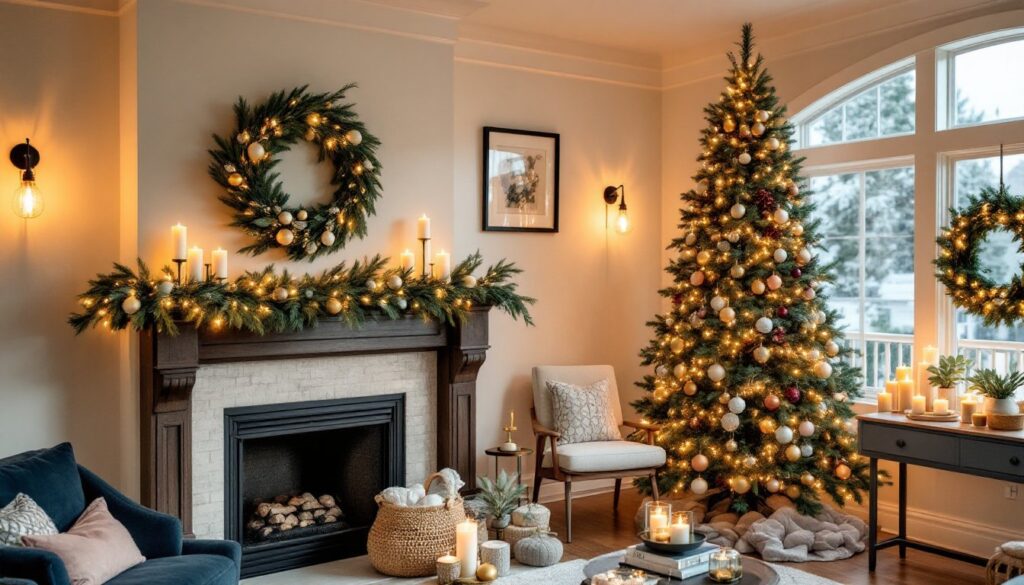
Christmas interior design doesn’t require hiring a professional, thoughtful planning and smart material choices can turn any home into a welcoming winter retreat. Whether someone’s working with a historic farmhouse or a modern apartment, the right color palette, strategic lighting, and layered decorations create depth and warmth without overwhelming the space. This guide walks through proven techniques: establishing a cohesive theme upfront, deploying focal points in key rooms, and using light to tie everything together. The focus here is on what actually works, the prep decisions and installation steps that prevent a home from looking like every other seasonal display. DIYers will learn which decorations anchor a room, where to invest decorating dollars, and where budget alternatives deliver the same visual punch.
Key Takeaways
- Christmas interior design starts with choosing a cohesive color palette early—whether classic red and green or modern alternatives like soft champagne and navy—that complements your home’s existing finishes and prevents visual chaos.
- Strategic focal points in each room, such as a decorated mantel divided into thirds or a well-anchored Christmas tree, guide the eye and create intentional depth throughout your home.
- Layered lighting with warm white LEDs, accent spotlights, and grouped candles in odd numbers transforms spaces more effectively than any single decoration and creates an inviting ambiance.
- Fresh greenery from grocery stores or farmers markets, quality LED string lights, and DIY arrangements from pantry staples deliver high-impact results without expensive ornaments or single-use decor.
- Repurpose existing home items like bedding, throw pillows, and linens that match your chosen palette to stretch your decorating budget while maintaining a curated, intentional aesthetic.
Setting The Foundation: Color Palettes And Themes
Classic Red And Green Versus Modern Alternatives
Most homes lean toward traditional red and green because it’s iconic and forgiving, those colors are so familiar that they read as Christmas instantly. But a single-color family shouldn’t be the default just because it’s expected. A cohesive Christmas interior design strategy starts by choosing a palette that complements the home’s existing finishes and the homeowner’s taste.
Classic combinations work: deep forest green with burgundy, cream, and gold accents create an elegant, period-appropriate feel in older homes. Modern alternatives like soft champagne and white with touches of blush or navy suit contemporary spaces better and feel less seasonal once January arrives. Warm whites and taupes layered with copper metallics work well in minimalist homes without requiring a complete color overhaul.
The critical decision is committing to a theme early. A homeowner who decides on “classic lodge” can source linens, garland, and ornaments around a unified palette: jumping between red-and-green and silver-and-blue halfway through creates visual chaos. Spend 15 minutes looking at inspiration photos and picking three to five colors that feel right. Sketch the palette on paper, literally color-swatching paint chips or cardboard samples alongside potential fabric or garland samples.
Material choices reinforce the theme. A rustic cabin aesthetic calls for raw wood, burlap, and matte finishes: a transitional modern home benefits from sleek metallics, smooth linens, and fewer competing textures. Limit the number of different materials and finishes to three or four, too many competing surfaces (shiny tinsel, matte wood, brushed metal, glossy ceramic) reads as cluttered, not intentional.
Decorating Key Living Spaces
The Living Room As Your Focal Point
The living room is where families gather, so it’s the anchor of seasonal decorating. Start by identifying the natural focal point: a fireplace, a large window, or the wall behind the main seating area. This is where the most visually striking decoration, usually the tree, a decorated mantel, or a statement wreath, belongs.
A properly decorated mantel sets the tone for the entire room. Measure the mantel width and divide it into thirds: the center third gets the tallest item (a 24- to 36-inch tall garland swag or stockings hung from hooks above). Flank this with two smaller arrangements, candles, potted evergreens, or decorative objects, one on each side. Keep depths consistent by arranging items roughly parallel to the front edge: items that extend 8 to 12 inches forward create visual weight without blocking sight lines.
If a Christmas tree is the focus, anchor it in a sturdy base (no homeowner wants a 6-foot tree tipping onto hardwood floors mid-season). Pre-lit trees with warm white or soft white LED bulbs deliver consistent light: avoid cool white unless the room’s existing lighting skews cool. Hang heavier ornaments closer to the trunk and lighter ones toward the outer branches to maintain balance. Drape garland loosely around the tree’s perimeter at waist height, it frames the tree without obscuring it.
Layer in smaller focal points: a decorated console table near the entry, a wreath on a large window, or a tiered display of pillar candles and greenery on a side table. These secondary focal points guide the eye around the room and prevent the space from feeling sparse if guests aren’t standing directly in front of the tree.
Kitchen And Dining Area Touches
Kitchen and dining areas are functional spaces, so decorating must not interfere with traffic or appliance use. The dining table is the natural focal point here: a low-profile centerpiece (8 to 10 inches tall) keeps sightlines clear for conversation. Combine a wooden runner or table scarf down the center, then cluster a mix of candles (pillar and votive), small potted evergreens, and tasteful ornaments in a tight arrangement. Avoid full-height centerpieces that force diners to peer around decorations.
Window sills and countertops are prime real estate. A line of votive candles along a kitchen window sill adds warmth without requiring permanent installation. Garland swags above doorways transition spaces effectively, hang them 12 inches below the frame opening to avoid blocking traffic. Use command hooks or non-damaging adhesive strips for rental homes or spaces where nails aren’t options.
The kitchen island or bar is an opportunity for a simple, restrained arrangement. A single piece of tall greenery in a matte ceramic vase, surrounded by three to five candles of varying heights, looks intentional without creating a cluttered counter. Keep cooking surfaces clear: avoid hanging anything above the stove that might catch heat or steam.
Lighting And Ambiance Essentials
Lighting transforms a room more than any single decoration. Christmas interior design relies on layered lighting: ambient (room-wide), accent (spotlighting focal points), and task (functional light for daily use).
Ambient lighting comes from overhead fixtures, which should be dimmed or supplemented with softer sources. Warm white string lights wrapped around a banister, draped along a mantel, or strung above a window opening in a soft scallop pattern create a holiday feel without replacing functional overhead light. Use warm white (2700K) LED bulbs, not cool white: the eye perceives warm light as more inviting and intimate.
Accent lighting highlights focal points. Directed spotlights (from standing uplighters or clip-on lights) aimed at a decorated mantel, wreath, or tree create drama. In a dimly lit room, a single well-lit focal point draws attention and prevents the space from feeling simultaneously bright and decorative, a common mistake in DIY homes.
Votive candles and pillar candles are non-negotiable ambient builders. Group them in odd numbers (three, five, or seven) of varying heights on tables, shelves, and mantels. Battery-operated pillar candles are safer than wax if there are pets or small children, and they’re indistinguishable from real candles in warm light. Cluster them close enough that their halos of light overlap slightly, creating pools of warmth around the room.
Avoid overloading a single outlet with multiple light strings or lamps. Use power strips with surge protection if running more than three sets of lights from one outlet, and inspect cords for damage before plugging in. Lights left on 24/7 will eventually fail: run timers on string lights (set them to turn on at dusk, off at bedtime) to extend bulb life and save energy.
Budget-Friendly Decorating Strategies
Spending money on Christmas doesn’t require spending a lot. Strategic purchases and intelligent reuse of existing items stretch a decorating budget significantly.
Fresh greenery costs less than elaborate ornaments. A grocery store floral section or farmers market yields bundles of eucalyptus, cedar, and evergreen clippings for $2 to $5 per bundle. Arrange three to five stems in small vases or jars (use vases already in the home) and scatter them throughout living spaces. A single $20 garland swag, hung strategically above a doorway or mantel, reads as intentional and elegant. This approach feels curated, not generic.
LED string lights are a one-time investment worth making. A quality 25- to 50-foot warm white LED string (about $15 to $25) lasts for years and can be rewired or repurposed for next season. Cheap lights flicker and fail quickly: mid-range LEDs outperform them substantially.
Repurpose what’s already in the home. White or cream bedding, throw pillows, and table linens transition beautifully into holiday schemes if the base color matches the chosen palette. Layer a chunky knit blanket (already owned) over a sofa instead of buying seasonal throw pillows. Incorporate existing artwork or wall hangings by flanking them with garland or repositioning furniture to create new sightlines.
DIY arrangements from pantry staples look expensive. Fill clear vases with white paint pens to frost them, then add branches clipped from the yard or white spray-painted twigs. Cinnamon sticks bundled with twine, dried citrus slices, and faux or real pine cones combined in apothecary jars cost pennies to assemble and look polished. These arrangements work better in groups of three (again, odd numbers) scattered around the home.
Skip single-use decor. Ornaments and lights stay in the closet year after year, but a $40 wreath used only in December is inefficient. Instead, invest in high-quality garland and string lights (used for years), then supplement with small, inexpensive accents that can be swapped or refreshed each season. This approach keeps year-to-year costs reasonable while allowing the core aesthetic to evolve.