
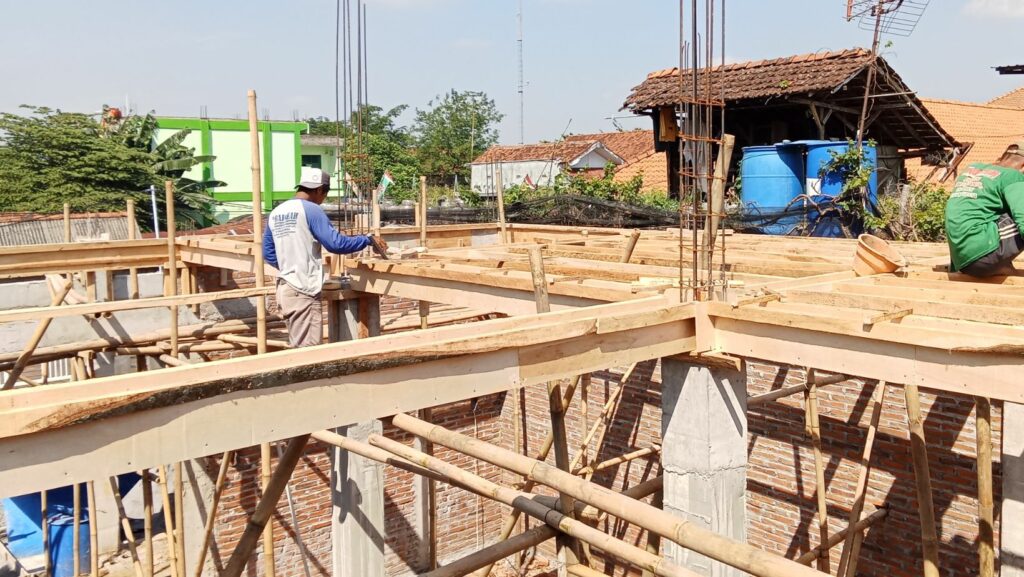
When you look at a deck, patio, shed, fence, or even a concrete slab, it’s easy to assume everything is solid and built to last. After all, outdoor structures are meant to withstand weather, movement, and daily wear. But most of them have small, often overlooked weak points that slowly break down long before the rest of the structure shows visible damage. Protective steps — like using concrete coatings on surfaces that face constant exposure — can make a huge difference, but first you need to know where those vulnerable points actually are.
Outdoor structures rarely fail all at once. They fail quietly, piece by piece, in the areas most people don’t inspect often enough.
The Edges and Corners That Take the Hardest Hits
Edges and corners are almost always the first parts of a structure to deteriorate. They’re exposed, take more impact, and have less material protecting them.
You’ll often see early problems here such as:
- Small chips or cracks
- Wear from foot traffic
- Splintering on decks or timber edges
- Crumbling or erosion on concrete corners
Because corners hold structural integrity together, damage here spreads faster than in the middle sections.
Fasteners and Connectors That Loosen Over Time
Screws, nails, brackets, and bolts may seem minor, but they do most of the work in keeping structures stable. Exposure to wind, temperature shifts, and moisture causes metal fasteners to expand, contract, and eventually loosen.
Common signs include:
- Wobbly railings
- Squeaky steps
- Panels or boards that shift when pushed
- Visible rust on exposed metal
If connectors start failing, the rest of the structure becomes vulnerable — even if the materials themselves are still in good condition.
The Underside You Never Look At
Most outdoor structures have an underside that people rarely inspect — the bottom of a deck, the lower edge of a gate, or the shaded underside of an outdoor stair. These hidden areas often trap moisture and debris, making them prime spots for decay.
Problems you might find include:
- Rotting timber
- Rust forming on brackets
- Damp patches on the bottom of concrete slabs
- Mould or mildew growth
A quick look under a structure can reveal issues years before they become visible from above.
Drainage Points That Don’t Actually Drain
Water is one of the biggest threats to any outdoor structure. When drainage isn’t perfect, water collects in places it shouldn’t — and the damage is often slow but significant.
Trouble spots include:
- Areas where rainwater pools next to concrete
- Soil that holds moisture against wooden posts
- Downpipes that splash water back onto structures
- Low points where puddles form after small amounts of rain
Improving drainage is one of the cheapest and most effective ways to extend the life of outdoor materials.
Joints and Seams That Move Too Much
Any place where two materials meet — concrete slabs, timber boards, pavers, fence panels — is vulnerable to movement. Weather changes cause expansion and contraction. If the joint isn’t sealed properly or designed to flex, small gaps form.
Over time, those gaps allow:
- Water to seep in
- Dirt and debris to accumulate
- Insects or pests to burrow
- Edges to break down
These tiny openings become much bigger issues if they’re ignored.
Surfaces That Sun and Weather Slowly Break Down
Hard surfaces like patios, walkways, outdoor kitchens, and garage floors take constant hits from UV rays, rain, and temperature changes. Even the toughest materials eventually wear down at the surface level.
Early warning signs include:
- Fading colour
- Hairline cracks
- Powdery residue
- Rough or uneven texture
- Stains that appear faster than usual
Surface wear is easy to miss because it happens gradually, but it’s often the first sign of deeper deterioration.
Supports That Carry More Weight Than You Realise
Posts, beams, and load-bearing components are crucial — but they’re also exposed to the harshest conditions. When these supports start to weaken, the entire structure can become unstable.
Watch for:
- Soil erosion around posts
- Leaning or tilting
- Cracked support bases
- Termite activity in wooden structures
- Rusting steel supports
Many support failures start small but escalate quickly.
The Hidden Impact of Weather Cycles
Wind, rain, heat, and cold don’t just wear things out — they work together to weaken structures from multiple angles. For example:
- Heat expands materials
- Cold contracts them
- Moisture seeps in
- Wind creates movement
- UV rays weaken the surface
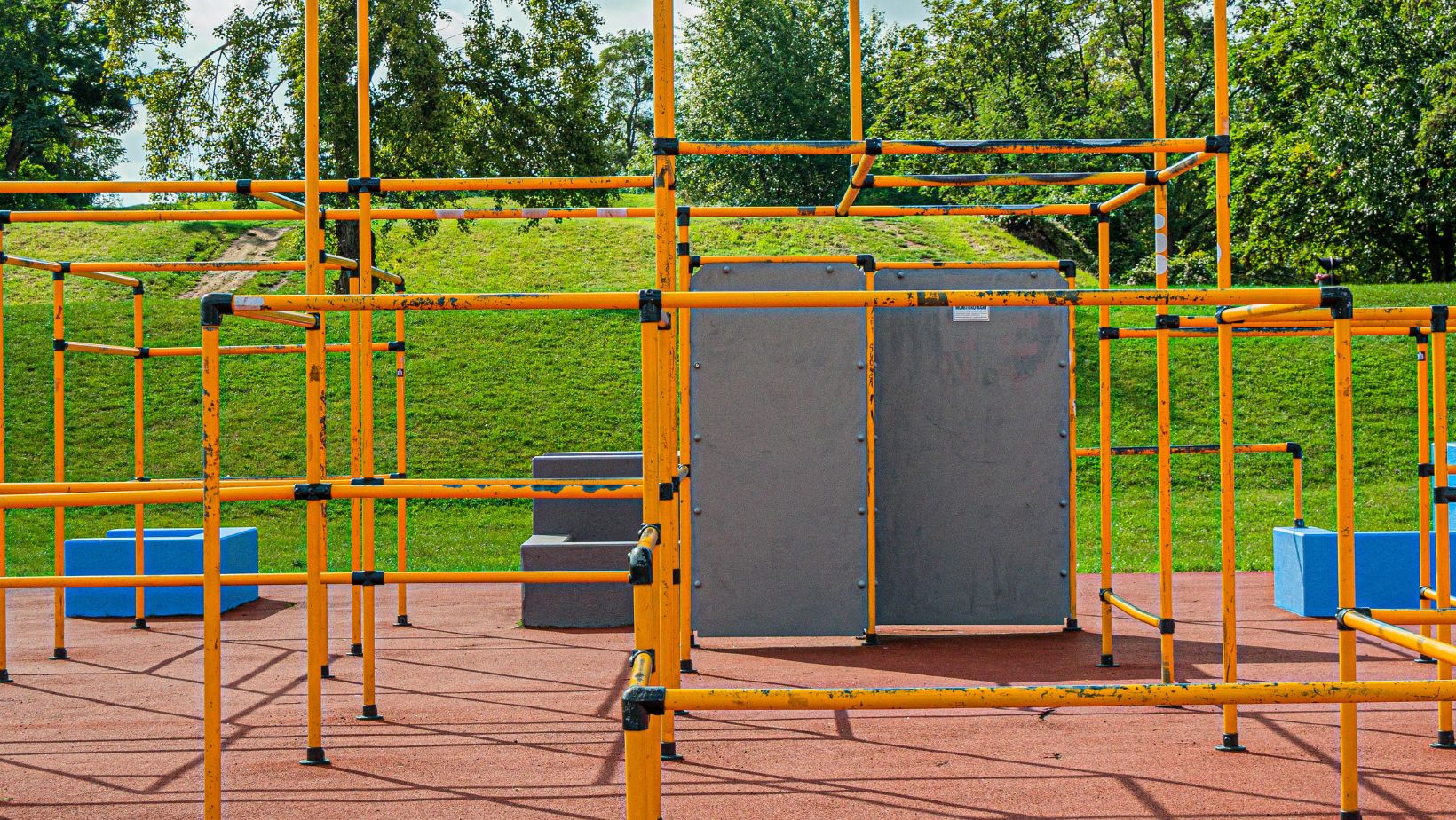
This combination is why outdoor maintenance is never a one-time job. Even strong materials slowly break down under continuous stress.
Why Small Fixes Make a Big Difference
The good news is that most weak points are easy to reinforce if you catch them early. Simple habits like checking corners, inspecting fasteners, improving drainage, and protecting surfaces can prevent 90% of long-term damage.
Outdoor structures don’t need to be perfect to last — they just need attention. The more you understand where weaknesses hide, the better you can protect your space from the kind of damage that sneaks up slowly. With regular care and a bit of prevention, your outdoor structures can stay solid, safe, and looking great for many years to come.