
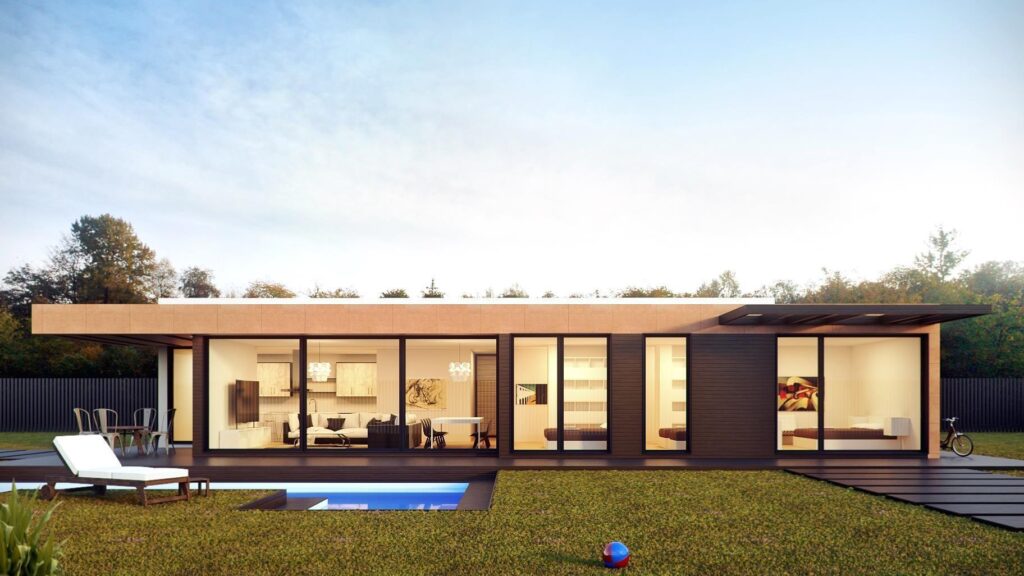
Outdoor living has become one of the most sought-after features in residential property design. Homeowners no longer see their gardens and patios as mere afterthoughts; they view them as natural extensions of their indoor living space, places to entertain, relax, and add measurable value to their property. At the centre of this transformation sits the deck — a structural foundation that defines how an outdoor area looks, feels, and performs over time. As demand for durable, low-maintenance outdoor flooring has climbed, composite materials have stepped into the spotlight, offering a compelling alternative to traditional hardwood that fewer homeowners are willing to overlook.
The Shift Away from Traditional Timber
For decades, timber was the default choice for anyone building a deck. It was readily available, relatively affordable, and carried a natural warmth that felt hard to replicate. Yet timber comes with a set of well-documented drawbacks that become apparent only after years of exposure to the elements. Warping, splitting, rotting, and fading are common problems that drive homeowners back to sanding, staining, and sealing their boards every twelve to eighteen months. In climates with high rainfall or significant temperature swings, these maintenance cycles grow shorter and more demanding.
The hidden cost of a timber deck is not just financial — it is the time and effort required to keep it looking presentable. A weekend spent resealing boards is a weekend not spent enjoying the space. For a growing number of homeowners, that trade-off no longer feels acceptable. They want a surface that holds its appearance with minimal intervention, and that desire has pushed the market toward engineered alternatives designed specifically to resist the problems that plague natural wood.
Understanding Composite Materials and Their Benefits
Composite boards are manufactured by blending wood fibres with recycled plastics and binding agents, resulting in a material that captures the visual appeal of timber while sidestepping its structural weaknesses. The plastic component provides moisture resistance, meaning composite boards will not rot, splinter, or succumb to insect damage. The wood fibre component lends the boards a natural grain texture and a colour profile that feels organic rather than synthetic.
For homeowners weighing their material options, high-quality composite decking offers a combination of durability and aesthetic consistency that traditional timber struggles to match. The boards arrive pre-finished, meaning there is no need for painting or staining after installation, and their colour remains stable far longer than treated wood. Most composite products also carry warranties that extend well beyond what timber suppliers can offer — sometimes up to twenty-five years — which speaks to the confidence manufacturers place in their longevity.
Environmental Considerations
The sustainability argument for composite materials has grown stronger as recycling technology has improved. Many leading manufacturers now produce boards using a high percentage of reclaimed wood and recycled polymer, diverting waste that would otherwise end up in landfill. Because composite decks do not require chemical treatments, stains, or sealants, they also reduce the volume of harmful substances washed into surrounding soil and drainage systems over time. For environmentally conscious homeowners, this lifecycle advantage is a meaningful factor in the decision-making process.
Designing Your Outdoor Living Area
A well-designed deck does more than provide a flat surface — it shapes how people move through and use an outdoor space. The choice of decking influences everything from underfoot comfort to how the area absorbs light during different parts of the day. Composite boards are available in a range of tones and finishes, allowing homeowners to coordinate their outdoor flooring with existing architectural elements such as brickwork, render, or fencing. Lighter shades can make a compact garden feel more open, while darker tones lend a sense of intimacy to larger spaces used for evening entertaining.
Beyond colour, the layout itself matters. Built-in planters, integrated seating, and multi-level designs can transform a simple rectangular platform into a layered outdoor room. Composite materials are well suited to these configurations because they can be cut and fastened with standard woodworking tools, and their dimensional stability means complex shapes will not shift or pull apart over time. Hidden fastening systems further enhance the clean look, removing visible screws from the surface and creating a seamless finish that appeals to designers and homeowners alike.
Practical Considerations for Installation
While composite boards are straightforward to work with, a successful installation still depends on proper substructure preparation. Adequate ventilation beneath the deck prevents moisture build-up, and correct joist spacing ensures the boards perform within their engineered tolerances. Many installation issues trace back to rushed groundwork rather than the boards themselves. Engaging a professional installer or following manufacturer guidelines closely will preserve both the appearance and the warranty of the finished surface.
NeoTimber: A Name Built on Quality
NeoTimber has established itself as a trusted name in the composite outdoor flooring market by focusing on material quality, product consistency, and customer support. The company offers a curated range of boards designed to suit different budgets and aesthetic preferences, all backed by extensive warranties that reflect rigorous testing standards. Their product range includes options with enhanced slip resistance, fire-rated compositions, and UV-stable pigments engineered to minimise fading even under prolonged sun exposure.
What separates a reputable supplier from a generic alternative is not just the board itself but the surrounding service — technical guidance, installation advice, and sample programmes that let homeowners see and feel the material before committing. NeoTimber provides free samples, detailed installation guides, and responsive support throughout the planning and building phases. For a project that will sit outside the home for decades, that level of backing is worth weighing heavily in the purchasing decision.
Conclusion
The way homeowners approach outdoor design has shifted. Decks are no longer maintenance-heavy additions that demand constant attention; they are long-term investments engineered to perform with minimal upkeep. Composite materials have driven that change, offering a practical, sustainable, and visually versatile alternative to traditional timber that fits the realities of modern living. Choosing the right product and supplier matters as much as the design itself, and homeowners who take the time to research materials, compare finishes, and follow proper installation practices will be rewarded with an outdoor space that looks as good in year fifteen as it did on day one.