
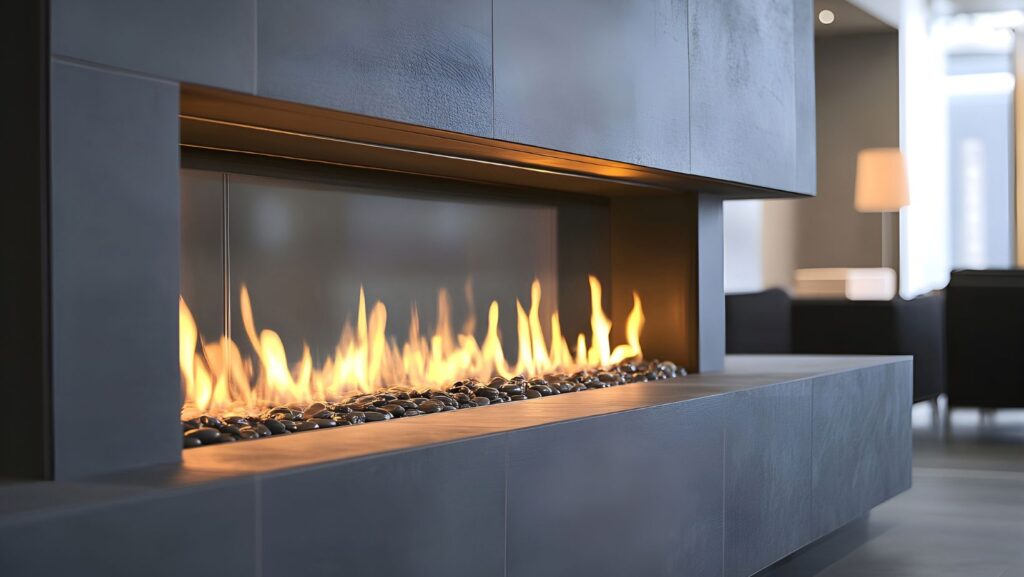
A gas fireplace can be a stunning centerpiece for your living space, providing warmth and ambiance. However, a poorly executed gas fireplace installation can lead to inefficient heating, safety hazards, or costly repairs. Understanding the most common mistakes and knowing how to correct them is key to enjoying your fireplace safely and effectively.
1. Improper Ventilation
One of the most frequent issues during gas fireplace installation is inadequate ventilation. Proper venting ensures that combustion gases are safely expelled and that the fireplace operates efficiently. Common mistakes include using the wrong type of vent, obstructed venting, or incorrect vent dimensions. These errors can cause poor flame performance, smoke buildup, or even dangerous carbon monoxide accumulation.
To fix ventilation issues, carefully follow the manufacturer’s venting instructions. Ensure that vents are clear of obstructions and properly sized for your fireplace model. In many cases, consulting a professional for vent placement guarantees optimal performance and long-term safety.
2. Incorrect Gas Line Installation
Another critical error during gas fireplace installation involves the gas line itself. A gas line that is too small, improperly routed, or incorrectly connected can cause uneven flames, pilot light problems, or gas leaks. These issues not only reduce heating efficiency but also pose serious safety risks.
Correcting gas line mistakes requires attention to proper sizing, secure connections, and compliance with local building codes. Always test gas pressure before finalizing the installation and consider hiring a licensed professional to ensure everything meets safety standards. This step is essential for a safe and reliable fireplace setup.
3. Poor Placement of Fireplace Logs or Media
Many homeowners overlook how log or media placement affects their gas fireplace installation. Incorrectly arranged logs, stones, or crystals can block burners, produce uneven flames, and even reduce heat output. While it might seem minor, this mistake directly impacts both the look and functionality of your fireplace.
The solution is to follow the manufacturer’s layout recommendations carefully. Arrange logs so flames are visually appealing and do not touch the burner ports. Proper media placement improves flame patterns, maximizes heat efficiency, and prevents potential damage to the fireplace components.
4. Ignoring Regular Maintenance
Even the best gas fireplace installation can fail if maintenance is neglected. Dust, soot buildup, and worn-out components can decrease efficiency, affect flame quality, and lead to safety hazards. Common maintenance mistakes include skipping annual inspections, failing to clean burners, and ignoring vent checks.
To avoid these problems, schedule routine maintenance for your fireplace. Clean burners and inspect components according to the manufacturer’s guidelines. Regular upkeep helps maintain consistent heating, prolongs the life of your fireplace, and reduces the risk of costly repairs in the future.
5. Overlooking Safety Precautions
Safety is a top priority with any gas fireplace installation. Overlooking precautions can result in carbon monoxide exposure, fire hazards, or gas leaks. Mistakes include placing combustible materials too close to the fireplace, neglecting carbon monoxide detectors, and failing to check shut-off valves.
Fixing these issues starts with awareness. Maintain proper clearance around the fireplace, install a carbon monoxide detector nearby, and routinely inspect valves and connections. Taking these safety measures ensures that your fireplace remains a reliable and hazard-free source of warmth.
Enjoying a Safe and Efficient Gas Fireplace
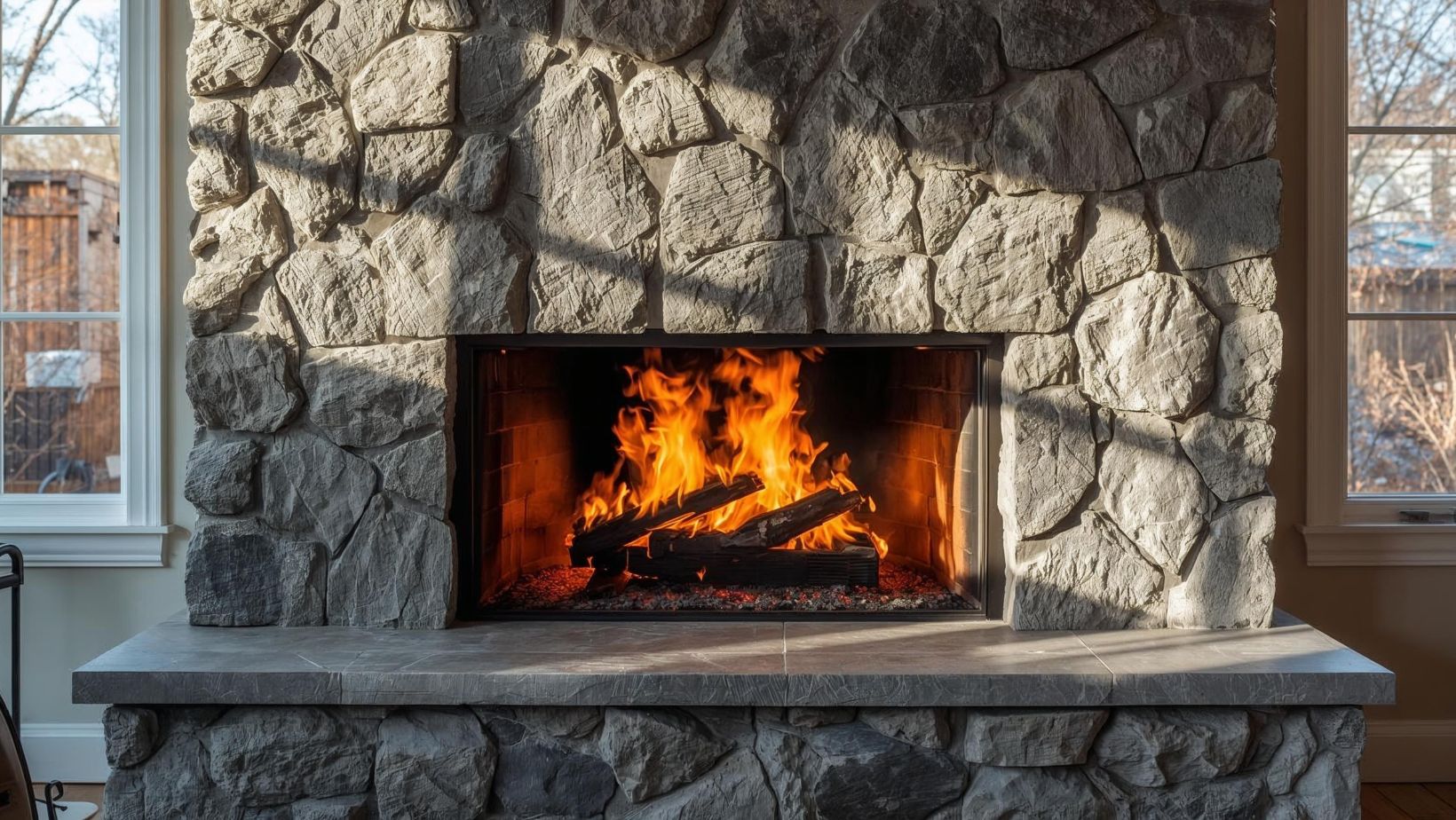
Avoiding the top 5 mistakes during gas fireplace installation is crucial for creating a safe, efficient, and attractive heating solution. Proper ventilation, correct gas line setup, careful log placement, routine maintenance, and adherence to safety standards are all essential steps. Even small adjustments, like arranging logs correctly or cleaning burners, can make a significant difference in performance and safety.
By addressing these common errors, you can enjoy the full benefits of your gas fireplace, including consistent heat output, beautiful flame patterns, and peace of mind knowing your installation is safe. Whether you are installing a fireplace for the first time or reviewing an existing setup, these tips help ensure that your gas fireplace installation is done right the first time.